Many people notice a layer of white foam floating on the surface of the first infusion when brewing tea leaves. Most consider it "impurity" or residue from excessive pesticides, often discarding this infusion. However, this is a misconception and a waste.
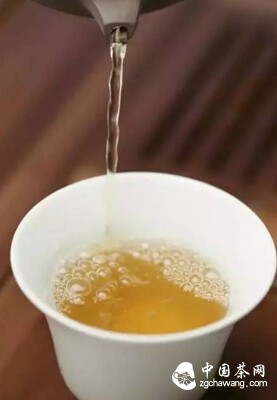
According to research, there are many reasons for foam formation in tea, and it varies with different types of tea. Overall, three main reasons are widely accepted in the industry:
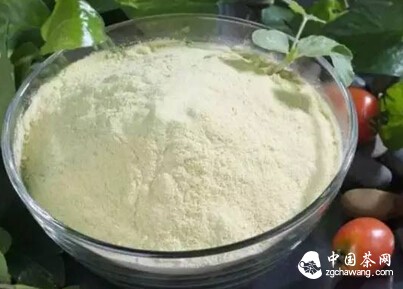
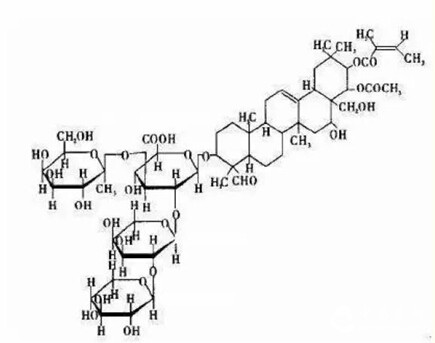
1. The role of tea saponin. Tea saponin, also known as tea glycoside, is a complex sugar glycoside compound. It has a bitter and spicy taste, is difficult to dissolve in cold water, and has a slightly acidic pH value between 5.6 and 5.7. It has strong foaming power and is unaffected by water hardness, so tea with abundant foam tends to have a richer flavor.
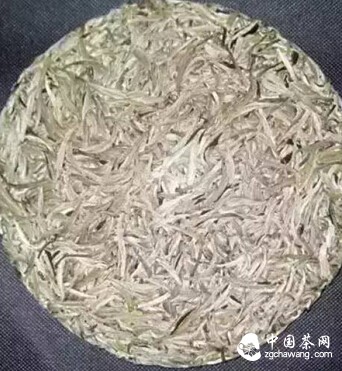
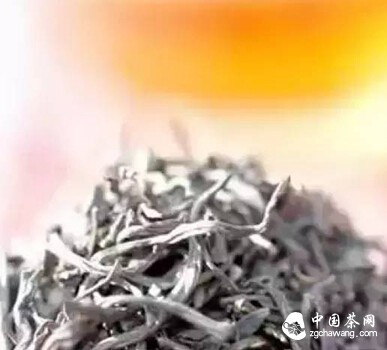
2. Tea made from hairy varieties. Teas made from hairy varieties, such as Jinggu White Tea, are prone to foam during brewing.
3. Excessive tea fragments or dust. Finely broken teas, like black broken tea, or teas containing a lot of fragments, can also produce foam when brewed. Of course, over-fermented tea processed improperly may foam excessively, but this is rare. The foam in tea is definitely not dirt, as dust cannot form foam.
Based on the above three reasons, tea saponin is the most likely cause of foam. However, it is certain that the foam formed during tea brewing has no relation to tea quality.
Tea saponin accumulates as tea leaves grow. Some factories extract it specifically to produce emulsifiers, detergents, and foaming agents. Therefore, foam caused by tea saponin is harmless to humans.
In ancient times, this tea foam was even regarded as an essence. Du Yu of the Wei and Jin dynasties wrote in a poem: "The foam forms like floating splendor, gleaming like accumulated snow, radiant as spring blossoms." Moreover, the content of tea saponin in tea is not high, and it does not affect the color, aroma, taste, or quality of the tea. Therefore, it cannot be used to judge the quality of tea.
What are the benefits of tea saponin in tea soup?
1. Antibacterial and antiviral effects
Tea saponin inhibits various fungi that cause skin diseases and E. coli. It also suppresses influenza viruses (types A and B), herpes virus, measles virus, and HIV virus.
2. Anti-inflammatory and anti-allergic effects
Tea saponin has significant anti-leakage and anti-inflammatory properties. In the early stages of inflammation, it normalizes capillary permeability and is effective against bronchospasm and edema caused by allergies. Its effects rival those of various anti-inflammatory drugs.
3. Inhibition of alcohol absorption

Tea saponin has the ability to inhibit alcohol absorption. In experiments with mice, administering tea saponin an hour before alcohol consumption reduced alcohol levels in the blood and liver. Tea saponin inhibits alcohol absorption, promotes alcohol metabolism, and protects the liver.
4. Weight loss effects
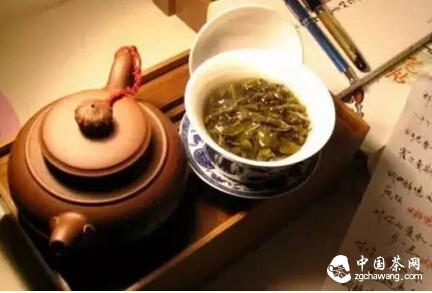
Tea saponin inhibits the activity of pancreatic lipase. By hindering pancreatic lipase, it reduces the intestinal absorption of dietary fat, thereby aiding weight loss. Tea saponin also promotes hormone secretion, regulates blood sugar, lowers cholesterol, and reduces blood pressure.
5. Promotion of gastrointestinal motility
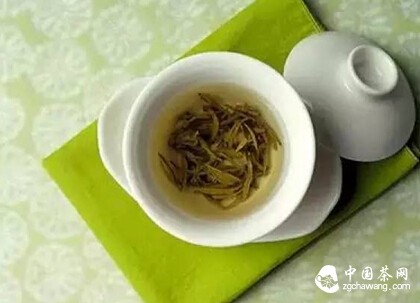
Tea saponin has the dual function of inhibiting gastric emptying and promoting gastric motility. It has remarkable effects in restoring the autonomous functioning of the gastrointestinal tract.