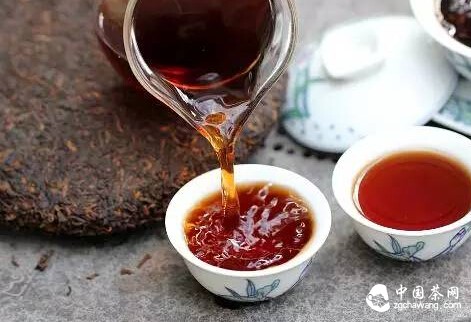
Pu-erh tea has been a hot spot for investment and collection in recent years. According to trends, the average price increase of high-end Pu-erh tea has been over 20% annually, a return that far exceeds many industries and even surpasses real estate speculation. However, many people do not understand what kind of Pu-erh tea is suitable for collection and often choose teas with no investment value.
Below, the author will introduce some common mistakes made when collecting Pu-erh tea, hoping that investors and collectors can understand how to select Pu-erh tea and avoid blind collection and investment.
Misconception 1: Blindly Pursuing "Aged" and "Antique"
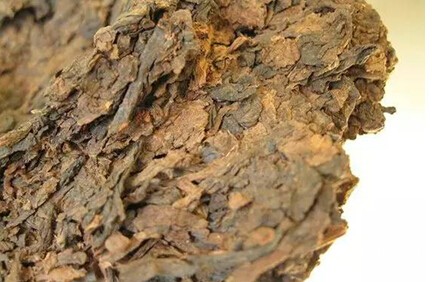
Many collectors believe that the older the year marked on the packaging and the more expensive the tea, the higher its collection value. Thus, they blindly pursue Pu-erh teas from the 1960s and 1970s. In reality, Pu-erh teas stored for 20-30 years are already rare, and those aged 40-50 years or more are exceedingly scarce.
Some so-called "aged cakes" on the market priced at thousands of yuan are actually new teas not long produced. Unscrupulous manufacturers and sellers, capitalizing on consumers' focus on vintage, intentionally make new teas look old and label them as aged teas. The cost of such teas is only a few yuan.
Misconception 2: Aging Tea Cakes Will Bring Great Profits
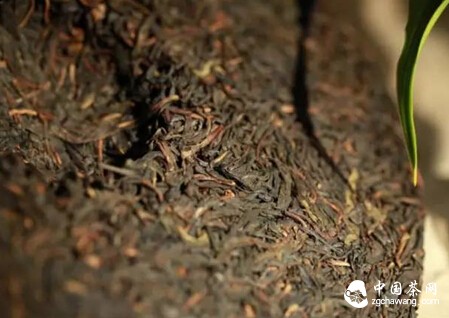
Almost everyone familiar with Pu-erh tea knows that it "becomes more fragrant with age," leading some to think they can profit greatly by aging raw tea cakes themselves. However, they do not realize that aging Pu-erh is a highly specialized technique, and it is not easy for ordinary collectors to age and store tea at home.
The aging of Pu-erh tea is influenced by factors such as time, light, temperature, air, humidity, and environment. Different storage conditions and temperatures result in significant variations in tea quality. Moreover, storing Pu-erh tea cannot be sealed; the tea must continuously contact air to oxidize. Yet, tea easily absorbs odors, and it is difficult to find a spot in a home that remains free of other smells for several years or even decades. Once the tea absorbs foreign odors, it becomes waste.
Misconception 3: Older Always Means More Valuable
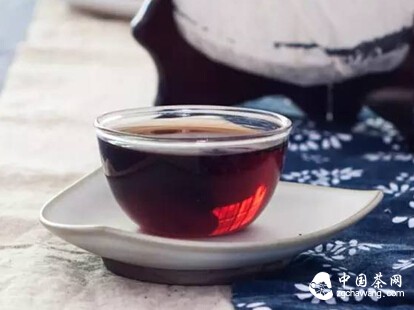
Those who have tasted truly aged tea may have a deep understanding: well-aged Pu-erh tea melts in the mouth, induces a sweet aftertaste ("spring under the tongue"), and has a deep, rich aroma with a strong sense of time. The intensity, astringency, and bitterness of new tea are gone, as are the green or yellow hues in the liquor, leaving only a translucent reddish-brown.
In the 1970s, an expert panel brewed a century-old "human head" tuocha tea from the Imperial Palace. After evaluation, they found that this aged tea only had a dark red liquor and had lost all flavor. This was because the tea had been "over-aged" due to its extreme age.
Misconception 4: Moldy Tea Cakes Are Good Tea
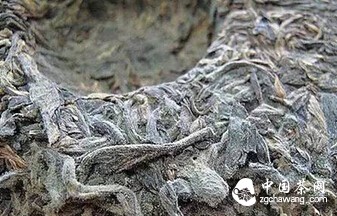
Many people interested in collecting and investing do not actually understand tea. When selecting Pu-erh, they often judge quality based on the cake's external packaging, brand, or leaf color. Some even believe that moldy tea cakes indicate good Pu-erh. This view has misled many. In fact, moldy tea is not safe for consumption and can cause significant harm to health if drunk regularly.
Misconception 5: Blindly Chasing "Mountain Tea" (Shan Tou Cha)
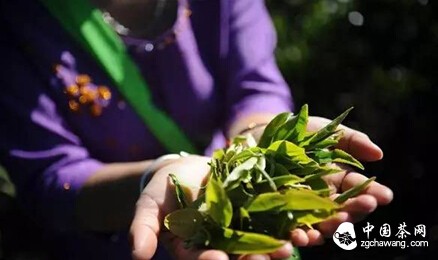
Many collectors, upon seeing famous "mountain teas," immediately assume they have collection value. However, the yield of many famous mountain teas is decreasing. To meet demand, some producers use terrace tea as the inner material and wrap it with a layer of mountain tea, selling this blend as pure mountain tea. Others directly package and sell terrace tea as famous mountain tea.
Finally, the author would like to add a few more words. There is no very reliable method to identify the year or origin mountain of Pu-erh tea. Examining the leaf appearance, liquor color, brewed leaves, or even tasting often proves ineffective. Identification relies largely on experience. As collectors drink Pu-erh tea over time and sample more varieties, they gradually learn to distinguish authenticity. Therefore, novice collectors and investors should be cautious when encountering these two situations to avoid misjudgment and unnecessary losses.