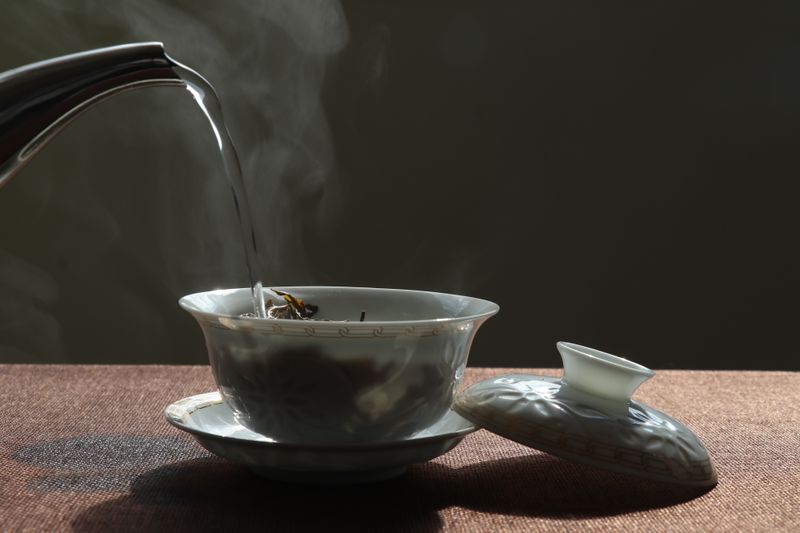
How to Store Fuding White Tea for Long-Term: Control Moisture Content Below 5%
People who have tasted aged white tea often become fond of its unique aroma, taste, and liquor color. Chen Xinghua once said, “Aged white tea grows on you over time.” Currently, white tea aged over 7 years is scarce. The best way to enjoy aged white tea sustainably is to learn to store Fuding white...
Tea News · Jun 14, 2026
Can't Brew the Charm of Pu'er Tea?
There are various reasons why many tea enthusiasts fail to brew the charm of Pu'er tea. These include the quality of the tea tree itself, such as young trees or those grown in nutrient-deficient soil; excessive moisture during the rainy season, which dilutes the tea's quality; and modern processing...
Tea News · Jun 14, 2026
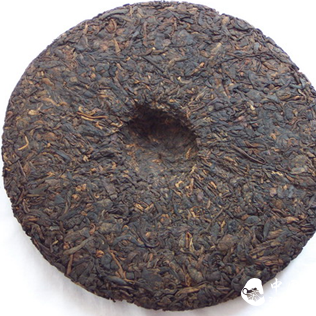
Several Storage Methods for Pu'er Tea Cakes
This article introduces several key points for storing Pu'er tea cakes: raw and ripe cakes should be stored separately; the storage location should be on the ground floor to allow natural air contact; avoid sunlight exposure; keep the original bamboo leaf wrapping for tea cakes; and choose ceramic o...
Tea News · Jun 12, 2026
Middle-aged and elderly people who regularly drink oolong tea may improve hearing
A study from Taiwan found that middle-aged and elderly people who regularly drink oolong tea may help maintain hearing. The research involved 265 participants over 55 years old. After adjusting for factors such as age, gender, and lifestyle habits, the oolong tea group showed significantly better ab...
Tea News · Jun 09, 2026
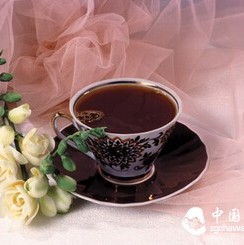
Why is dark tea being sought after?
Dark tea is increasingly loved by many for its unique style. People enjoy drinking dark tea not only for its specific health benefits but also for its gentle nature that does not harm the stomach, its scientifically proven health properties such as anti-cancer effects and weight loss, its ease of br...
Tea News · Jun 04, 2026
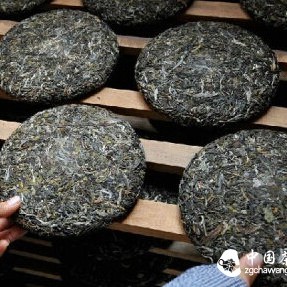
Want to Store Pu'er Tea Well? You Must Do This!
Pu'er tea storage requires careful separation: raw and ripe tea cakes should be stored separately, and loose tea follows the same rule. Choose a naturally ventilated location away from sunlight. For seven-cake bamboo-wrapped stacks, avoid plastic wrapping; keep the original bamboo leaves. Use cerami...
Tea News · May 26, 2026
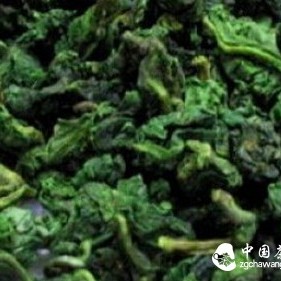
How long is the shelf life of Tieguanyin?
There is no fixed shelf life for Tieguanyin. Commercially available lightly fermented Tieguanyin is best consumed within one to two months, and no more than three months at room temperature. Vacuum-sealed and stored at 3–5°C, it can last up to two years; the lower the temperature, the longer it keep...
Tea News · May 15, 2026
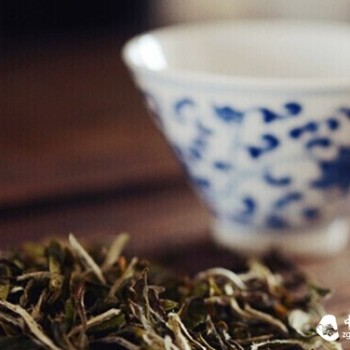
Ten Things You Must Know About White Tea
White tea is a minimally processed tea that retains its natural character, requiring only sunlight for processing. It offers numerous health benefits, including reducing internal heat, aiding in managing blood pressure, blood sugar, and cholesterol, and being rich in antioxidants and amino acids. It...
Tea News · May 02, 2026
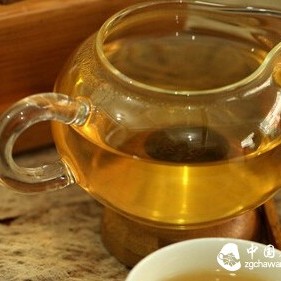
The Aging Method of Pu-erh Tea
The aging of ripe Pu-erh tea primarily relies on the action of fungi. During spring and summer, white mold develops, aiding the fermentation of the tea leaves, while in the damp autumn and winter, yellow mold appears, accelerating the aging process—a normal phenomenon. When storing tea in a canister...
Tea News · Mar 24, 2026
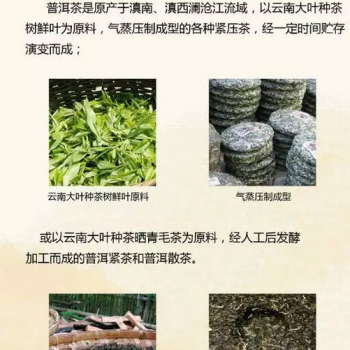
Thoroughly Understand Pu-erh Tea! Save and Read!
This comprehensive guide provides an in-depth look at Pu-erh tea, a unique fermented tea originating from China's Yunnan province. It covers essential aspects such as the tea's production process, including the differences between raw (sheng and ripe (shou Pu-erh, the significance of fermentation...
Tea News · Feb 12, 2026