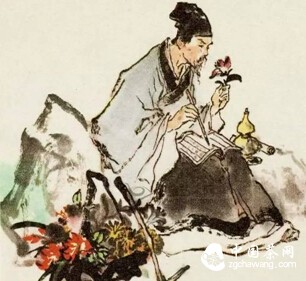
The so-called heat is a heat manifestation. The heat in damp-heat coexists with dampness, either due to the combination of heat and dampness invading the body during hot and humid summer and autumn seasons, or because dampness remains undispelled and transforms into heat, or due to a "yang-heat constitution" causing dampness to "transform into heat following yang." Therefore, the simultaneous presence of dampness and heat is very common.
People with a damp-heat constitution are prone to poor excretion, such as sticky stools, yellow urine, jaundice, etc. The regulation of a damp-heat constitution focuses on clearing heat and dispelling dampness. Li Shizhen's "Compendium of Materia Medica" states: "Tea is bitter and cold... most effective in reducing fire. Fire is the root of all diseases; when fire is reduced, the upper body becomes clear." Zhao Xuemin's "Supplement to Compendium of Materia Medica" from the Qing Dynasty records on page 26, volume 6, about "dark tea": "Produced in Hunan from coarse large leaves, it must be boiled in water or steeped with boiling water in a pot, then warmed to release its flavor. Its color is dark black, with a bitter taste tinged with sweetness. Consuming it refreshes the mind and harmonizes the stomach. It is warm in nature, bitter with a slight sweetness, and helps to relieve diaphragm qi, dissolve stagnation, and dispel cold." Drinking dark tea can also regulate body temperature. Tests show that after drinking a cup of hot dark tea, body temperature can drop by 1–2°C within minutes.
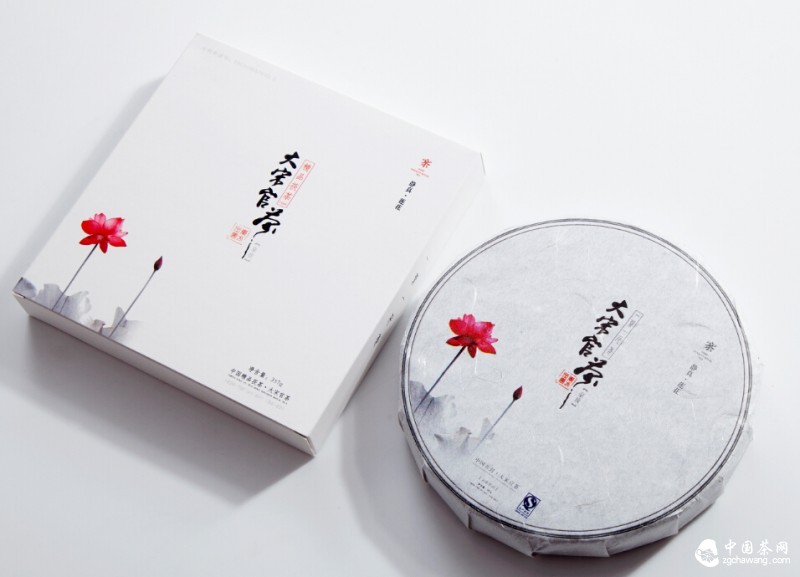
Dark tea is high in cellulose, which can reduce the reabsorption of bile acids and alter the speed of food digestion and the secretion of digestive fluids. As a fully fermented tea, dark tea is rich in protein, tea polysaccharides, and various vitamins. In traditional Chinese medicine, it is described as sweet and bitter, with effects such as harmonizing the stomach, promoting fluid production, and awakening the spleen to dispel dampness. It can protect the gastrointestinal mucosa and improve intestinal function. Therefore, it has positive preventive and therapeutic effects on sudden watery diarrhea, chronic diarrhea, and diarrhea due to spleen and stomach weakness.
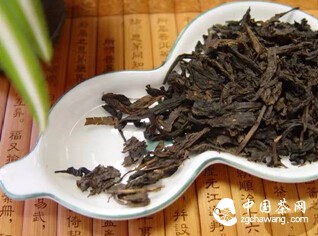
As autumn and winter approach, holding a cup of dark tea is a delightful experience. Its orange-red, translucent color gives a warm feeling, and it tastes sweet. It can be enjoyed with milk or sugar, providing warmth to the abdomen and aiding digestion. It helps dissolve stagnation and is beneficial for the body.