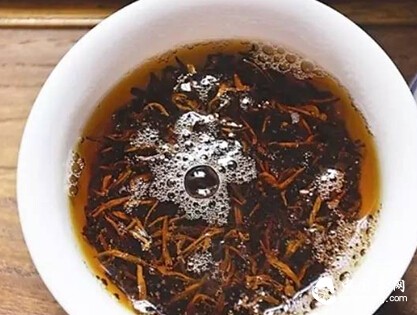
When we brew tea, due to the agitation of water, foam forms on the surface of the tea soup. Many people consider it as non-beneficial substance and remove it, so what exactly is it? It is - tea saponin. Some people compare it to the scum produced when food is boiled and "scrape" it off when brewing tea, which is actually a misunderstanding and waste.
Tea saponin is a type of glycoside compound with complex structure. Tea saponin tastes bitter and pungent, difficult to dissolve in cold water, with a pH value between 5.6-5.7 showing weak acidity. It has strong foaming power and is not affected by water hardness, so generally tea with abundant foam has a relatively strong flavor.
Glycoside substances like tea saponin are widely present in the plant kingdom, such as: ginsenosides in ginseng are antioxidants; allyl disulfide compounds in garlic and onions also have effects like improving human immunity and anti-cancer properties.
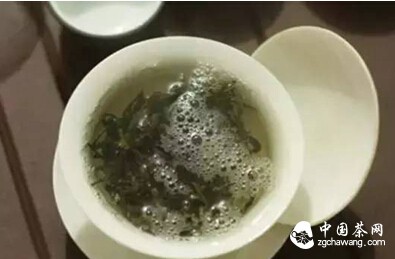
What are the effects of tea saponin contained in tea soup?
1. Tea saponin has good anti-leakage and anti-inflammatory effects, can be used to regulate blood sugar, lower cholesterol, prevent cardiovascular and cerebrovascular diseases, relieve phlegm and cough, etc.
2. Tea saponin is not only a good surfactant, but also has strong antibacterial activity, especially good inhibitory effect against skin pathogenic bacteria.
3. Tea saponin also has the dual functions of inhibiting gastric emptying and promoting gastric movement, having magical effects in restoring the autonomous working ability of the gastrointestinal tract.