Tea tasting can be divided into four steps or series:
The most critical part of tasting is brewing and appreciating the tea, which involves first steeping the tea leaves and then evaluating them. The general procedure for appreciation is: Appreciating the Liquor Color — Smelling the Aroma — Tasting the Flavor — Evaluating the Brewed Leaves.
[Appreciating the Liquor Color]
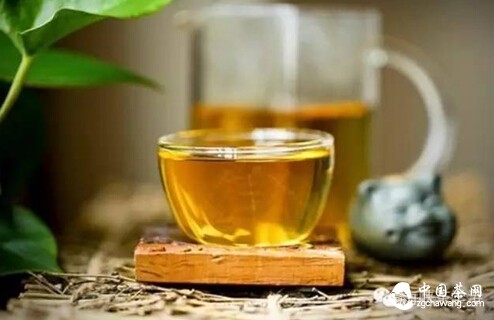
Because the tea polyphenols in the tea soup oxidize quickly upon contact with air, causing the tea soup to change color easily, it is important to appreciate the liquor color promptly. This primarily involves discerning the depth of color, whether it is normal, the brightness or dullness of the tea soup, and its clarity or turbidity from aspects such as hue, brightness, and clarity.
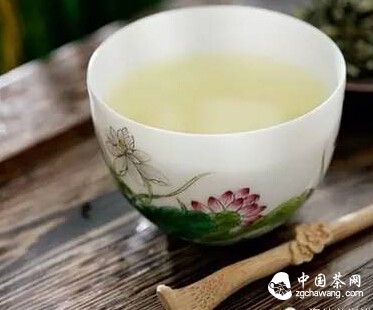
Commonly used tea tasting terms for tea liquor color include:
Green Brilliance: Clear, bright, and vivid; light green and fresh.
Yellowish-Green: Green with a hint of yellow, similar to the color of a semi-ripe orange, hence also called orange-green.
Greenish-Yellow: Soup color that is green with more yellow.
Light Yellow: Soup color that is yellow and light, also called pale yellow.
Orange-Yellow: Soup color that is yellow with a slight red hue, resembling orange or tangerine color.
Orange: Soup color that is red with a yellow tone, resembling orange-red.
Deep Yellow: Dark yellow, soup is yellow and deep without luster.
Bluish-Dull: Soup color tinged with blue, lacking luster.
Turbid-Dull: Soup color is turbid and dark, synonymous with "cloudy"; has many sediments, murky and unclear, difficult to see the bottom of the bowl.
Red Soup: Commonly seen in aged teas or teas that have been over-fired during roasting; the soup color is light red or dark red.
Clear Yellow: Tea soup is yellow and clear.
Golden Yellow: Tea soup is clear, primarily yellow with an orange hue.
Red Brilliance: Soup color resembling amber with a golden rim, characteristic of high-grade black tea.
Red Bright, Red Luminous: Soup color not very strong but red, transparent, and光彩 (bright). Called "Red Bright"; transparent but slightly less光彩 is called "Red Luminous".
Deep Red, Deep and Strong: Red and deep, lacking vivid brightness.
Pale Red: Soup color red and light/pale.
Deep Dull: Soup color deep and dark, slightly blackish, also called Red Dull. Often seen in black teas that are over-fermented or stored for too long, indicating aged quality.
Red Turbid: Regardless of depth, the soup has many sediments and is turbid, unable to see the bottom clearly.
Creaming Down/Cold Cloudiness: When concentrated black tea soup cools, a light brown or orange milky turbidity appears. This is called creaming down or cold cloudiness. This phenomenon occurs in good quality black tea.
Golden Milky: When milk is added to broken black tea soup, the color becomes golden yellow, bright, rich, and full. This is a sign of strong liquor quality and good overall quality.
Strong and Bright: Tea soup is strong and transparent. Although not as bright as "strong and brilliant," it still has some shine.
Fresh and Bright: Fresh, bright, with a slight luster. Not very strong, but not weak either.
Clear, Bright: Tea soup clean and transparent is called "bright." Bright and with luster, can see the bottom at a glance, no sediment or suspended matter, is called "clear."
Clear and Neat: Substances in the soup are less abundant, but still clear and bright.
Turbid: Tea soup has a large amount of suspended matter, poor transparency, difficult to see the bowl bottom.
Dull: Soup color not bright, but without suspended matter; slightly different from turbid.
