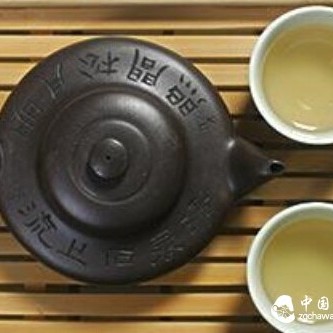
How to Drink Oolong Tea the “Right Way”?
Oolong tea, also known as green tea, is a semi-fermented tea between green tea (unfermented and black tea (fully fermented . It combines the fresh fragrance of green tea with the sweet taste of black tea. The brewing conditions include quality tea, water, and teaware, with water being pure or miner...
Tea News · Jun 07, 2026
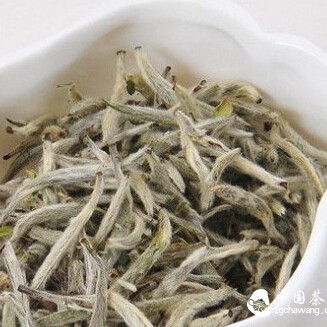
How Many Types of Tea Aromas Are There? Do You Know?
The aroma of tea is complex and influenced by variety, region, cultivation, and processing. According to tea expert Shi Zhaopeng, tea aromas can be classified into nine types: downy, tender, floral, fruity, fresh, sweet, roasted, aged, and smoky. Each type is associated with specific teas and produc...
Tea News · May 26, 2026
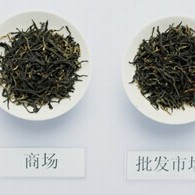
First Review: Ziyue Jin Junmei Black Tea
Jin Junmei black tea is the originator of black tea and one of the most popular products in recent years. An industry veteran with over ten years of experience evaluates three similarly priced Jin Junmei samples from different channels, concluding that Ziyue Jin Junmei outperforms its competitors. T...
Tea News · May 22, 2026
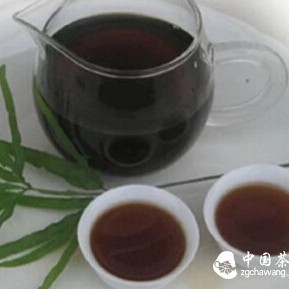
Five Tips for Identifying High-Quality Dark Tea
Dark tea has antioxidant, anticancer, and blood sugar-lowering effects. But do you know how to select high-quality dark tea? There are five key techniques for identifying dark tea: observing its appearance, examining the tea liquor, smelling its aroma, tasting its flavor, and checking the brewed lea...
Tea News · May 19, 2026
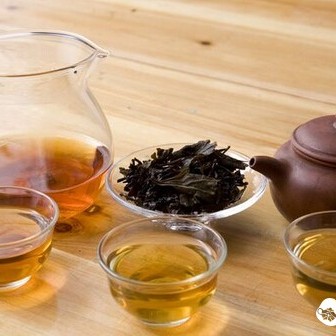
How to Brew Dark Tea in Winter?
Different teas have different benefits: green tea provides vitamins, black tea aids digestion, oolong tea helps remove grease, and dark tea is essential in northwestern China. Rich in amino acids, dark tea helps lower blood sugar, blood lipids, and blood pressure, and has antioxidant and anti-aging...
Tea News · May 12, 2026
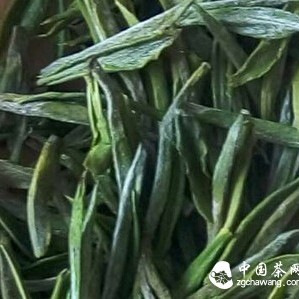
How to Identify the Quality of Anji White Tea with Pictures and Text Analysis?
This article provides a detailed guide on identifying the quality of Anji White Tea through a comparative tasting of five samples. The process includes four main steps: weighing and sampling the tea, evaluating the dry leaves' appearance (assessing color, strip shape, integrity, and cleanliness , br...
Tea News · Feb 27, 2026
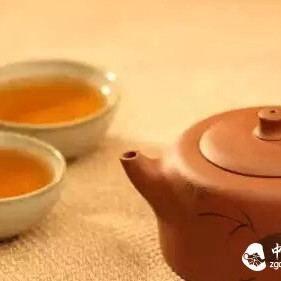
What Kind of Tea Can Be Considered Good Tea?
Good tea is defined by a combination of objective qualities and subjective enjoyment. Key objective standards include a clear, bright liquor regardless of its color, indicating proper processing and storage. While bitterness and astringency are inherent to tea, they should dissipate quickly on the p...
Tea News · Feb 17, 2026
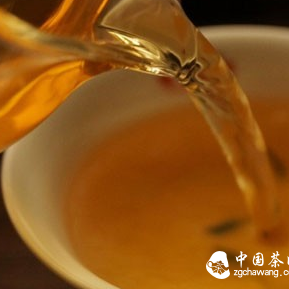
How to Experience the Texture of Tea Soup When Drinking Pu-erh Tea
The texture of tea soup is a crucial sensation in the process of drinking Pu-erh tea. For first-time drinkers, this aspect is often overlooked, primarily because they may be accustomed to other tea types that focus on the fresh aroma of the leaves or the surface fragrance enhanced by processing tech...
Tea News · Feb 14, 2026
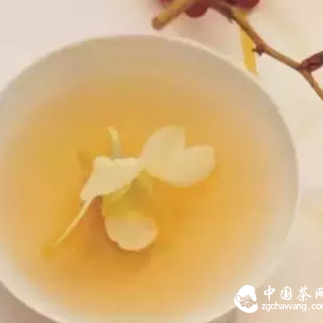
The Connotation of Tea Soup Color
The most crucial step in tea appreciation is brewing and tasting, which involves steeping the tea leaves and then evaluating them. The general procedure includes: appreciating the soup color, smelling the aroma, tasting the flavor, and examining the brewed leaves. This article focuses on 'appreciati...
Tea News · Feb 03, 2026
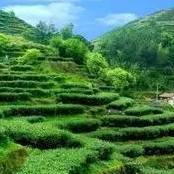
The Trilogy of Wuyi Rock Tea
Wuyi Rock Tea is one of the most complex and labor-intensive tea varieties, with its production process heavily influenced by human factors. Known for its 'beggar's appearance and golden value,' it offers a unique rocky aroma and floral fragrance, delivering a rich, lingering aftertaste. The art of...
Tea News · Jan 19, 2026