
The Water Path is a very important concept in tasting Pu-erh tea. 'Fine Water Path' means the tea soup is clear and sweet, yet thin; 'Good Water Path' should have no dry sensation, feel moist between the tongue and throat, and produce good saliva return and sweet aftertaste.
Opinions and understandings of the Water Path vary. Some even believe it is purely a Cantonese colloquialism. 'Water Path' refers to the soup sensation, meaning the characteristics or style of the tea water. 'Fine' is opposite to 'coarse.' In Cantonese, it particularly means delicate and exquisite, extended as a tea evaluation term meaning 'sweet, smooth, rich, moist, and not noticeably coarse or astringent.'
Among the above statements, some are correct, some are vague, and some are wrong. So what exactly is the Water Path? How should we understand and describe it? Let's explore together below.
Describing the Water Path
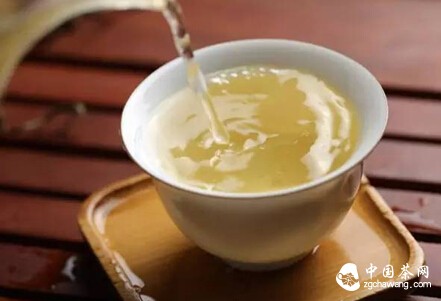
The Water Path is a common term used in folk tea tasting. There is no official definition standard, but in some tea evaluation criteria, terms like fine, detailed, coarse, relatively coarse are generally used to describe the Water Path. The Water Path is a concept related to the water nature and should be distinguished from soup sensation; they cannot be conflated.
The 'Coarse' and 'Fine' of the Water Path
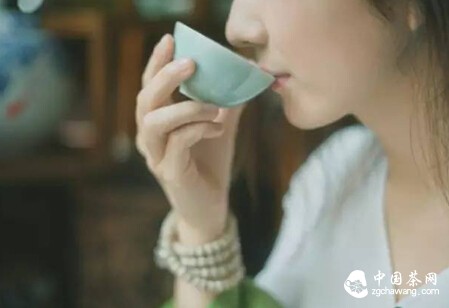
The Water Path of Pu-erh tea refers to the sensation of the tea soup flowing through the mouth and throat during drinking. Unlike soup sensation, the Water Path refers to a dynamic feeling, typically distinguished as coarse or fine. Compare dragging silk satin and coarse hemp over one's skin; they produce different sensations. Analogizing this feeling to the tea soup flowing through the mouth and throat, the former is fine, the latter is coarse.
The coarseness or fineness of the Water Path is related not only to the production process but also to the tenderness of the tea leaves and the tea varietal.
Is the Water Path Related to Thickness, Thinness, and Sweet Aftertaste?

The thickness or thinness of Pu-erh tea affects the Water Path, but the description of these concepts belongs to the category of soup sensation in Pu-erh tea tasting and is generally not used to describe the feeling of the Water Path.
The sweet aftertaste (hui gan) of Pu-erh tea is not directly related to the Water Path; it belongs to the category of aftertaste and is generally not used to describe the feeling of the Water Path.
Distinguishing Related Confusing Concepts
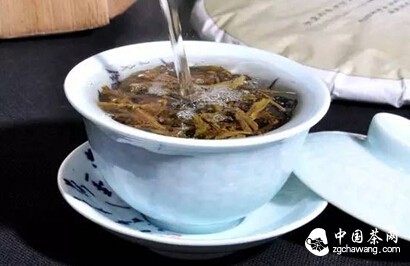
1. Distinguishing 'Water is very mixed (Za)': 'Mixed' is categorized under 'smell.' Usually, tea that feels 'mixed' is due to its aroma, and tea with a mixed aroma often has a Water Path that feels relatively coarse. Therefore, people are accustomed to saying 'coarse and mixed.' Actually, to subdivide further, 'coarse' belongs to the Water Path, while 'mixed' should belong to smell.
2. 'Water Path is持久绵长 (long-lasting and enduring)': 'Long-lasting' and 'enduring' belong to the category of aftertaste and are generally not used to describe the feeling of the Water Path.
3. 'Water Path is宽广 (broad and wide)': Personally, I believe 'broad' is a concept related to harmony and is generally not used to describe the feeling of the Water Path.
4. 'Water Path is饱足浑厚 (full, sufficient, and robust)': 'Full, sufficient, and robust' generally refers to concepts related to the thickness of the soup sensation. It is generally not used to describe the feeling of the Water Path. It can be changed to 'tea soup is full, sufficient, and robust' to describe the thickness of the tea soup.