Yunnan Pu-erh tea has a reddish-brown soup color, mellow taste, and a prominent aged aroma, with the quality characteristic of improving over time.
The Three 'Qings' of Pu-erh tea refer to the three processing methods in Pu-erh tea production: Sun-drying (Shai Qing), Oven-drying (Hong Qing), and Pan-firing (Chao Qing). These three different processing techniques result in different tea qualities and styles for Pu-erh tea.
Sun-dried green tea (Shai Qing Mao Cha) often uses pan-firing for kill-green (Sha Qing) at lower temperatures, with leaf temperatures mostly below 80°C. This deactivates less polyphenol oxidase, does not completely remove low-boiling-point aromatic substances, and the kill-green leaves retain a grassy scent, indicating a relatively light kill-green level.
Oven-dried (Hong Qing) and Pan-fired (Chao Qing) green tea: Pan-firing, drum roasting, steaming, or hot air kill-green can be used. The kill-green temperature is high, with leaf temperatures mostly above 90°C. Polyphenol oxidase is thoroughly destroyed, low-boiling-point aromatic substances disappear, the kill-green leaves emit a clear fragrance without any grassy odor, indicating a relatively thorough kill-green level. Sun-dried green tea has a lower kill-green temperature, preserving enzyme activity and a grassy scent. This is beneficial for the later 'fermentation' of Pu-erh tea. Oven-drying and Pan-firing have high kill-green temperatures, completely destroying enzyme activity, which is not conducive to the later 'fermentation' of Pu-erh tea.
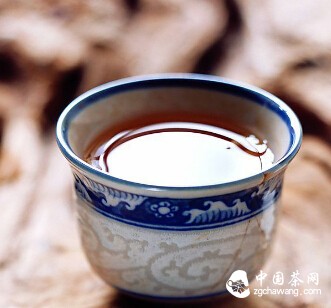
For Sun-dried Pu-erh raw material, astringency and bitterness are preferred; the yellowish soup color and any harsh or miscellaneous tastes will diminish over time. The soup color and taste of that year's spring buds, spring tips, and spring jade are easily identifiable by consumers; Oven-dried and Pan-fired tea has a refreshing taste, emerald green soup color, with a slight glutinous rice or chestnut aroma, but when aged, it becomes bitter without developing sweetness.
After many years of storage, Sun-dried leaves turn brownish-red, while Oven-dried and Pan-fired leaves turn black. After brewing, the brewed leaves (tea base) of Sun-dried tea appear slightly wrinkled and dark brown, whereas the tea base of Oven-dried and Pan-fired teas is relatively smooth and bright, with a leaf bottom color very close to that of black tea.
Oven-drying and Pan-firing share a commonality during oxidation and fermentation: they turn bitter when exposed to moisture, dampness, or water. Oven-dried and Pan-fired teas are antagonistic towards dampness, while Sun-dried tea is friendly with it. Both naturally aged raw Pu-erh and artificially fermented ripe Pu-erh have connections with heat and humidity. Therefore, besides observing the leaf bottom, comparative tasting is very important for distinguishing whether a tea contains non-Pu-erh Oven-dried or Pan-fired green tea.