"Tea" has become one of the most popular beverages today. It not only quenches thirst and relieves heat but also aids digestion, reduces inflammation, improves vision, calms the mind, and promotes saliva production. Some tea enthusiasts are so devoted that they refuse to waste even a single leaf, considering tea tasting a spiritual pursuit. However, it's common to accidentally brew too much tea or forget to finish it, resulting in "overnight tea."
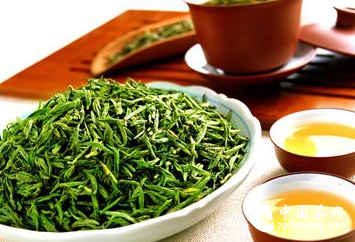
How much do you know about "overnight tea"? Can it be consumed? What happens if you drink it? A series of questions might leave you confused. Don't worry—today, we'll delve into the facts about overnight tea.
Can Overnight Tea Be Drunk?
Overnight tea refers to tea that has been left standing for too long. During this time, most vitamins are lost, and proteins and sugars in the tea become breeding grounds for harmful microorganisms. Thus, it is generally advised not to consume overnight tea.
Tea typically stays in the human body for about three hours, while strong tea remains even longer. This can lead to an accumulation of theophylline, which may disrupt nervous system functions. When tea sits for extended periods, it not only loses nutrients like vitamins but also risks spoilage. The tannic acid in tea can oxidize into highly irritating compounds that harm the spleen and stomach, particularly in summer, potentially causing gastrointestinal inflammation.
Research shows that the primary change in overnight tea is the further oxidation of tea polyphenols, deepening the tea's color. A clear, green tea may turn yellow when left standing, especially in warmer temperatures. This occurs due to the formation of yellowish-brown oxidation products like theaflavins, thearubigins, and theabrownins. These compounds are non-toxic and do not pose health risks.
Risks of Overnight Tea
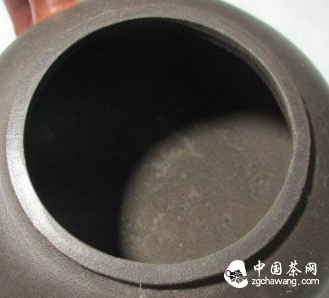
Tea contains tea polyphenols, which easily oxidize in air and water to form brown, gel-like substances known as tea scale. Tea scale contains various metals such as cadmium, lead, iron, arsenic, and mercury. The longer tea is exposed to air—such as overnight tea—the more tea polyphenols oxidize into tea scale.
When tea scale enters the body, it can bind with proteins, fats, and vitamins from food, forming sediments that hinder nutrient absorption and digestion. These oxidized substances may also cause inflammation, ulcers, or necrosis in organs like the kidneys, liver, and stomach. Therefore, it is best to avoid drinking overnight tea and regularly clean tea utensils.
Of course, these risks are relatively minor. Overall, tea drinking is beneficial to health, and overnight tea also has its merits! The term "overnight tea" generally refers to strongly brewed teas like Pu'er, Longjing, or Dahongpao. Doctors recommend avoiding strongly brewed overnight tea and rinsing tea leaves twice with hot water before brewing to remove artificial contaminants from harvesting and transportation.
For many younger people who prefer mild herbal teas like chrysanthemum, jasmine, or goji berry, drinking these overnight may not only be harmless but could even offer health benefits.
Health Benefits of Overnight Tea
Anti-Cancer and Antioxidant Properties
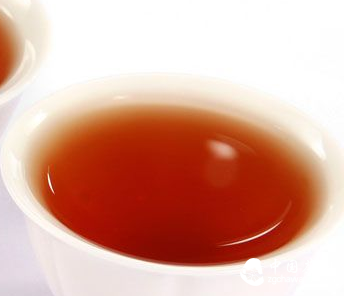
When tea sits for a long time, it turns reddish-brown due to the oxidation of tea polyphenols into tea pigments. Studies indicate that both tea polyphenols and tea pigments have strong anti-cancer and antioxidant effects. Although the vitamin C content in overnight tea decreases significantly, it still retains disease-fighting properties.
Hemostatic Effects
Overnight tea is rich in acidic compounds that can help stop capillary bleeding. Conditions like oral inflammation, tongue sores, eczema, or gum bleeding can be alleviated by rinsing the mouth with overnight tea. It can also be used to wash skin wounds or pustules.
Relieves Itching and Promotes Hair Growth
Washing hair or skin with warm overnight tea can quickly relieve itching due to its fluoride content and prevent eczema. Using overnight tea as a hair rinse may also promote hair growth and reduce dandruff. For those with sparse eyebrows, brushing them daily with overnight tea can gradually make them thicker and shinier.
Dental Care
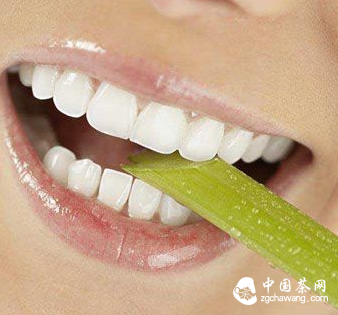
Fluoride in tea combines with tooth enamel to enhance resistance to acidic substances and reduce cavities. It also helps eliminate dental plaque. Rinsing the mouth with tea two to three minutes after meals is beneficial. Additionally, tea contains aromatic essential oils that can freshen breath. Rinsing with overnight tea in the morning or after meals can effectively combat bad breath.
Sunburn Relief
If skin is sunburned, gently applying overnight tea with a towel can help. Tannic acid has astringent properties that soothe the skin, and flavonoids in tea provide anti-radiation effects.
Conclusion: Overnight tea deserves our attention, whether for its benefits or drawbacks. Life's details are everywhere, and our health is constantly at risk. After reading this article, you should have a deeper understanding of tea!