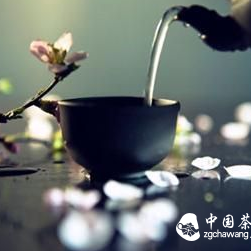
After Drinking This Cup of Tea, Enjoy This Elegance!
The author recalls a childhood habit of drinking water in the morning, which later evolved into a habit of drinking tea. He enjoys all kinds of tea, especially overnight tea, which he finds cool and fragrant. He compares overnight tea to a kind of reserved and introverted beauty, similar to Xue Baoc...
Tea News · Jun 26, 2026
Never Drink Tea Again, I'm Serious!
This article humorously lists various "reasons" not to drink tea, such as how it makes other beverages seem inferior, helps with weight control, leads to collecting teaware, fosters appreciation for refined elegance, encourages face-to-face communication over phones, inspires travel to tea-culture d...
Tea News · Jun 21, 2026
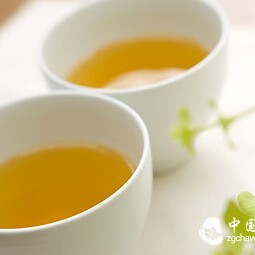
Cold Facts About Tea You Don't Know
Tea is packed with health benefits backed by studies: it may reduce cancer risk, lower cardiovascular disease rates, and help with diabetes. Antioxidants in tea are stronger than vitamins C and E. Happiness from drinking tea comes from natural amino acids that boost dopamine. Surprising facts includ...
Tea News · Jun 20, 2026
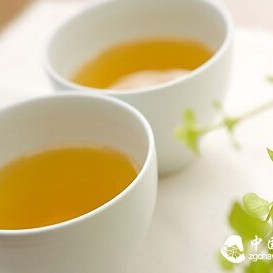
Do You Really Know How to Drink Tea? Let Me Tell You
Do you really know how to drink tea? Nowadays, more and more people are enjoying tea, but how can you drink tea in the healthiest way? How can you achieve good health benefits through tea drinking? In fact, there are many things to pay attention to when drinking tea. First, you need to consider your...
Tea News · Jun 19, 2026
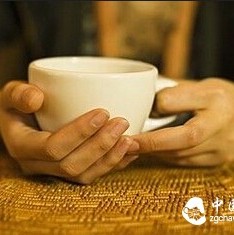
People Truly Cannot Go a Day Without Tea
This article gathers various traditional sayings and proverbs about tea, covering topics such as the health benefits of drinking tea, the best seasons and methods for picking and brewing tea, and the cultural importance of tea in daily life. It emphasizes that tea is not only a beverage but also a s...
Tea News · Jun 05, 2026
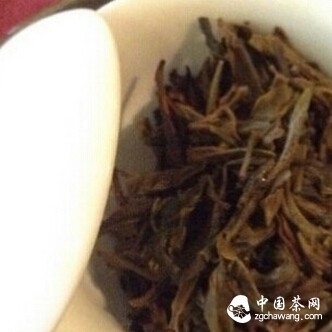
Smart Tips for Storing Tea Leaves
Due to the strong adsorption and easy absorption of odors in tea leaves, and because the aroma components of tea are mostly formed through processing, they are relatively unstable and prone to natural evaporation or oxidative deterioration. Therefore, it is recommended that consumers use several met...
Tea News · May 31, 2026

Not Everyone Knows the Correct Way to Drink Tea!
Drinking tea is a long-standing tradition in China, but not everyone knows the correct way to do it. The complete presentation of tea ceremony procedures is even rarer. Tea ceremony is a spiritual treasure left by our ancestors. By promoting it, we are doing something beautiful. The thirteen steps o...
Tea News · May 17, 2026
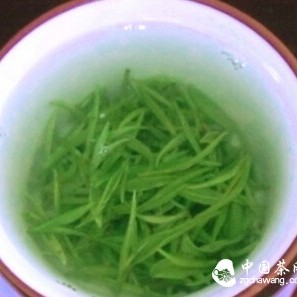
Never Use Your Hands to Pick Up Tea Leaves Directly
When serving tea at home, never pick up tea leaves with your hands, as this can damage the tea's dryness and introduce moisture and bacteria, accelerating spoilage. In tea ceremony tradition, dedicated tea spoons made of stainless steel, wood, or bamboo are recommended. After use, store the spoon in...
Tea News · May 17, 2026
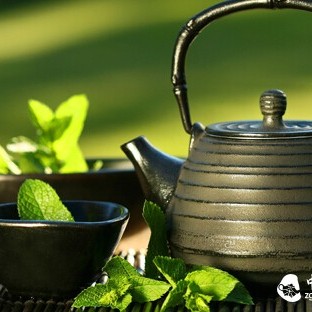
Do Not Discard Tea Leaves After Drinking Tea
After drinking tea, many tea enthusiasts habitually discard the tea leaves, but they have many uses. Green tea can deeply cleanse the skin, softening the cuticle and whitening the complexion. Tea leaves can help remove dark circles caused by lack of sleep or eye strain, and eye compresses with used...
Tea News · May 15, 2026
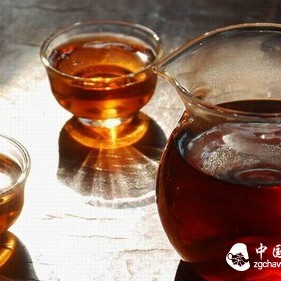
These habits cannot be had by people who often drink tea
People who often drink tea can effectively prevent elevated cholesterol levels and eliminate fatigue. However, many tea lovers share certain common habits. The following introduces what those habits are. Newly picked tea leaves should not be brewed immediately, as they contain substances that irrita...
Tea News · May 14, 2026