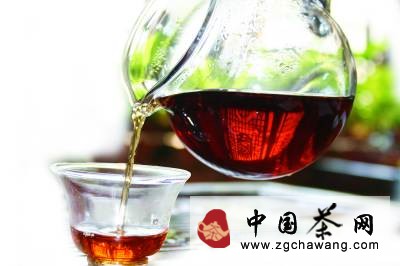
Pu-erh tea, known for warming the stomach and body, is a popular winter product and a unique tea drinkable year-round. Dubbed the 'drinkable antique,' Pu-erh has its own distinct brewing methods. Different teas correspond to various drinking styles, and Pu-erh offers more than one brewing technique. Today, we detail seven brewing methods for Pu-erh tea.
1. Gaiwan Brewing
[Essential Tools] Tea tray, Gaiwan, fair cup, tasting cups, filter, kettle.
[Suitable Teas] All types of Pu-erh. Widely applicable for testing and tasting.
[Occasions] Versatile—tea shops, tea art houses, performances, home, or office.
[Steps] 1. Warm cups: Rinse utensils with hot water for hygiene and heating. 2. Add tea: Place 5g tea in a 100cc Gaiwan. Note: 'Oolong fears lightness, Pu-erh fears strength.' 3. Rinse tea: Pour hot water to awaken leaves; discard rinse. Control water speed and angle to avoid cloudiness. 4. Brew: Adjust steeping time—too short weakens flavor, too long over-concentrates. 5. Serve: Share tea via filter; fill cups ≤70% full, following 'full wine, half tea' etiquette. 6. Sip: Drink slowly in small sips; skim the surface if too hot.
2. Small Teapot Brewing
[Essential Tools] Tea tray, small teapot, fair cup, tasting cups, filter, kettle.
[Suitable Teas] Most teas except very young raw Pu-erh.
[Occasions] All occasions.
[Steps] Same as Gaiwan brewing.
3. Small Teapot Steeping
[Essential Tools] Tea tray, small teapot, large fair cup, tasting cups, filter, kettle.
[Suitable Teas] Tender buds—e.g., golden buds, imperial loose tea in ripe Pu-erh, or whole-bud raw tea.
[Occasions] Tea shops, tea houses, home.
[Steps] Refer to Gaiwan method, but steep ≥1 minute. Combine multiple infusions in a fair cup before serving.
4. Large Teapot Steeping
[Essential Tools] Tea tray, large teapot, large fair cup, tasting cups, filter, kettle.
[Suitable Teas] Coarse ripe Pu-erh, aged raw/ripe tea.
[Occasions] Tasting settings; not for tea shops or performances.
[Steps] Use a 350cc+ teapot with 5–7g tea; follow Gaiwan steps.
[Tips] Do not over-leaf. Adjust steeping time based on tea nature and group size.
5. Iron Kettle Boiling
[Essential Tools] Iron kettle (with filter), large fair cup, tasting cups, filter, stove/induction cooker.
[Suitable Teas] Coarse ripe Pu-erh or aged tea.
[Occasions] Home, tea shops, tea houses.
[Steps] Three approaches: brew then boil; boil with hot water; boil with cold water. Use 5–7g tea for 600cc kettle.
[Tips] Boiling extracts solubles fully. Avoid overfilling (foam overflow) and prevent burns—kettles get very hot.
6. Easy Cup Brewing
[Essential Tools] Easy cup, kettle.
[Suitable Teas] All Pu-erh, but not premium aged teas.
[Occasions] Home, office.
[Steps] Add tea to filter, rinse, and brew as in Gaiwan method. The cup can double as a drinking vessel.
[Tips] Avoid using water dispensers instead of kettles if possible.
7. Gaiwan Rinse + Small Teapot Brew + Iron Kettle Boil
[Essential Tools] Tea tray, small teapot, Gaiwan, fair cup, tasting cups, filter, kettle, iron kettle, large fair cup, stove/induction cooker.
[Suitable Teas] Premium aged tea.
[Occasions] Tea shops, personal tea rooms, tea houses with full equipment and high brewing standards.
[Steps] Rinse tea in Gaiwan, transfer to small teapot for brewing, and after flavor fades, boil leaves in iron kettle 1–2 times.
[Tips] The most elaborate method, reserved for top-tier aged teas.
These are the seven brewing methods for Pu-erh tea. We hope this guide helps. While purple clay teapots are ideal, different tools yield unique flavors—try alternative methods if unavailable.
Related link: Brewing Methods for Pu-erh Tea