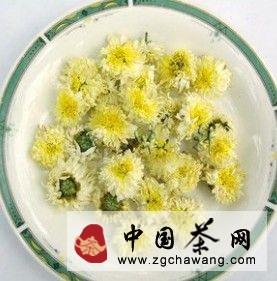
 "When the Double Ninth Day comes, I'll return for the chrysanthemums," "When autumn comes on the ninth day of September, My flowers will bloom after all others have withered. Their overwhelming fragrance permeates Chang'an, The whole city clad in golden armor," "It's not that I favor chrysanthemums among flowers, But when this flower blooms, no others remain"... In ancient poets' works, chrysanthemums are unique and beautiful. "In morning I drink the falling dew from magnolia, In evening I eat the fallen petals of autumn chrysanthemums," "Wait until chrysanthemums yellow and homemade wine matures, Together we'll get drunk and enjoy ourselves" - from Qu Yuan to Du Fu, chrysanthemums could be eaten and brewed into wine.
Chen Lijuan from the Pharmacy Department of Guangdong Provincial Hospital of Traditional Chinese Medicine introduced that chrysanthemums not only have excellent ornamental value but also possess both medicinal and edible qualities, making them particularly suitable for health preservation and healthcare. (By Tang Yingchun)
Pharmaceutical guidance/Chen Lijuan from Pharmacy Department of Guangdong Provincial Hospital of TCM, Tang Hongmei, Director of Pharmacy Department of The First Affiliated Hospital of Guangzhou University of Chinese Medicine
For vitamin supplementation, chrysanthemums surpass vegetables and fruits
According to Chen Lijuan from Guangdong Provincial Hospital of TCM, chrysanthemum is a perennial herb of the Asteraceae family and one of the traditional commonly used Chinese medicinal materials, mainly using its capitulum for medicinal purposes. "Shennong's Classic of Materia Medica" records: "Chrysanthemum treats various wind-related dizziness, swelling and pain, protruding eyes, tearing, dead skin muscles, damp painful obstruction, and benefits qi and blood." "Rihuazi Bencao" records: "Chrysanthemum treats wandering wind in limbs, heart vexation, chest and diaphragm stuffiness, carbuncle toxins, and headaches; used as pillow brightens eyes."
Chen Lijuan said chrysanthemums taste sweet-bitter with slightly cold nature; divided into wild and cultivated varieties, with cultivated chrysanthemums clearing liver and brightening eyes, while wild chrysanthemums removing toxins and dispersing fire. Traditional Chinese medicine mainly uses them to treat red eyes, sore throat, tinnitus, wind-heat cold, headaches, hypertension and other conditions. Long-term consumption has the effects of "benefiting qi-blood, lightening body, and prolonging life." Hangzhou white chrysanthemum produced in Zhejiang and tribute chrysanthemum from Huangshan summit are top-grade chrysanthemums. Additionally, Bo chrysanthemum from Bozhou, Anhui, Chu chrysanthemum from Chuzhou, Sichuan chrysanthemum from Zhongjiang, and De chrysanthemum from Deqing, Zhejiang all have good medicinal effects.
Physicochemical analysis shows chrysanthemums contain volatile oil, chrysanthemin, adenine, amino acids, choline, stachydrine, berberine, flavonoids, chrysanthemum pigments, vitamins A, B, E, trace elements and other substances that can resist pathogens and enhance capillary resistance;其中的类黄酮物质已经被证明对自由基有很强的清除作用,而且在抗氧化,防衰老等方面卓有成效。
From a nutritional perspective, the essence of plants lies in their flowers and fruits. Chrysanthemum petals contain 17 amino acids, including high levels of glutamic acid, aspartic acid, and proline. Additionally, they are rich in vitamins and trace elements like iron, zinc, copper, and selenium, thus having effects that ordinary vegetables and fruits cannot match. Modern clinical medicine also proves that chrysanthemums can expand coronary arteries, increase blood flow, lower blood pressure, and have good therapeutic effects on coronary heart disease, hypertension, arteriosclerosis, and hypercholesterolemia.
"From a TCM perspective, chrysanthemums release the exterior and clear heat, clear liver and brighten eyes; from a Western medicine perspective: 1. Chrysanthemums can resist viruses, inhibiting respiratory viruses like influenza; 2. Lower blood sugar and lipids," said Tang Hongmei, Director of Pharmacy Department of The First Affiliated Hospital of Guangzhou University of Chinese Medicine.
Chrysanthemum wine can resist aging and prolong life
"Chrysanthemums have high medicinal efficacy and nutritional value, with many eating methods - can be eaten fresh, dried, raw, cooked, braised, steamed, boiled, fried, burned, mixed, and even shredded as filling," Chen Lijuan from the Pharmacy Department of Guangdong Provincial Hospital of TCM introduced the following home healthcare methods for chrysanthemums.
Chrysanthemum Tea: Chrysanthemums can be made into health tea. Fragrant and pleasant sweet chrysanthemums are suitable for brewing tea, with white chrysanthemums from Suzhou-Hangzhou region being the top choice. When brewing chrysanthemum tea, it's best to use a transparent glass cup, put in four or five pieces each time, then brew with boiling water. When the water is 70-80% hot, you can see the tea water gradually turning slightly yellow. Chrysanthemum tea has rich aroma, refreshes the mind, and has the effects of dispersing wind-heat, nourishing liver and brightening eyes, lowering blood pressure and regulating pulses.
Chrysanthemums are also suitable for brewing with multiple flowers and teas, with more significant effects, such as the following chrysanthemum tea drinks.
Chrysanthemum Hawthorn Tea: Take 10g chrysanthemums, add 10g each of hawthorn and honeysuckle, brew as tea. Can reduce lipids and blood pressure, aid weight loss, suitable for obesity, hyperlipidemia and hypertension patients.
Three-Flower Tea: Small amounts of chrysanthemum, honeysuckle, and jasmine, brewed as tea. Can clear heat and toxins, suitable for preventing and treating wind-heat cold, sore throat, boils, etc. Regular consumption can reduce internal heat and has calming effects.
Chrysanthemum Honey Drink: 50g chrysanthemums, add 20ml water, slightly boil then keep warm for 30 minutes, filter and add appropriate amount of honey, mix well and drink. Has effects of nourishing liver and brightening eyes, promoting fluid production and quenching thirst, clearing heart and brain, moistening intestines, etc.
When drinking chrysanthemum tea, people often like to add a few rock sugars to increase sweetness. Although this drinking method is acceptable, for people with diabetes or high blood sugar, it's better not to add sugar and drink plain chrysanthemum tea.
Additionally, some people with spleen deficiency should not add sugar, because overly sweet tea can cause mouth stickiness or sourness, excessive saliva. Therefore, people unfamiliar with their constitution should drink chrysanthemum tea without rock sugar.
Chrysanthemum Wine: Chrysanthemums were already widely used for brewing wine during the Han and Wei periods. Chrysanthemum wine is cool and sweet, a good product for strengthening body and prolonging life. From a medical perspective, chrysanthemum wine can brighten eyes, treat dizziness, lower blood pressure, and aid weight loss.