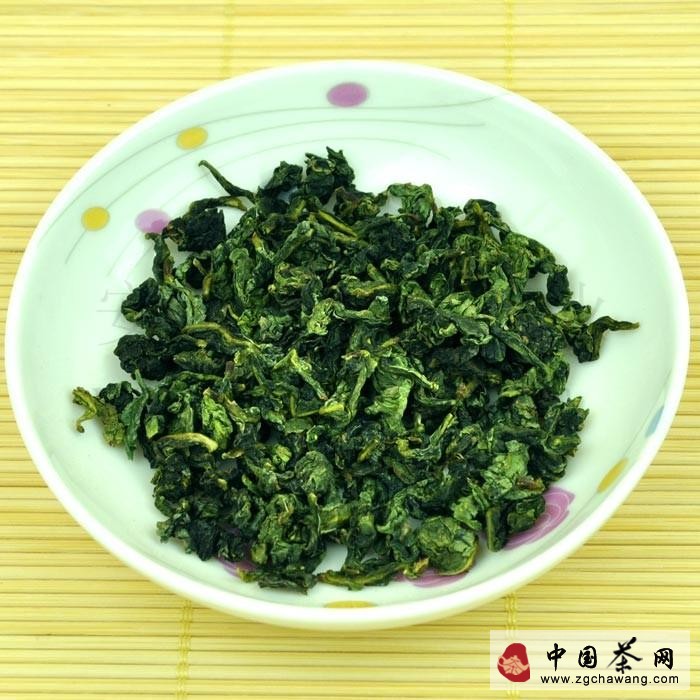
It is well known that drinking tea offers many benefits. But why does tea provide so many advantages? For most people, they know the effects without understanding the reasons. With the development of science, the components of tea began to be clearly identified in the early 19th century. Through modern scientific separation and identification, tea has been found to contain over 450 organic chemical components and more than 40 inorganic mineral elements. The organic chemical components and inorganic mineral elements in tea contain many nutritional and medicinal ingredients. The main organic chemical components include: tea polyphenols, plant alkaloids, proteins, amino acids, vitamins, pectin, organic acids, lipopolysaccharides, carbohydrates, enzymes, pigments, etc. The content of organic chemical components in Tieguanyin, such as tea polyphenols, catechins, and various amino acids, is significantly higher than in other types of tea. The inorganic mineral elements mainly include: potassium, calcium, magnesium, cobalt, iron, manganese, aluminum, sodium, zinc, copper, nitrogen, phosphorus, fluorine, iodine, selenium, etc. The inorganic mineral elements in Tieguanyin, such as manganese, iron, fluorine, potassium, and sodium, are all higher than in other teas.
1. Basic Components of Tea:
Catechins: Commonly known as "tea tannin," they are unique components of tea, possessing a bitter, astringent taste and收敛性 (convergent properties).
Caffeine: Has a bitter taste and is an important component constituting the flavor of tea soup.
Minerals: Tea is rich in 11 minerals including potassium, calcium, magnesium, cobalt, iron, manganese, aluminum, sodium, zinc, copper, and nitrogen.