How many of these essential tea knowledge points do you know?
This article introduces several key tea knowledge points, including the fact that not all Tieguanyin teas have an orchid fragrance, the importance of matching Yixing teapot shapes with tea types, the proper method for brewing Oolong tea, the scientific truth about drinking overnight tea, the incompa...
Tea News · Jun 26, 2026
After Drinking This Cup of Tea, Enjoy This Elegance!
The author recalls a childhood habit of drinking water in the morning, which later evolved into a habit of drinking tea. He enjoys all kinds of tea, especially overnight tea, which he finds cool and fragrant. He compares overnight tea to a kind of reserved and introverted beauty, similar to Xue Baoc...
Tea News · Jun 26, 2026
![[Tea Knowledge] How to Choose Autumn Tea](https://blog.teadrops.net/zb_users/cache/thumbs/a7ec2a68c6fb30ca4d05e0e44635b8b8-350-350-1.jpg)
[Tea Knowledge] How to Choose Autumn Tea
Many people are confused about how to choose tea. Experts say that price does not always reflect quality; it often relates to scarcity. To find a good autumn tea, you need to learn simple identification techniques. This article explains how to distinguish autumn tea from spring and summer teas by ob...
Tea News · Jun 18, 2026
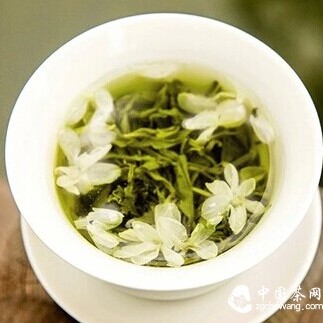
Entrust Your Body to Tea
According to the characteristics of human attention, entrepreneurs should take some time to rest during work. When reaching the limit of attention, give yourself a little time to relax the tense brain, such as drinking a cup of tea with colleagues and chatting. Ten minutes later, return to work. Thi...
Tea News · Jun 13, 2026

Is Anxi Tieguanyin a Green Tea?
Tieguanyin belongs to the category of oolong tea, which is a semi-fermented tea, distinct from green tea. It is a representative of Chinese top ten famous teas. Tieguanyin is rich in amino acids, vitamins, and minerals, offering various health benefits such as anti-aging, anticancer, and weight loss...
Tea News · Jun 09, 2026
Long National Day Holiday, Enduring Tea Fragrance: Savoring Osmanthus Oolong Tea
On a tea lover's table, fine teas from Chaoshan's Phoenix Dan Cong to Sri Lanka's Uva tea are all welcome. Osmanthus, known for its elegant and lasting fragrance, is often used to scent tea. When osmanthus flowers are used to scent oolong tea, especially Tieguanyin, the result is the renowned Osmant...
Tea News · Jun 01, 2026

Don't Miss the True Autumn Tea as Hanlu Arrives
As the weather turns colder and autumn deepens, the arrival of the Hanlu solar term marks the official start of the annual autumn tea season. Although Tieguanyin has lost some limelight in recent years, its solid mass appeal means it will make a "king's return" in this year's autumn tea market. Tieg...
Tea News · May 30, 2026
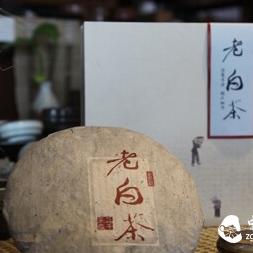
Encountering an Aged White Tea
Encountering a good tea is like finding a fine wine. When it comes to Fujian tea, Tieguanyin is often the first to come to mind. Aged white tea, however,沉淀 in the transformation of time, can bring you great惊喜 when brewed with care. Once you taste it, it is hard to go back to other teas....
Tea News · May 28, 2026
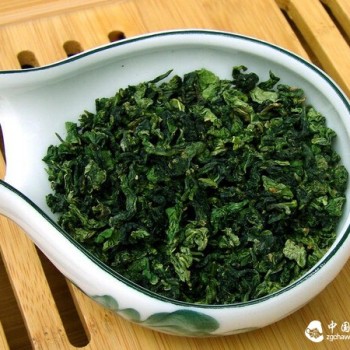
6 Tips to Identify Premium Tieguanyin Tea
Tieguanyin has always been widely popular, but identifying premium Tieguanyin is a profound skill. Experts can easily distinguish it, while beginners can evaluate the tea by observing its shape, listening to its sound, inspecting its color, smelling its aroma, and tasting its essence. This article t...
Tea News · May 28, 2026
What Is the Function of Tieguanyin?
Often likened to the prime minister in the tea market, Tieguanyin's success is largely attributed to its rich content of tea polyphenols. These compounds, primarily catechins, offer significant medical benefits such as anti-cancer and anti-aging effects by scavenging free radicals. Additionally, the...
Tea News · May 25, 2026