I. Brief History of Black Tea Classification
II. Introduction to Lapsang Souchong Tea
III. Introduction to Gongfu Black Tea
IV. Introduction to Red碎茶
Black tea is a fully fermented tea with basic processing steps including withering, rolling (or cutting), fermentation, and drying. It is currently the most consumed tea category worldwide. According to the initial processing methods and the characteristics of various black tea varieties, Chinese black tea can be broadly classified into three main types: Lapsang Souchong, Gongfu Black Tea, and Red碎茶.
I. Brief History of Black Tea Classification
Chinese black tea initially originated from Lapsang Souchong in the Wuyi Mountain area of Fujian Province, which is also the earliest black tea in world history. By the mid-18th century, the processing method for Gongfu Black Tea was developed based on the Lapsang Souchong technique. Liu Jing's "Moments of Leisure" from the Qing Dynasty records "... among rock teas, the highest grade is Old Tree Souchong, followed by Souchong, then Souchong Gongfu, and then Gongfu...". At that time, distinctions between "Souchong" and "Gongfu" already existed. Around 1875, the Gongfu Black Tea processing method spread to Anhui. Qimen County, originally known for producing green tea, began producing black tea, which became famous worldwide for its rich aroma and taste. In the 19th century, China's black tea processing methods spread to countries like India and Sri Lanka, later evolving into "Red碎茶," where leaves are cut before fermentation and drying. In the late 1950s, to meet the demands of the international market, China also began trial production of Red碎茶.

II. Lapsang Souchong
Lapsang Souchong is a unique type of black tea from Fujian Province, traditionally smoked with pine needles or pine wood. That produced in Tongmuguan, Xingcun Township, Chong'an County (now Wuyishan City) Fujian, is called "Lapsang Souchong", while that produced in adjacent areas is called "Outlying Souchong". Lapsang Souchong is the oldest black tea and also the origin of all black teas worldwide; other black teas evolved from it. Representative tea: Lapsang Souchong.
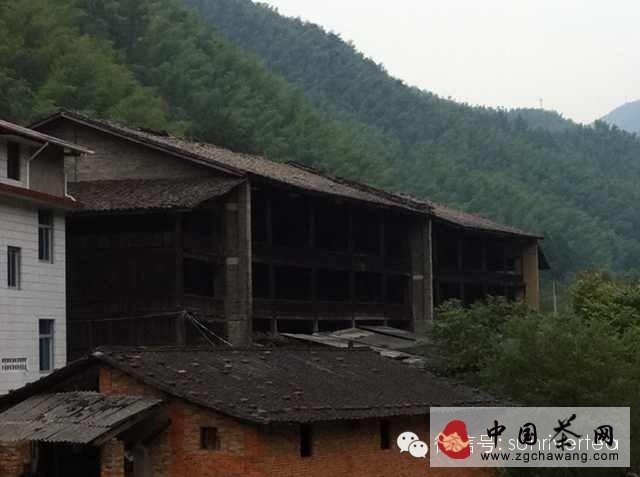
The currently still used "Green Building" for processing Lapsang Souchong
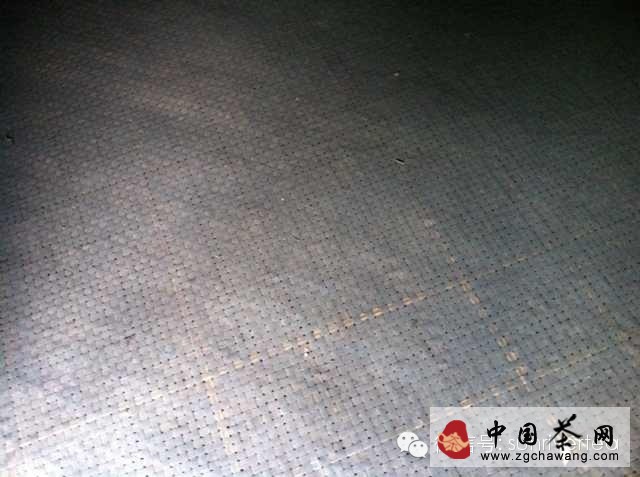
The smoked bamboo mat in the Lapsang Souchong processing workshop
Lapsang Souchong: The Ancestor of Black Tea
Origin: Wuyi Mountain, Fujian Province
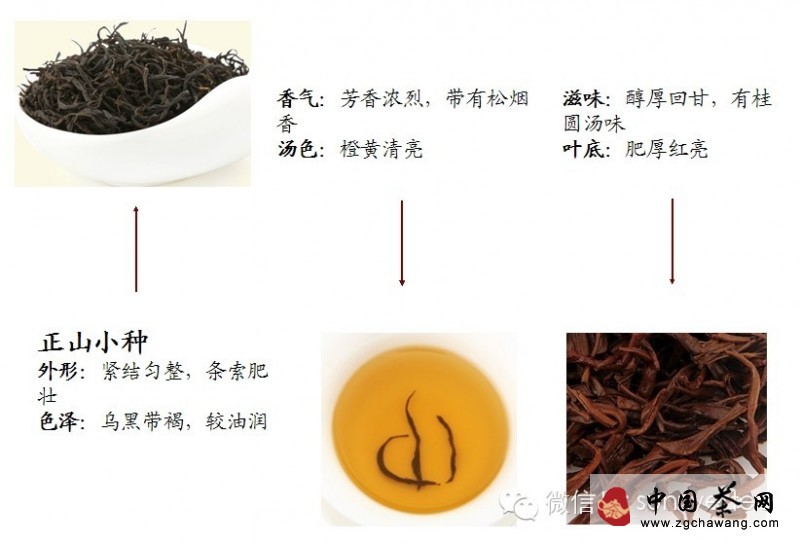
Traditional Lapsang Souchong black tea has a very strong smoky pine aroma, with a taste reminiscent of longan soup. Its unique pine flavor is deeply loved by consumers at home and abroad. Later Gongfu Black Tea was developed based on Lapsang Souchong.
III. Introduction to Gongfu Black Tea
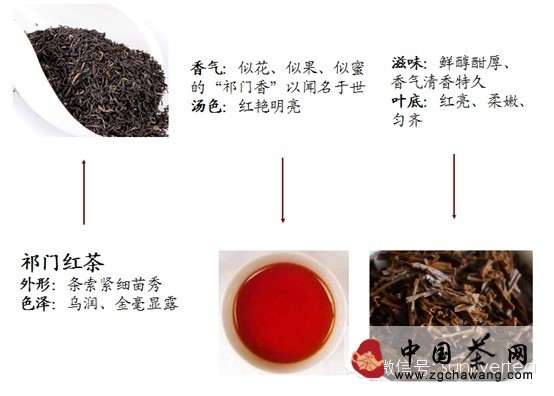
Gongfu Black Tea is China's traditional black tea, named for its refined and elaborate processing. Gongfu Black Tea is produced in many regions, often named after their place of origin. Among them, "Keemun Black Tea" produced in the Qimen area of Anhui Province has tightly fine strands and a rose-like floral aroma (sweet floral scent) with a sweet and mellow taste; "Yunnan Black Tea" from Yunnan is stout in appearance, shows golden tips, and has a rich, mellow taste. For example, Keemun Black Tea, long famous overseas and enjoying a high reputation, is deeply welcomed by consumers in Eastern and Western Europe. Additionally, Fujian's "Min Hong", Hubei's "Yi Hong", Sichuan's "Chuan Hong", etc., are all main categories of Chinese Gongfu Black Tea. Sometimes, to meet the needs of specific markets, several Gongfu Black Teas are blended into "Chinese Gongfu Black Tea" to combine the strengths of each, making the tea's appearance and internal quality more perfect. Gongfu Black Tea is suitable for multiple infusions plain or for mixed drinks. Representative teas: Keemun Black Tea, Yunnan Black Tea, etc.
Keemun Black Tea: The Queen of Black Tea, The Best Among All Aromas
Origin: Qimen County, Anhui Province
Creation Time: 1875
Keemun Black Tea, abbreviated as Qihong, is a representative of Chinese Gongfu Black Tea, produced in Qimen County, Anhui Province, and a famous historical Chinese tea. "Qihong is exceptionally the best among all aromas, its high fragrance is unparalleled." Keemun Black Tea is the pinnacle of black tea, renowned for its high aroma and fame, praised as "The Best Among All Aromas" and "The Queen of Black Tea". Keemun Black Tea is famous worldwide for its four unique characteristics: "high aroma, mellow taste, beautiful shape, and bright color", ranking as one of the world's three great high-aroma black teas.
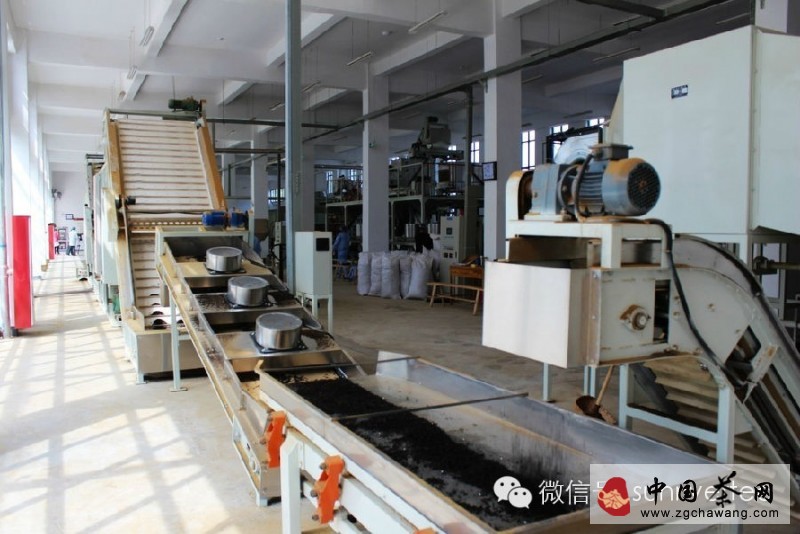
Picture of Xiangyuan Qihong's fully automated and clean production workshop
Yunnan Black Tea: Bright Red Liquor, Prominent Golden Ring
Origin: Lincang, Shuangjiang, Fengqing, etc., Yunnan
Creation Time: 1938
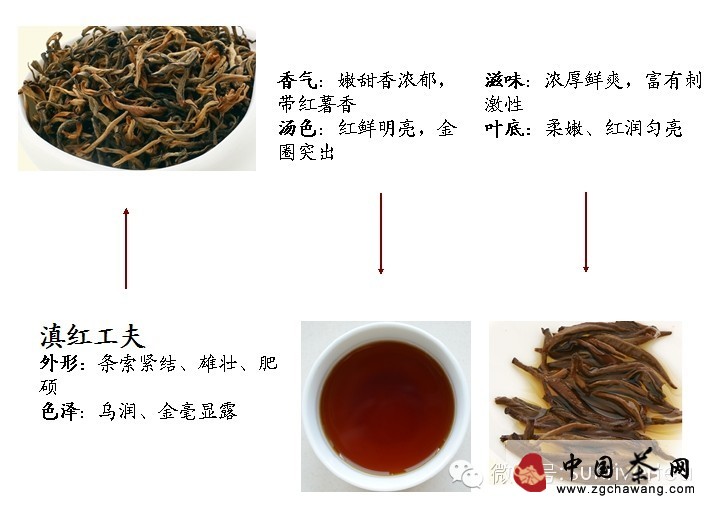
Yunnan Black Tea, mainly produced in Lincang, Shuangjiang, Fengqing, etc., Yunnan, is a rising star among Chinese Gongfu Black Teas. It stands out for its unique quality of stout, tightly rolled leaves with visible golden tips, high aroma, and rich taste.
IV. Introduction to Red碎茶
Red碎茶 is granular black tea. After withering and rolling, the fresh tea leaves are machine-cut into granular fragments, then fermented and dried. Because of its fine, broken appearance, it is called Red碎茶, also known as "Red Fine Tea". It is the most produced and consumed black tea variety in the world today. Its taste requires strength, briskness, and freshness (rich, strong, brisk). After brewing with boiling water, Red碎茶 infuses quickly and yields a large amount of liquor, making it suitable for one-time brewing with added sugar and milk. For convenience, Red碎茶 sufficient for one cup (usually 2 grams) is often packed in dedicated filter paper bags, processed into "bagged tea".
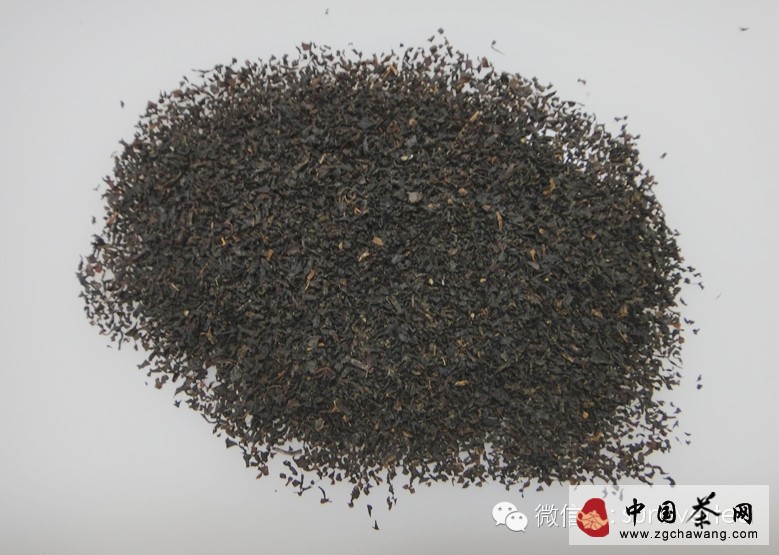
Red碎茶 No. 5: Fresh, Strong, Sweet, and Brisk
Origin: Xishuangbanna Prefecture, Yunnan
Creation Time: 1980s
Red碎茶 No. 5 is a newly created famous tea. It was developed in the late 1980s by the Yunnan Xishuangbanna Dadugang Tea Factory after introducing CTC (Crush, Tear, Curl) tea machinery. It once won the special prize in the 3rd "China Tea Cup" National Famous Tea Competition held by the China Tea Society in 1999. Its appearance: granular, even, and heavy; color: reddish-brown and oily; aroma: strong, fresh, and lasting; liquor: red, rich, and bright; taste: fresh, strong, sweet, and brisk; brewed leaves: even red and soft.
The development of Red碎茶 is closely related to foreign drinking habits that emphasize taste more, and its classification differs from that in China. Traditionally, foreign black teas can be classified into whole leaf tea, broken tea, small leaf tea, and powdered tea. Their specific grade divisions are based on the size and shape of the tea leaves, categorized into OP, BOP, BOPF, D, etc.
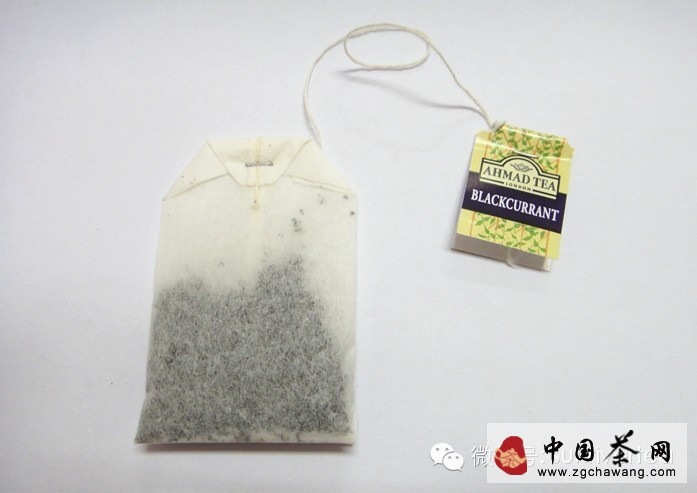
Picture of a Red碎茶 tea bag
China has a wide variety of black teas. Keemun Black Tea is famous worldwide, while other black teas also leave their fragrance everywhere. The emergence of numerous types of black tea is the result of the continuous spread of Chinese black tea and the constant innovation and research by tea masters throughout history, thus achieving a scene where the motherland's rivers and mountains are all "red" (prosperous with black tea).