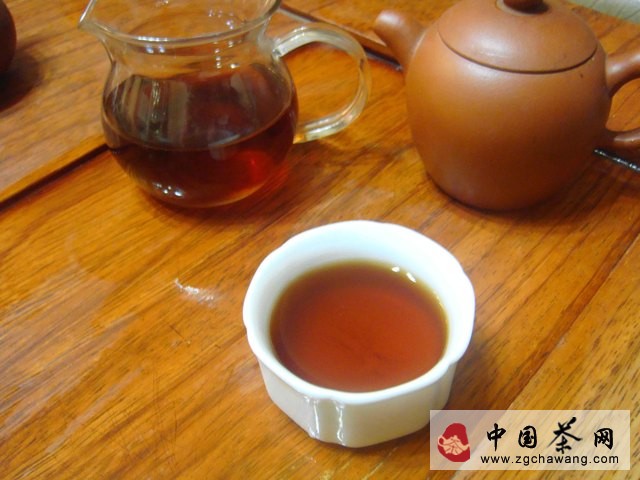
First, let's discuss the sour taste in ripe tea, which is caused by the fermentation process. Different manufacturers master fermentation techniques differently, resulting in distinct flavor profiles for ripe tea.
Pile fermentation flavor: The stuffy, complex taste generated during fermentation. Both sourness and pile flavor represent special characteristics. Properly fermented tea should have diminished pile flavor with initial emergence of aged aroma.
Some lightly fermented teas (below 70% fermentation maturity) may carry slight sourness. If other stuffy odors are not prominent, this can be acceptable.
Sourness and pile flavor form distinctive characteristics that are relatively difficult to transform. Such teas face challenges in developing aged, mellow, rich, and fragrant qualities. Therefore, many consider these factors as fundamental criteria for evaluating ripe tea quality - heavy pile flavor receives lower scores, while pronounced sourness typically fails standards (except for those who appreciate sour notes).
Throat dryness and pain after drinking ripe tea also indicate poor fermentation.
If only dryness occurs, this may exist in new ripe tea due to fermentation's fiery energy, which gradually diminishes as the tea ages and mellows.
Regarding throat pain, compressed teas rarely cause this issue. Loose ripe teas, especially unpackaged varieties without factory inspection, might exceed bacterial standards - the primary reason for throat discomfort. Recommended to purchase QS-certified products.