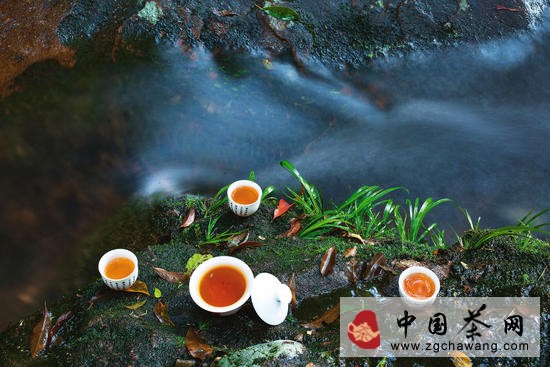
Body must be upright. Whether during brewing or in daily practice, maintain a dignified posture—unbiased and proper. Only with an upright posture can smooth breathing be ensured. Water must be calm. This means that when brewing tea, freshly boiled water must wait until it completely stops boiling before starting to pour. Otherwise, it will cause the water flow to vary in intensity during pouring, making it difficult to control the direction and force.
The tea station must be simple. "Simple" means that aside from the essential tea utensils, minimize unrelated objects on the entire tea table.
Mind must be pure. Free from distractions, wholeheartedly serve the tea, without thinking about people or matters unrelated to tea.
Hands must be steady. Whether brewing or pouring tea, movements should be stable, without sudden changes in strength, height, or depth.
Utensils must be clean. All tea tools must be guaranteed to be clean and free of stains.
Breath must be smooth. Before brewing tea, always adjust your breathing to ensure it is even and calm.
Voice must be low. Whether brewing tea or communicating, do not speak loudly.
Read the original text
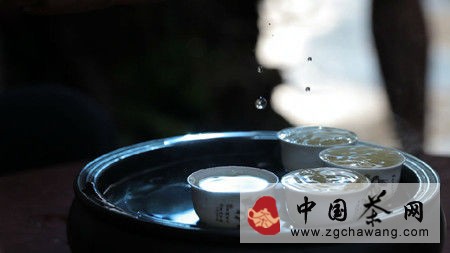
From the moment tea leaves the tea tree, it anticipates meeting water; water awakens the tea, tea completes the water; water embraces the tea, tea enriches the water; tea is reborn because of water, water becomes fragrant because of tea.
The encounter between tea and water nourishes life and stirs the soul. Brewing tea is like life—it needs to be just right: if the time is too short, the tea lacks flavor, it's too weak; if the time is too long, the flavor becomes too strong, it's bitter...

The bond between tea and water may be due to a small tree swaying by a stream ten thousand years ago, only in this life do they join hands and follow each other; the share between water and tea may be due to dewdrops lingering on tender leaves a thousand years ago, only today do they lean in and commit...
Flavor becomes sweet because of water, the heart becomes peaceful because of tea; tea eventually returns to silence, water eventually becomes soundless.
When the tea cools, the water calms; when the water calms, the tea clears.
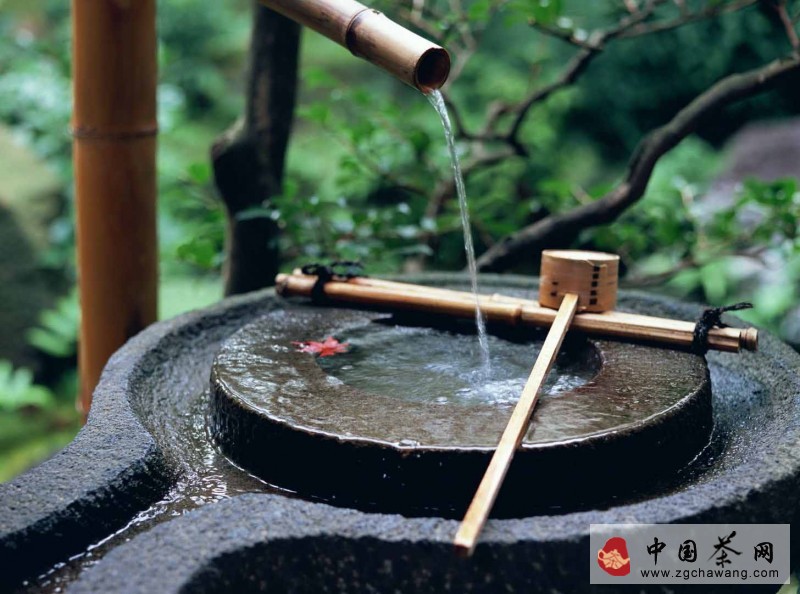
Time stretches far, worldly affairs are tranquil; there is a sentiment, faintly fragrant like tea; there is a kind of life, clear as water...
Water is sweet, flavor is true; tea is clear, dreams are good!
A cup of clear tea, a tranquil heart: the character for "tea" (茶)拆开 is "person among grass and trees" (人在草木间). A human life, the autumn of plants, several degrees of warmth and cold, some complexity, there is a Zen-like connection between people and tea.

The Buddha said: "One flower, one world; one blade of grass, one paradise; one leaf, one Tathagata; one grain of sand, one bliss; one region, one pure land; one smile, one dust-bound fate; one thought, one purity." How many can truly comprehend this?
The ups and downs of life are like a cup of tea—bitter as tea, fragrant also as tea. Fame is faint, profit is faint, no contention, no seizure. Floating life is like a dream, a cup of clear tea resolves worries! Everything natural, everything detached from vulgarity, everything entering a deep and beautiful, distant state of mind—all are the subtle elegance of life.
Now gently ask: Whose tea are you, waiting for which cup of water?