Duan clay, with its light color, is found in the uppermost mineral layer. After being formed into a teapot, its structure is relatively loose and highly breathable, allowing it to strongly absorb impurities while also more easily absorbing aromas. From the perspective of nurturing the pot, it is more suitable for brewing teas with lighter tea soup.
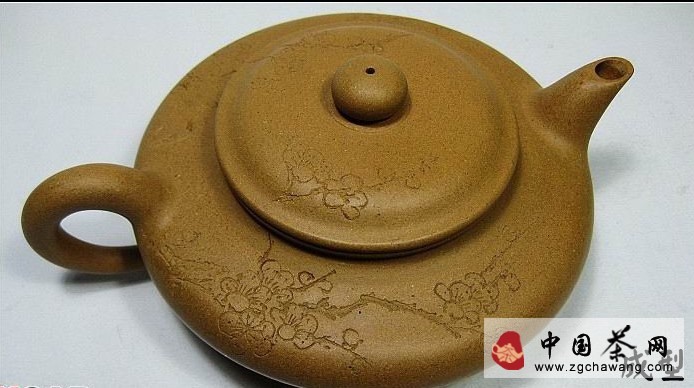
Zisha clay includes many categories, such as Qing Shui Ni, Di Zao Qing, Hong Qing Shui, and Hong Pi Long. It falls between Duan clay and Zhu clay in terms of properties, has a wide adaptability, and is universal. It can be used to brew many types of tea.
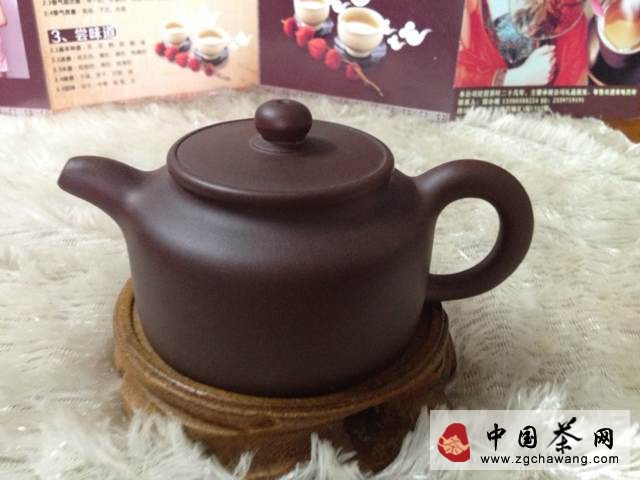
Zhu clay has the densest structure and the weakest breathability, making it most effective at locking in the tea's aroma during brewing. At the same time, it has strong heat retention ability, allowing the pot body to maintain a certain temperature. It is more suitable for brewing high-aroma teas, such as Tieguanyin and Fenghuang Dancong.
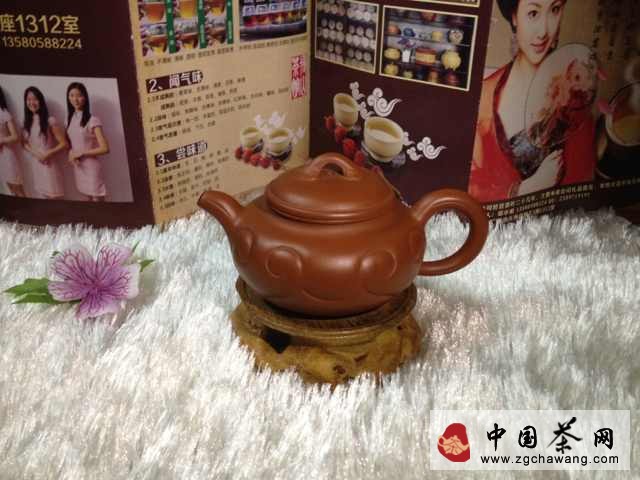
Things to avoid when nurturing a teapot:
1. Leaving brewed tea leaves in the pot to mold, as this will turn it into a "smelly pot."
2. Allowing oil stains or leftover tea residue to accumulate, thinking it will make the pot look aged. In reality, a truly good pot has a very even surface luster.
3. Using one pot to brew several different types of tea. The nature of a pot is like human nature—it should not be fickle.
4. Tapping or rubbing the pot body with the edge of the lid, thinking it can test the purity or fineness of the clay. This can easily chip the edge, and the sound produced only indicates the sintering degree of the pot.