1. Introduction to Mansong Tribute Tea:
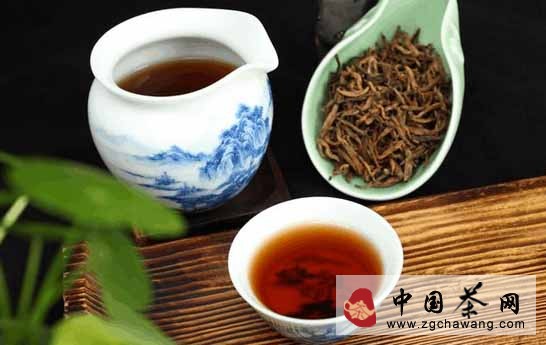
Historically, the emperor ordered tea mountains to submit a specific type of tea to the imperial court, known as tribute tea. Among the local teas of Yibang, Mansong tea was considered the best, leading to the saying "Eat Mansong, look at Yibang." The emperor specifically designated Mansong tea from the five major tea mountains as the tribute tea, rejecting teas from other villages. Consequently, Mansong Tribute Tea once reached a glorious annual tribute of hundreds of dan. Mansong tea is known for its thick texture and delicious taste, with a sweet and fragrant flavor. During the Chenghua period of the Ming Dynasty, Mansong Tribute Tea first entered the capital and was highly praised by Emperor Xianzong, thus being listed as tribute tea. By the Qing Dynasty, Mansong Tribute Tea reached the peak among tribute teas. The Mansong tea garden officially became the "Royal Tea Garden," signifying the imperial tribute tea garden. There were three royal tea gardens: Prince Mountain and Shady Mountain in Mansong, and another near a Dai village close to Manla. The "annual tribute of 100 dan" of Pu-erh tea originally referred to Mansong Tribute Tea from the Mansong tea mountain.
2. Price of Mansong Tribute Tea
As an ancient tribute tea, Mansong Tribute Tea is now even more difficult to obtain. A close tea friend, Mingyue (a woman), once told me that the authentic output of Mansong Tribute Tea is extremely scarce, with very low annual production nowadays. Trying to purchase one kilogram of genuine Mansong Tribute Tea is harder than reaching the sky. In her effort to buy authentic Mansong Tribute Tea, she asked friends for favors, gave gifts of cigarettes and alcohol, and after much effort, spent nearly 4000 yuan to obtain less than one kilogram of tea. When she brewed it, she invited me and, while drinking, said in a tipsy voice: "Mansong tea, heard a lot, seen very little, drunk extremely rarely. Having tasted it this time, I have no regrets in this life."
3. Selection Method for Mansong Tribute Tea
When selecting Pu-erh tea, the first step is to confirm whether you are choosing raw tea or ripe tea. Simply put, raw Pu-erh tea refers to tea that is pressed into shape, where we can clearly see the leaves are green with some white hairs covering them. Ripe tea, on the other hand, is fermented, appearing overall dark brown, reddish-brown, or date-red in color. The taste of ripe tea, the ripe flavor, and the aged aroma are among the most direct and effective ways to distinguish between raw and ripe tea. Secondly, when selecting Pu-erh tea, you must learn to smell the aroma. This means not only smelling the fragrance of the dry leaves but also learning to smell the aroma of the brewed tea liquor, carefully identifying any off-odors or pungent smells. For example, ripe Pu-erh tea is primarily appreciated for its aged fragrance. Pu-erh tea possesses the unique characteristic of becoming more fragrant with age, but there is a significant difference between aged fragrance and musty odor. Usually, poorly stored Pu-erh tea develops a musty smell, and some merchants might add scented flowers like chrysanthemums to mask it. For Pu-erh tea without any added fragrance, the musty odor resembles the smell of leaves rotting and molding in soil.
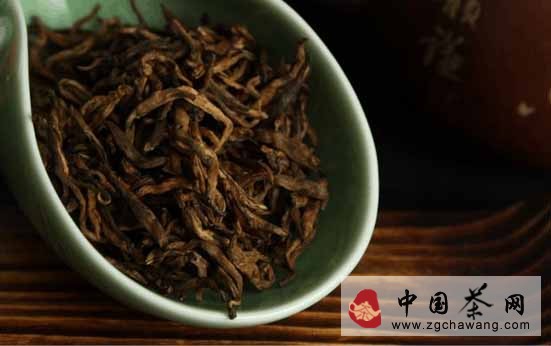
Furthermore, when selecting Pu-erh tea, we must learn to observe the liquor color. Generally, the liquor of raw Pu-erh tea should be clear, bright, and transparent. The liquor of ripe Pu-erh tea should be reddish, resembling the red of wine or the color of ruby. If a Pu-erh tea's liquor appears dull and murky, then the selection of leaves and processing of such tea are not very good, and it may not have significant purchase value, with the exception of some newly pressed teas. Additionally, when selecting Pu-erh tea, we should learn to examine the tea base, meaning the appearance of the leaves after they have been steeped and expanded. Overall, the tea base of ripe Pu-erh tea mostly appears dark chestnut or black, with the leaf strips being dry, thin, old, and hard. If the fermentation is heavy, there will be obvious charring, as if sunburned, with some older leaves appearing broken and crumbled after long soaking in water. However, some ripe teas with shorter pile-fermentation time and lighter fermentation degree can have a tea base very close to that of raw tea. Conversely, some raw teas might, during processing—for instance, if the tea leaves are not dried immediately after rolling and twisting, causing a delay—also result in a tea base showing a deep brown color. The liquor color would also be relatively pale and dark, similar to lightly fermented and piled ripe tea.
When selecting Pu-erh tea, the final and most important point is to personally taste the Pu-erh tea you intend to purchase. Carefully feel the taste sensation the Pu-erh tea brings you. If you feel the tea is good and suits you, then it is good. Pu-erh tea is not plain water; it is like a beverage—there will always be a taste that suits you.
The most distinctive characteristic of genuine Mansong Tribute Tea is its sweetness and smoothness. When drinking, the mouth feels very sweet, and the throat feels very sweet, like drinking honey water. However, the editor personally feels that the taste and charm of Mansong Tribute Tea are more like candied lotus seeds. Mansong Tribute Tea has strong and warming tea energy. Drinking just a little bit will make the body feel warm, which is far superior to teas from other mountains.
4. Why is Mansong Ancient Tree Pu-erh Tea So Expensive?
1. Scarcity Increases Value
Mansong Ancient Tree Pu-erh Tea was originally a tribute tea garden with many ancient tea trees. However, due to several fires and wartime burning during the Anti-Japanese War, coupled with the Great Leap Forward and tea farmers' lack of protection, leading to random cutting, the number of Mansong ancient tea trees has drastically decreased. By the time people realized the value of Mansong Ancient Tree Pu-erh Tea, not many were left, making it a rare type of Pu-erh tea.
2. Mansong Ancient Tree Pu-erh Tea Has High Historical Research Value
Like Hekai ancient tea, Mansong Ancient Tree Pu-erh Tea is one of the older plant species and one of the more completely preserved, artificially planted tea trees in the world. It holds extremely important value for humanity's research into the origin of tea trees, the evolution of tea leaves, and its status as tribute tea and a world-famous tea.
3. Special Traditional Handmade Tea Processing Techniques Make Mansong Ancient Tree Pu-erh Tea Extremely Expensive.
4. Among Pu-erh tea varieties, Mansong Ancient Tree Pu-erh Tea is considered to have the best efficacy and effects.