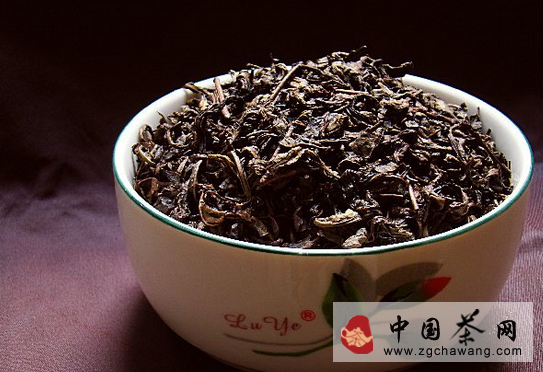
 Northern Thailand borders China's Yunnan province, and the people here have a custom of enjoying pickled tea, prepared in the same way as the ethnic minorities in Yunnan.
Pickled tea is usually made during the rainy season, using fresh, unprocessed tea leaves. During preparation, young women first pick fresh leaves from tea trees, wash them clean with water, and drain the surface moisture. To make the pickled tea, the leaves are spread on bamboo trays to air-dry slightly, reducing some moisture. They are then gently kneaded and mixed with appropriate amounts of chili and salt. The mixture is placed into jars or bamboo tubes, tightly packed layer by layer with a wooden pestle. The jar (or tube) is sealed tightly, often with bamboo leaves. After resting for two to three months, when the tea leaves begin to turn yellowish, the pickling process is complete.
The finished pickled tea is removed from the jar and air-dried, then stored in earthenware pots for consumption as needed. For a more refined taste, it can be mixed with sesame oil when eaten, or garlic paste and other seasonings may be added.
Pickled tea is essentially a dish. It is eaten by mixing it with spices and chewing it slowly in the mouth. Due to the hot and humid climate in the region, eating pickled tea provides a fragrant and cooling sensation. Thus, pickled tea has become a homemade dish passed down through generations among the locals.