
Do You Know the Eight Wonders and Eighteen Peculiarities of Pu'er Tea?
Pu'er tea, originating from Yunnan, China, is renowned for its unique production process, diverse shapes, and the ability to improve with age. Its eight wonders include its origin, variety, raw materials, craftsmanship, taste, shape, quality, and brewing resilience. The eighteen peculiarities, prese...
Tea News · Jun 17, 2026
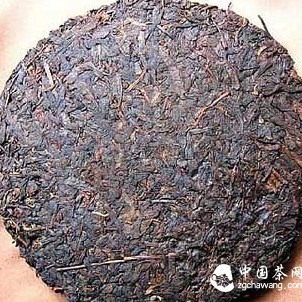
The Origin of Pu'er Seven-Cake Tea (Qizi Bing)
The Seven-Cake Tea, or Qizi Bing, is the most iconic form of Pu'er tea. Traditionally each cake weighs 357 grams, with seven cakes packed in a bamboo shell. Its origin is linked to historical trade, convenient transport by horse caravans, and the auspicious meaning of the number seven in Yunnan mino...
Tea News · May 12, 2026
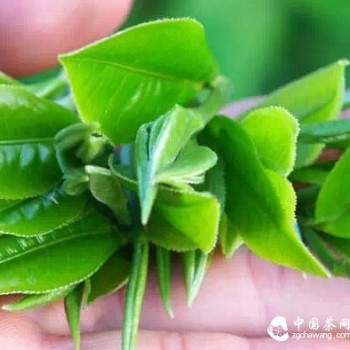
18 Classic Lies About Pu-erh Tea
This article debunks 18 common misconceptions about Pu-erh tea, a fermented tea from Yunnan, China. It clarifies that authentic Pu-erh is made from sun-dried large-leaf tea varietals from Yunnan, not small-leaf types. It explains the differences between raw (sheng and ripened (shou Pu-erh, noting...
Tea News · Apr 11, 2026
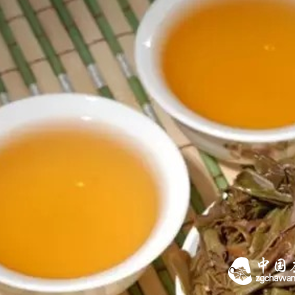
Exploring the Origin of Pu-erh Tea's Aroma
This article explores the origin of Pu-erh tea's aroma, focusing on the influence of regional factors. Using Yunnan's Xishuangbanna region as a key example, it explains how climate, soil, altitude, temperature, and rainfall collectively shape the tea's distinctive fragrance. The discussion draws an...
Tea News · Feb 13, 2026
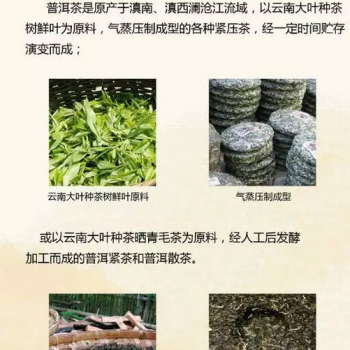
Thoroughly Understand Pu-erh Tea! Save and Read!
This comprehensive guide provides an in-depth look at Pu-erh tea, a unique fermented tea originating from China's Yunnan province. It covers essential aspects such as the tea's production process, including the differences between raw (sheng and ripe (shou Pu-erh, the significance of fermentation...
Tea News · Feb 12, 2026
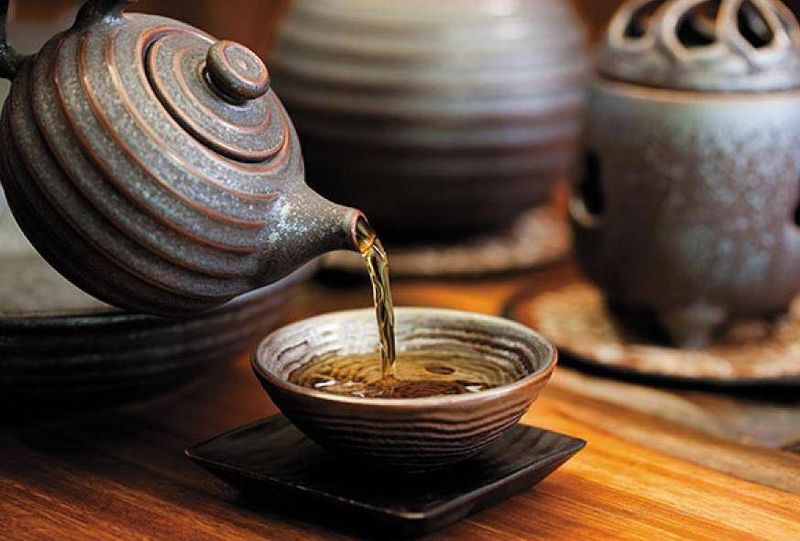
Where is the Origin of Dianhong
Dianhong, a renowned Chinese black tea, originates from Yunnan Province, specifically from over 20 counties across six prefectures along the Lancang River basin. These include Lincang, Baoshan, Simao, Xishuangbanna, Dehong, and Honghe. Dianhong is primarily categorized into two types: Dianhong Gongf...
Tea News · Dec 27, 2025
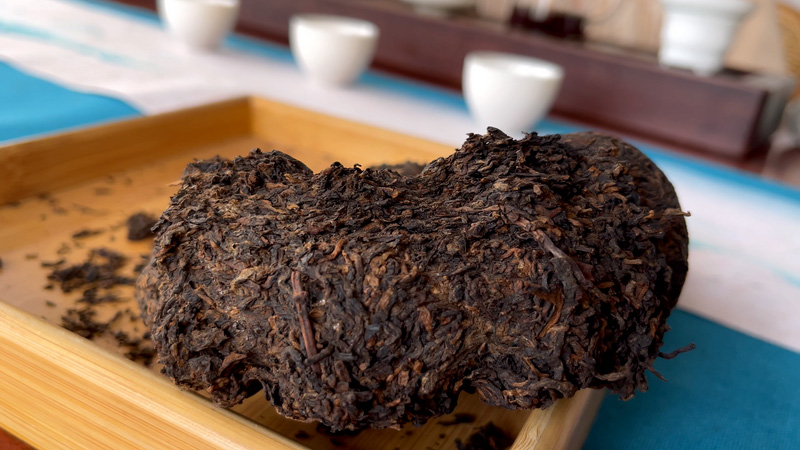
Introduction to the Origin of Pu-erh Tea
Pu-erh tea, also known as wild tea tree (including cultivated wild tea trees , is a rare species primarily distributed in southern Yunnan and Hainan, China. Its main production areas in Yunnan include Menghai, Mengla, Simao, Gengma, Cangyuan, Shuangjiang, Lincang, Yuanjiang, Jingdong, Dali, Pingbian...
Tea News · Dec 15, 2025
Achang Bamboo Tea
The Achang people, a unique ethnic minority in Yunnan Province, are renowned for their traditional bamboo tea. This distinctive beverage combines fresh spring water, the fragrance of green bamboo, and the rich flavor of tea leaves. To prepare it, a thick section of fresh bamboo is used as both a coo...
Tea News · Dec 12, 2025
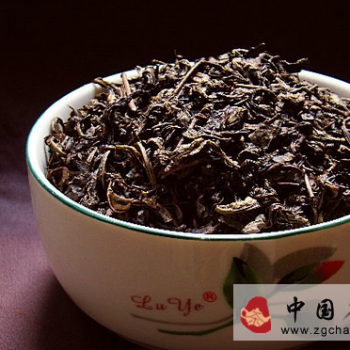
Tea Can Also Be Eaten Pickled – Thai Pickled Tea
In northern Thailand, which borders China's Yunnan province, there is a tradition of eating pickled tea, similar to the practices of some ethnic minorities in Yunnan. Pickled tea is typically made during the rainy season using fresh, unprocessed tea leaves. The preparation involves washing the leave...
Tea News · Dec 11, 2025
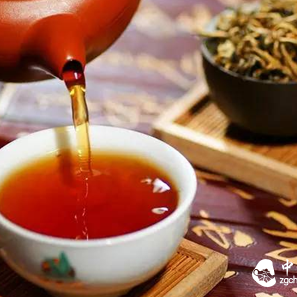
【Tea Journey】Rainy Day, Let's Have a Pot of Warm Dianhong Tea
Dianhong, or Yunnan black tea, stands out as one of China's most robust and flavorful black teas, made from large-leaf tea varieties. Known for its 'strong, potent, and fresh' characteristics, it offers a rich, mellow, and enduring taste. On a rainy day, a warm pot of Dianhong provides deep comfort....
Tea News · Oct 16, 2025