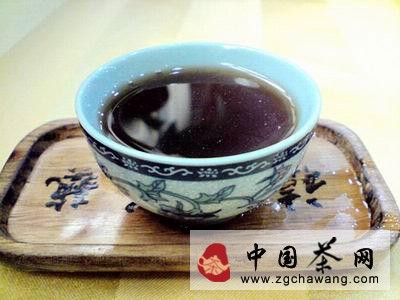
Heicha (Dark Tea): Nutritional Benefits of Coarse Tea Leaves
Tea can be categorized by fermentation level into non-fermented, semi-fermented, and fully fermented teas. Green teas like Longjing and Xinyang Maojian are non-fermented; yellow teas like Mengding Huangya and Junshan Yinzhen are lightly fermented; Keemun black tea and oolong tea are about 50% fermented; while Pu-erh tea and other dark teas exceed 90% fermentation. Deeply fermented teas use coarse, old leaves, akin to whole grains, whereas green teas use tender leaves, akin to refined grains.
Heicha aids in digestion and reduces greasiness because it is made from coarse, mature leaves. A Hunan Anhua proverb says of Heicha: 'Leaves big enough to wrap salt, stems stout enough to pole a boat.' Though exaggerated, coarse-leaf Heicha holds unique advantages over delicate 'premium teas.' Its nutritional efficacy lies entirely in its 'coarseness.'
First, coarse leaves are rich in木质纤维 (lignocellulose), which enhances intestinal motility and repairs gut function. Second, they contain 5–10 times more tea polysaccharides than tender leaves, helping lower blood pressure and protect pancreatic beta-cell activity. Third, coarse leaves are abundant in tea pigments, which effectively inhibit plasma lipid formation and delay cardiovascular thrombosis.
Heicha's benefits are also tied to its processing. As a post-fermented tea, it undergoes higher fermentation. The wet-piling process during thermal fermentation reduces caffeine content, making Heicha calming and stomach-friendly. Remarkably, the beneficial microorganism Eurotium cristatum produced during fermentation is classified as a state-level secret. It contains over 450 beneficial components, with standout effects in anti-cancer, anti-radiation, anti-aging, promoting digestion, and preventing intestinal fat absorption.
Lowering lipids, reducing weight, lowering blood pressure, and preventing thrombosis are precisely what urban dwellers consuming rich diets need. Thus, as ethnic minorities raised on Heicha say, 'A day without tea leads to stagnation, three days without tea leads to illness.'