I would rub my hands together eagerly, ready to sit down at the tea brewing station, only to be pulled back by someone, often accompanied by the remark, "Please, don't ruin the tea." A mix of frustration and indignation would well up, yet I was always surprised to find that when complaining to friends, too many people said, "We share the same misfortune!" At the tea shop or a tea friend's place, I could drink exceptionally delicious tea, but once I excitedly started brewing it myself, it was never the same original flavor. No matter how I tried, it just didn't taste right.
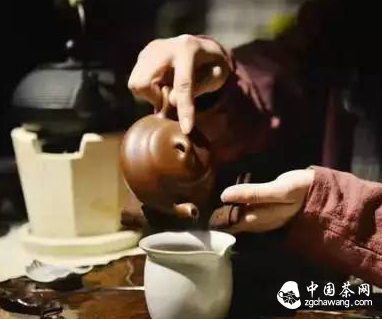
Did the merchant switch the tea leaves? Or is there some secret brewing technique not shared?
Many tea friends find this puzzling and disappointedly think, "I just can't brew it to taste like it did originally." Actually, I have found the several reasons that affect the taste of brewed tea.
1. Amount of Tea Leaves
When brewing the same tea, the amount of leaves is a key factor determining the quality of the tea soup. Too many leaves make the soup too strong; too few make it bland.
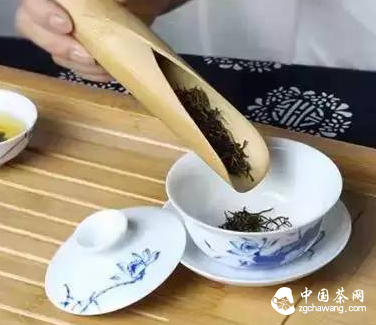
Generally, for a gaiwan of about 100 ml, using 5–7g of dry tea leaves can fully bring out the characteristics of a tea. In the beginning, it's best to use a digital scale to weigh the leaves for accuracy.
2. Tea Brewing Vessel
A tea friend once asked: "Why does the tea I brew at home taste different from what I drank at the shop? I strictly used the standard 1:15 leaf-to-water ratio." Later, when the friend showed their brewing vessel, everyone understood—they were using a purple clay teapot.
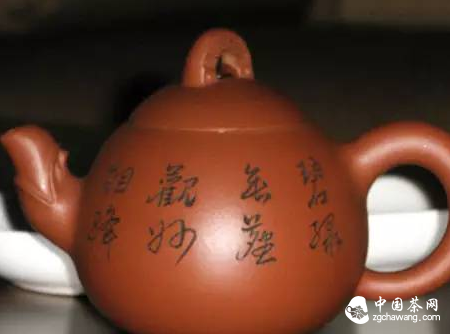
Compared to a gaiwan, a purple clay pot infuses slower. Not only does the amount of leaves need to be reduced slightly, but the brewing time also needs to be shortened appropriately. Moreover, different purple clay pots have different shapes and spouts, so the ideal amount of leaves varies. It can be said that each pot has its own suitable leaf quantity. It is recommended to experiment more and adjust based on actual results.
3. Brewing Movements
Can brewing movements affect the tea soup's taste?
They really can!
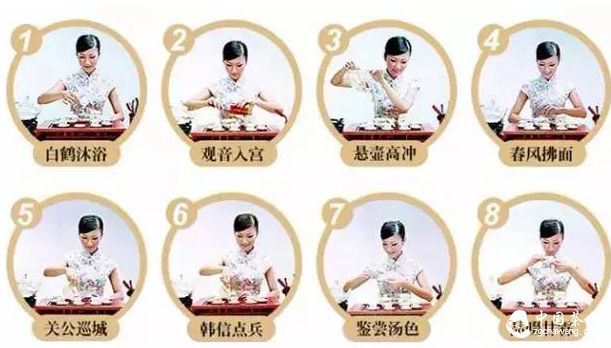
For example, some teas emphasize a thick, smooth soup texture. They are rich in intrinsic substances and high in caffeine, so they require unique brewing techniques. For instance, when pouring water, pour it steadily along the cup wall at a fixed point, avoiding directly hitting the leaves. When decanting, also avoid pouring too hastily. On one hand, this is to obtain a thick, creamy texture; on the other, it prevents excessive caffeine from leaching out, which would make the tea too bitter. Furthermore, different pouring and decanting techniques take different amounts of time, which naturally changes the overall brewing time again.
4. Brewing Time
The impact of brewing time on tea soup is undeniable, but many subtle details are often overlooked. For example, the time taken to pour water and decant the soup is also counted in the brewing time. It's best to maintain a consistent duration for pouring and decanting.
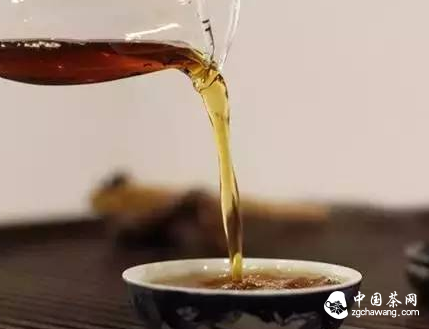
Although brewing time increases with each infusion, the second infusion should be slightly shorter than the first. This is because after the first infusion's saturation, the rate at which the tea's contents leach out during the second infusion is faster than the first, so the time should be reduced a bit.
Additionally, the degree of leaf breakage, the compression level of the tea, and whether using a pot or a gaiwan all require adjustments to brewing time. This cannot be generalized. It is recommended to experiment with adjustments and discuss more with fellow enthusiasts.
5. Water Temperature and Quality
Different teas have different requirements for water temperature. Generally, teas from larger companies have specific research and experiments regarding their brewing methods and techniques. It is recommended to strictly follow the instructions for optimal taste.
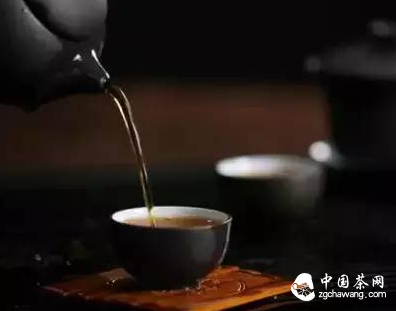
For water, generally, commercially available mineral water can basically meet the needs of brewing tea. Tap water, due to its higher hardness and more impurities, is not recommended for brewing tea. Those seeking premium results can also try boiling water with an iron or silver kettle to increase water temperature and improve water quality.
6. Storage
Once, a tea friend brought their own tea for everyone to taste. Those who drank it all said they detected a strange "foreign fragrance"—a smell of soap. After some investigation, it was found that the tea's packaging bag was damaged, and the tea had indeed been stored next to a bar of soap.
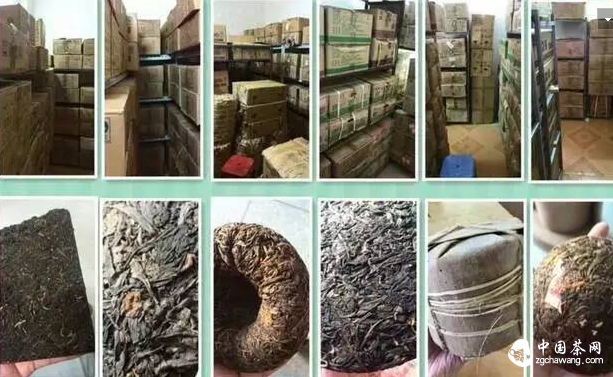
Tea leaves absorb odors very easily. This reminds everyone to prepare a sealed bag for single cake storage to avoid such tragedies recurring. It is often said that tea is "three parts leaf, seven parts storage." Storage is crucial for tea preservation. Without proper storage, not only will the tea's taste deteriorate, but it may also become completely unusable.
[Conclusion]
Many tea friends feel that "the tea I brew doesn't taste good" or "what I brew is not the same as what the tea art master brews." Actually, this mainly stems from overlooking some small details in brewing and not being familiar with some quantifiable metrics. As long as you communicate widely, observe carefully, and practice continuously, your brewing skill will improve significantly in no time.
"The so-called tea ceremony is a gentle exploration of perfection within an admittedly imperfect life." A perfect cup of tea is the positive result achieved through countless tentative brewings. The author indicates that after purposefully ruining countless batches of tea, one naturally learns to brew an excellent cup. Tea friends, strive on.