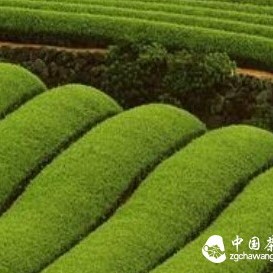
Learn About Autumn Tea
Autumn tea is harvested in the fall, when less rainfall and dry climate help preserve the aroma of the tea leaves. Its liquor and taste fall between spring and summer teas, with a mild fragrance. Traditionally, it is said that spring tea is bitter, summer tea is astringent, but autumn tea is good to...
Tea News · Jun 10, 2026
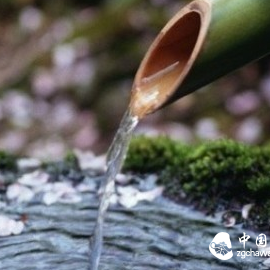
Water Determines the Quality of Tea!
Water is a crucial factor in tea brewing. Even the same tea can taste different at home compared to in a store, often due to water quality. Different water types—such as tap water, spring water, river water, snow water, and well water—each have unique effects on tea's flavor and aroma. While spring...
Tea News · Jun 04, 2026

Amazing! Besides drinking and eating, what else can tea leaves be used for? — 7 Household Uses of Tea
Tea leaves have many practical uses beyond drinking. They can effectively absorb odors in kitchens, furniture, and shoes; remove dust, grease, and stains from windows, furniture, and clothing; help prevent mold by absorbing moisture; restore the color of faded clothes; be made into pillows or sachet...
Tea News · Apr 29, 2026
Pu-erh Tea Paste
Pu-erh tea paste is a high-grade solid instant tea produced by processing and fermenting the large-leaf tea varieties native to Yunnan, then separating the fibrous material from the tea juice through a special method, and finally reprocessing the extracted tea juice. Its origins can be traced back t...
Tea News · Apr 22, 2026
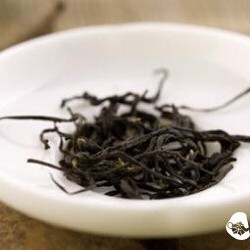
Do You Know the Five Key Points of Drinking Tea?
Tea drinking is an art with many nuances. This article outlines five essential considerations: first, brewing a good pot requires attention to tea leaves, water, temperature, time, and utensils. Second, tea is not suitable for everyone; individuals with certain health conditions like insomnia, heart...
Tea News · Apr 22, 2026
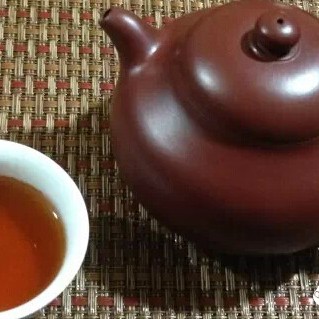
Tea drinkers should know how to choose a teapot according to the tea!
Choosing the right teapot for a specific tea is an essential skill for tea enthusiasts, requiring practice and exploration. The process involves matching the teapot to the tea to enhance the brewing experience and the tea's flavor. Key considerations include the teapot's shape, capacity, craftsmansh...
Tea News · Apr 21, 2026
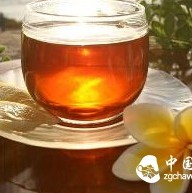
What is black tea and what are its effects?
Black tea is a type of fermented tea, made from one bud and two or three leaves of the tea plant. It undergoes a series of typical processes including withering, rolling (cutting , fermentation, and drying. The name 'black tea' comes from the predominant red color of its dried leaves and the brewed...
Tea News · Apr 21, 2026
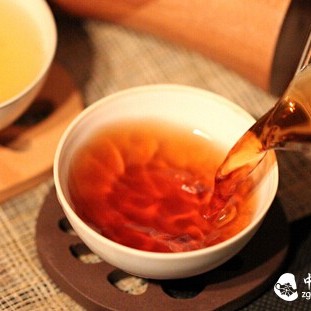
It's Important to Have a Pot of Pu-erh Tea in Winter! Teaching You How to Brew Pu-erh Tea
Brewing an excellent pot of Pu-erh tea requires proper technique. The process begins with selecting suitable tea utensils. A teapot with a large belly, such as a purple clay or ceramic pot, is ideal, as its porous structure helps preserve the tea's aroma and flavor. A tea knife is essential for brea...
Tea News · Apr 19, 2026
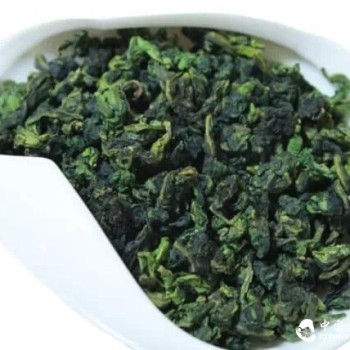
What are the differences between the five main aroma types of Tieguanyin?
Tieguanyin tea is categorized into five distinct aroma types based on processing techniques and flavor profiles. The Light Aroma type is lightly fermented, featuring a clear, green liquor and a fresh, slightly sour taste, appealing for its visual appeal and light flavor but may be harsh on sensitive...
Tea News · Apr 18, 2026
What are the quality characteristics of Dianhong tea?
Dianhong tea, a renowned Chinese black tea, is distinguished by two primary quality features. Firstly, it is characterized by its prominent fine hairs (hao , which vary in color from pale yellow, chrysanthemum yellow to golden yellow depending on the region and harvest season. Secondly, it is celebr...
Tea News · Apr 14, 2026