Finding good raw tea is relatively easy, essentially a matter of price, but finding good ripe tea is extremely difficult. This is my deepest feeling from years of exploring Pu-erh tea. When I think of raw tea, many worthy options immediately come to mind, but for ripe tea, they are very limited. Too much dissatisfaction with ripe tea has given it a bad reputation.
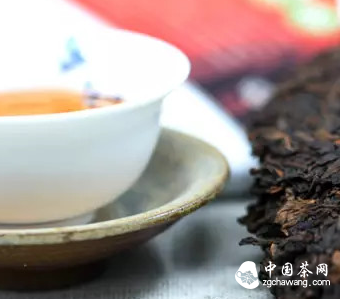
In the world of Pu-erh tea, the production of ripe tea far exceeds that of raw tea. However, there is more or less a sense of disdain towards ripe tea, such as veteran tea drinkers avoiding it or believing it lacks aging value. In response to these views, I present some of my own perspectives and conjectures—
1. Ripe tea is a tea with immense potential;
2. Ripe tea also has aging value and can become more fragrant over time;
3. The taste profile of ripe tea can be made even richer;
4. Ripe tea still exhibits differences based on mountain origin and the season (spring, summer, autumn) of the leaves used for fermentation.
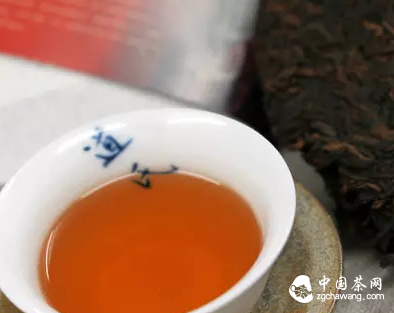
The contribution of ripe Pu-erh tea is not merely about accelerated aging for immediate consumption. The unique taste of ripe tea itself holds an incredibly charming allure. However, at this stage, our understanding of ripe tea is still far from sufficient. Many may have this experience: a person who doesn't often drink tea likely forms their impression of Pu-erh from ripe tea—that it has a red soup and aids weight loss. For someone unaccustomed to tea, a normal ripe tea is easier to drink than raw tea. For someone with modest tea-drinking requirements, offering Lao Ban Zhang might not be suitable; perhaps the 'Menghai flavor' is more to their taste. In most restaurants, when ordering Pu-erh tea, what is served is undoubtedly ripe tea. Therefore, I believe ripe tea is a tea with immense potential, and its reasonable share in the Pu-erh market should exceed 90%. This implies that the highest quality raw materials could be used to produce ripe Pu-erh, typically reserved for aging, while regular conventional tea should also be used to ferment ripe tea.
Ripe tea needs a revolution—this concept encompasses the following ideas:
1. Summer and autumn leaves from first-tier ancient tea trees should be used to ferment ripe tea; the specific advantages need to be demonstrated through practice. The taste might not necessarily be the best, but it certainly won't be bad. I don't want to hear any definitive positive or negative statements. All conjectures and inferences are inferior to practice, to actually fermenting a batch of tea to illustrate the point.
2. Spring, summer, and autumn leaves from second-tier ancient tea trees can also be used to ferment ripe tea.
3. Leaves from small bush/plantation tea trees and tea from high-altitude regions can also be used to ferment ripe tea.
The above three points are precisely what is lacking in the current Pu-erh tea industry. The future direction of ripe tea lies in breakthroughs in raw materials; without this, significant quality improvement is impossible. From an industrial perspective, as ripe tea has developed to this point, the biggest obstacle to moving forward is the manufacturers, the producers' complacency and resistance to change.
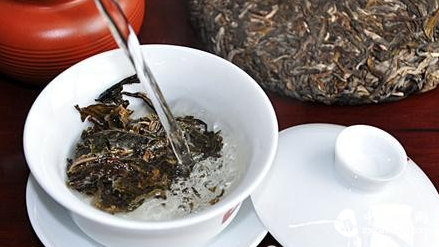
The taste of ripe tea can be made very rich. Based on different raw materials and fermentation methods, and through current practices at Da Dian, the taste of ripe tea can be varied and complex. However, disorder and lack of standards are insufficient to drive the development of the Pu-erh tea industry. It is time to establish a standard that allows consumers to clearly distinguish between good and bad tea, enables manufacturers to define clear grades, increases the transparency of Pu-erh tea, and reduces the difficulty of purchasing. This standard can be understood more easily by referring to raw tea, namely: fermentation of spring, summer, and autumn tea should command different prices. Tea from famous mountain ancient trees, high-altitude regions, and low-altitude flatlands have different costs, and thus their prices should differ.
All of this is based on one assumption: within the same region, ripe tea fermented from spring, summer, and autumn leaves has distinct quality differences. Similarly, tea from famous mountain ancient trees, high-altitude regions, and low-altitude flatlands should also show clear differences in fermentation results. With quality differences in fermentation results as the foundation, leading to price distinctions and constructing a system that is clear at a glance for consumers, is essential for the future development and appreciation of ripe tea.