How to Distinguish Green Tea, White Tea, and Yellow Tea
Green tea is completely unfermented, retaining its natural green color through steaming or pan-firing. White tea is lightly fermented (10-20% , with silver-white buds and a sweet, mild flavor. Yellow tea, also lightly fermented, undergoes an additional high-temperature yellowing process, giving it a...
Tea News · May 28, 2026
Must Old Tea Be Good? You've Been Deceived!
In today's tea market, aged tea is prevalent. However, the belief that 'older is always better' is a misconception. Whether new or aged tea is superior depends on several factors: the tenderness of the leaves and the degree of fermentation. For instance, fully fermented teas like black tea are best...
Tea News · Apr 22, 2026

Black Tea, the Most Internationally Recognized Tea!
Black tea, named for its dark red dried leaves, reddish infusion, and transparent red liquor, is a fully fermented tea. Its processing involves withering, rolling, fermentation (until the leaves turn red , and drying. Originating in Fujian during the Ming Dynasty and flourishing in the Qing, black t...
Tea News · Apr 04, 2026
Ripened Tea is the Difficulty and Focus of Pu-erh Tea. Do You Understand Ripened Tea?
Ripened Pu-erh tea is considered the core challenge and focal point within the Pu-erh category. Its complexity stems from significant information asymmetry, making it difficult for consumers and even some experts to fully comprehend. Objectively, barriers like limited access to witness the entire 'w...
Tea News · Mar 16, 2026
Old Tea: To Collect and to Share
Old tea head is a subcategory of Pu'er tea, formed from clumps that develop during the fermentation process. These lumps are a result of artificial pile fermentation. When brewed, it produces a strong, rich tea soup that is highly resistant to multiple infusions. Its characteristics include a mellow...
Tea News · Feb 13, 2026
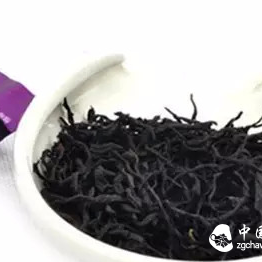
Misunderstandings about Tieguanyin Black Tea and Its Differences from Other Black Teas
Tieguanyin Black Tea is often misunderstood as a type of black tea, but traditional Tieguanyin is actually an oolong tea (semi-fermented . Tieguanyin Black Tea is a unique product that combines the processing methods of both Tieguanyin and black tea. It uses Tieguanyin fresh leaves as raw material a...
Tea News · Feb 12, 2026
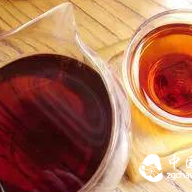
Various Aromas of Pu-erh Tea (Raw and Ripe)
Pu-erh tea is renowned for its complex and evolving aroma profiles, which differ significantly between raw (sheng and ripe (shou varieties. Raw Pu-erh tea typically exhibits fresh, floral, and sweet aromatic notes such as floral, orchid, honey, woody, and rock sugar scents, often associated with s...
Tea News · Jan 30, 2026
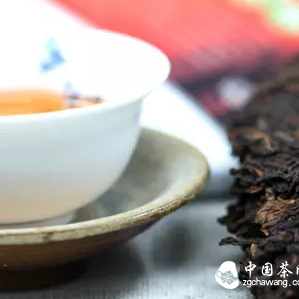
The Raw Material Revolution of Ripe Pu-erh Tea
This article discusses the current state and future potential of ripe Pu-erh tea. The author argues that ripe tea is highly promising, possesses aging value, and can develop richer flavors. Currently, the market is dominated by lower-quality raw materials for fermentation, leading to widespread cons...
Tea News · Jan 13, 2026
A Detailed Account of Ripe Pu-erh Tea
Ripe Pu-erh tea undergoes artificial fermentation, developing a unique aroma and taste. It has a mild tea nature, helps regulate vital energy, warms the middle, and nourishes the stomach, offering significant health benefits. When brewed, it yields a thick, deep reddish liquor with a smooth and gent...
Tea News · Dec 13, 2025
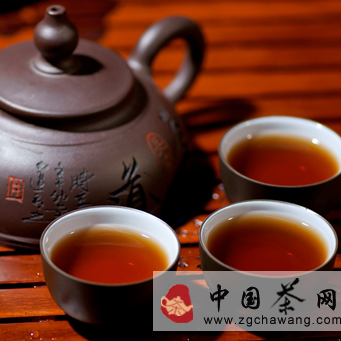
Production and Taste Explanation of Ripe Pu-erh Tea
Ripe Pu-erh tea undergoes an artificial fermentation process, resulting in a unique aroma and flavor profile. It is characterized by a mild tea nature, believed to help regulate qi and warm the stomach, offering significant health benefits. When brewed, it yields a thick, deep reddish liquor with a...
Tea News · Dec 07, 2025