When brewing tea in a teapot, it is customary to discard the first infusion, a practice known as "washing tea." Some tea enthusiasts explain that this is done to rinse away impurities from the tea leaves, such as tea dust or dirt. They consider those who do not "wash tea" to be "unhygienic" or "lacking knowledge of tea art." But have you ever considered that this "washing" may inadvertently rinse away the essence of the tea?
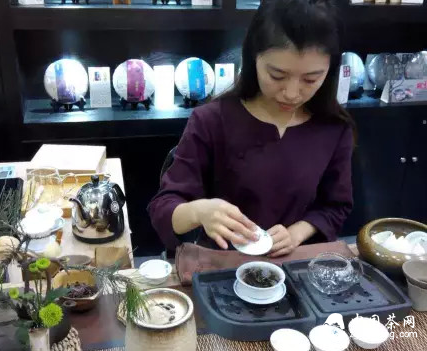
In fact, according to scholarly research, the term "washing tea" originated in the Northern Song Dynasty. It was initially used in the context of tea processing and later extended to the tea drinking process. Fresh leaves undergo multiple steps after being picked—including primary processing, refining, fermentation, pan-firing, rolling, baking, and sorting—which not only determine the tea's grade but also ensure it meets hygiene standards. Any occasional impurities, such as tea dust or dirt, are quickly removed when boiling water is poured and discarded. The purpose of the first infusion is mainly to steep the leaves, facilitating their unfurling and the release of tea essence, allowing the drinker to quickly appreciate the tea's aroma, rather than simply rinsing away unhygienic elements.
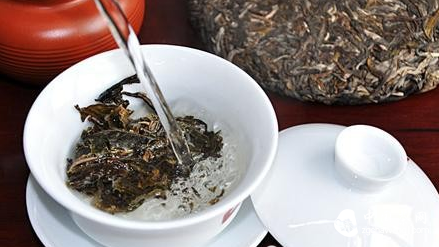
The first infusion contains many beneficial components, such as tea polyphenols, amino acids, and ether extracts, which are not only good for health but also fully showcase the tea's flavor. According to relevant experiments, the aroma and health-benefiting compounds of tea begin to infuse within three seconds after the first brew. If the tea is discarded after more than three seconds, a significant amount of these effective components will be lost. From a market-economy perspective, to expand the sales of Chinese oolong tea and achieve leapfrog sustainable development, it would be more accurate and scientific to revise the term "washing tea" to "steeping tea" or "warming tea."
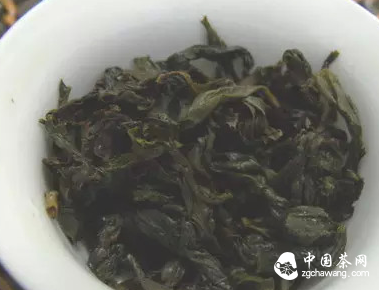
Washing tea, also known as "awakening tea," is primarily intended to revive the tea's character, allowing it to better integrate with water and showcase its most distinctive qualities. Loving tea, cherishing tea, and awakening tea are all essential parts of the process.