Drink white tea? Just steep it, why go through the trouble of brewing it? That's right, steeping tea is quick and convenient for getting a cup of tea. Brewing, on the other hand, takes time and requires mastering the heat. Too troublesome! Tea enthusiasts know that white tea is quite durable for multiple steepings, capable of over twenty infusions with ordinary steeping methods, and still tasting good towards the end. If aged white tea is brewed in a purple clay pot, it can fully reveal its charm and essence; new tea can be steeped according to personal preference, with seven infusions still tasting excellent, making it a top-grade new tea.
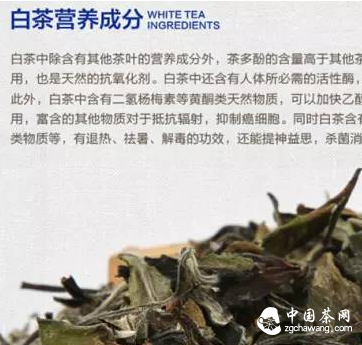
Without further ado, how to brew it?
Aged white tea belongs to the category of aged tea, known for its durability. According to your needs, place an appropriate amount of tea leaves and cold mountain spring water (purified water works too) into the pot together.
Turn on the heat to bring it to a boil, then simmer gently over low heat (too high heat will dry out the tea water, so avoid that). Just keep the pot from cooling down, and you can pour and drink once ready. Those who prefer stronger tea can brew it a bit longer, while those who don't need it too strong can brew it for less time. The sweetness of the tea soup is surprisingly delightful.
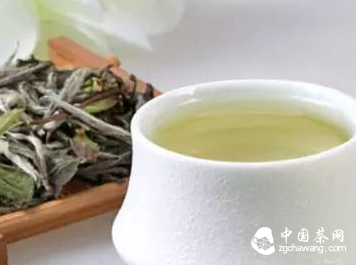
Here's another pro tip for everyone
The first and second infusions of aged white tea can be prepared using the steeping method, pouring the liquor into a fairness cup. For the third infusion, transfer the tea leaves to a handled pot for brewing. After brewing, mix the resulting liquor with the previously steeped tea liquor and taste the difference compared to directly brewed tea. The idea is that components prone to decomposition during prolonged brewing are first extracted through steeping, and mixing with the brewed tea soup creates a more complex flavor profile.
For brewing aged white tea, some use handled purple clay pots, some use earthenware pots, some use silver pots, and some even use coffee machines. (Using a coffee machine to steam aged white tea with steam results in a bright liquor color, clear tea soup, and good tea aroma.)
But if you desire that rich, mellow, and thick flavor, brewing in a purple clay pot is an excellent choice. It can also help remove any potential miscellaneous or off-flavors from years of storage, while allowing the tea and water to fully integrate and extract all the flavors. (Specially made handled purple clay pots are required, as ordinary purple clay pots may crack on electric stoves.)
Brewing white tea in a silver pot: Not only can it sterilize, but it also softens the water, making it sweeter and more refreshing. So, brewing white tea in a silver pot is also a good option.
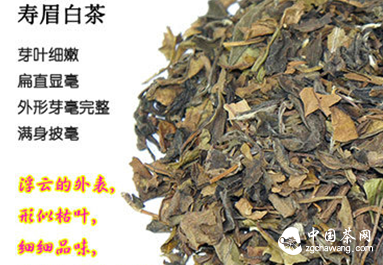
Now that you've learned the art of brewing tea, which type of white tea is more suitable for brewing?
Actually, "Shou Mei" among white teas is more suitable for brewing!
Because Shou Mei has larger leaves and stems, it contains richer substances and is more durable for brewing. For white teas of the same age, aged Shou Mei yields a stronger, more robust flavor and a more pronounced herbal aroma when brewed.