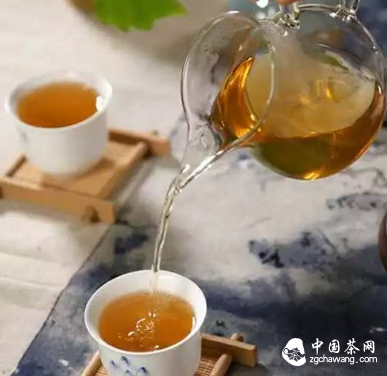
Many people have the habit of drinking tea. Especially in dry weather, drinking tea in a timely manner to replenish water can not only adjust our physical state but also quench thirst and clear the mind, making it a very healthy choice. However, not just any cup can brew all good teas—there is a lot of nuance here! Follow along as we delve deeper into this topic.
Brewing tea is a common habit among many friends, but many are unfamiliar with cup selection and don't know which type of cup is best for brewing tea. So, which kind of cup is truly health-preserving for brewing tea?
The choice of teacup is very important. A good cup can help bring out the health benefits of tea.
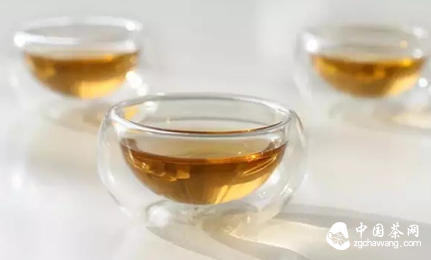
For many, the first thing after starting work is to make a cup of tea. Among them, a significant number love using insulated tumblers: fill it with hot water, add a handful of tea leaves, screw on the lid, and enjoy warm tea all day. In fact, this practice reduces the health benefits of tea and ruins its flavor.
Tea is rich in various nutrients, such as vitamins, minerals, as well as pharmacologically active components like tea polyphenols, caffeine, and tannins. However, these nutrients are sensitive to sustained high temperatures. When tea leaves are steeped in high-temperature water for a long time, the tea liquor becomes dark, more bitter, and astringent. Aromatic compounds evaporate faster, causing the tea to lose its proper fragrance. Tannic acid and theophylline easily leach out in large amounts, reducing its nutritional value. Moreover, nutrients like vitamin C are largely lost in environments above 80°C, diminishing the tea's health benefits.
Additionally, using enamelware to brew tea is also inadvisable. Enamelware tends to wear out over time, exposing the iron base. Metal components can then dissolve into the tea, turning the liquor yellowish and altering its original taste. Furthermore, enamelware dissipates and transfers heat quickly, causing the tea aroma to scatter easily.
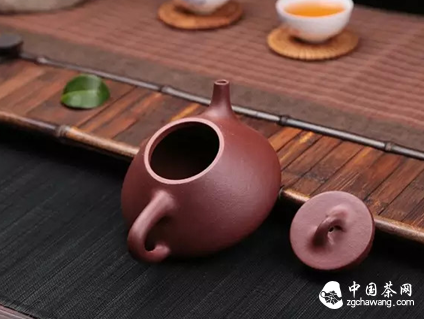
Therefore, to enjoy a cup of healthy, aromatic hot tea, it is best to use a purple clay (Zisha) or ceramic teapot for brewing. You can brew the tea first and then pour the tea liquor into an insulated tumbler. This method keeps the tea warm for a relatively long time while compensating for the loss of nutrients.
It's important to note that different teas require different water temperatures for brewing. Generally, green teas like Maojian, Longjing, and Biluochun prefer water at 80-85°C; Tieguanyin, Oolong tea, white teas like Gongmei or Shou Mei tea bricks, and post-fermented Pu'er teas favor boiling water; for brewing black tea, 90°C water can be used, though high-quality black tea can handle boiling water.
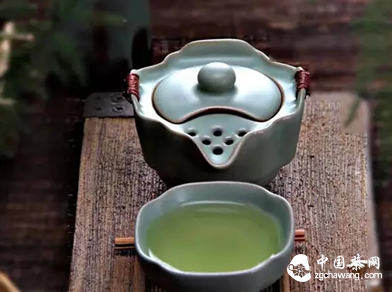
An ancient saying goes: "Tea is nourished by water, and water relies on the vessel." This statement highlights the importance of teaware in tea drinking. Good tea, good water, and a good tea-drinking environment create the overall setting for savoring tea. With the addition of fine teaware, the tea-drinking process becomes truly complete. Exquisite teaware brings us joy and a sense of ambiance while drinking tea. When selecting teaware, we generally follow the basic requirements of being suitable for brewing and drinking—practical and convenient. On this foundation, we then consider aspects like color, shape, and decoration. When choosing teaware, whether it's the color or texture, it should complement the characteristics of the tea, with the principle of maximizing the expression of the tea's quality. With this general direction, adjustments can be made based on personal preferences regarding color, shape, etc. So, is there a basic principle for pairing specific teas with specific teaware? The answer is yes. Below are recommendations for different teaware based on various types of tea.
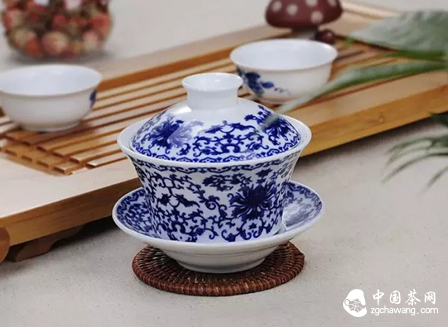
1. Green Tea: Can use transparent, patternless glass cups, or white porcelain, celadon, blue-and-white porcelain liddess cups, or gaiwans. Patternless glass cups are best because they allow for better appreciation of the green tea's shape and color.
2. Yellow Tea: Can use milky white porcelain, yellow-glazed porcelain, or multi-colored porcelain pots, cups, gaiwans, and lidded cups with dominant yellow and orange hues. This makes the tea's color appear more vibrant.
3. White Tea: Can use white porcelain pots and cups, or black-glazed porcelain teaware with high contrast, to highlight the tea's white hairs (baihao).
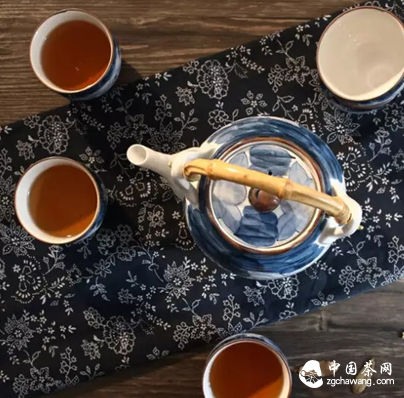
4. Black Tea: Can use purple clay teaware with white-glazed interiors, white porcelain, red-glazed porcelain pots, gaiwans, and lidded cups. This better accentuates the black tea's agate-like liquor color.
5. Oolong Tea: Can use white porcelain pots, gaiwans, lidded cups, or purple clay teaware. This complements the tea's color and concentrates its aroma.
6. Dark Tea (Heicha): Can use purple clay pots, white porcelain cups, or easy-strainer cups (piao yi bei).
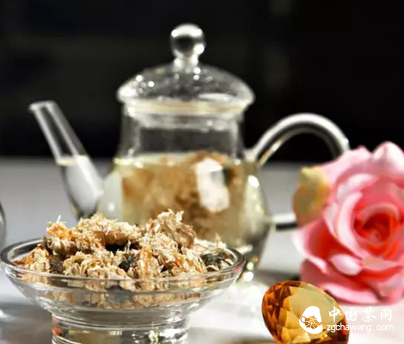
7. Scented Tea (Flower Tea): Can use celadon, blue-and-white porcelain, or famille-rose porcelain pots, gaiwans, and lidded cups. Because scented tea requires steeping with the lid on, the lid helps concentrate the aroma. When the lid is lifted, the fragrance wafts out, best showcasing the quality of the scented tea.
Following the above principles to pair teaware with different types of tea can better highlight the tea's color, shape, and aroma, making the tea-drinking process more perfect. Teaware comes in various shapes, numerous colors, and exquisite, unique designs, adding indispensable charm to tea drinking. We believe everyone can appreciate the visual enjoyment that teaware brings during daily tea sessions.