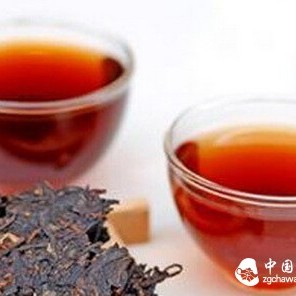
Don't Fall into These Pu'er Tea Misconceptions
Pu'er tea is often misunderstood: new tea can be enjoyed immediately if the raw material is good, and aging is not the sole factor for quality. Proper storage at home is easy as long as odors are avoided. Repeatedly boiling water for brewing should be avoided, and tea cannot replace water in daily h...
Tea News · May 27, 2026
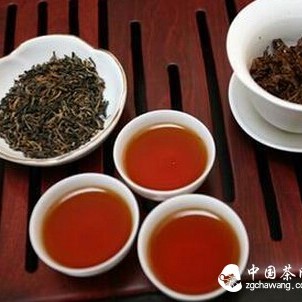
Tea Lovers, Come Answer the Questions!
This article answers seven common questions about tea, covering topics such as the brewing temperature for high-grade black tea, the distribution of tea regions in China, the impact of sunlight on tea flavor, whether more "golden flowers" in dark tea indicate better quality, the difference between w...
Tea News · May 20, 2026
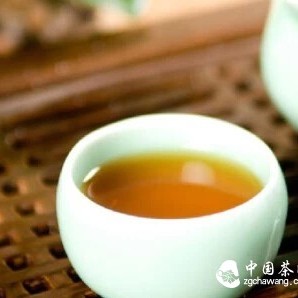
Do you need to "rinse tea" when brewing?
Many people habitually rinse tea before brewing, but is it necessary? This article points out that rinsing tea is not for cleaning off dust or pesticide residues, but rather to wet the tea leaves and help release their flavor. It warns that overly long rinsing can wash away nutrients like amino acid...
Tea News · May 12, 2026
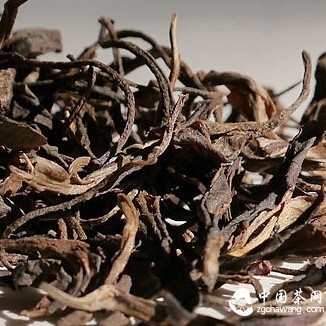
How to Master the Water Temperature for Brewing Pu-erh Tea
The release of the 'true flavor' of tea leaves depends entirely on water temperature, hence the saying 'water is the mother of tea.' For brewing Pu-erh tea, the water temperature requirement is generally higher than for other teas. The principle 'tender leaves brewed with warm water, old leaves brew...
Tea News · Mar 31, 2026
Pu-erh Tea Tastes Different in Winter and Summer
The taste of Pu-erh tea can vary significantly between winter and summer, showcasing its complex and changeable nature. In winter, the dry air tends to make the tea taste more bitter and astringent when brewed at the same temperature compared to the humid summer months. This leads to the perception...
Tea News · Mar 27, 2026
How Many Times Is Best to Brew a Cup of Tea? Have You Ever Looked Into It?
In daily life, some people prefer to steep tea leaves repeatedly until the flavor fades, while others change leaves after just one or two infusions. So, which approach is correct? From a nutrient absorption perspective, bagged tea is best brewed only once, while loose-leaf tea should generally not e...
Tea News · Feb 28, 2026
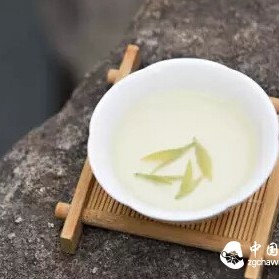
Brewing Mingqian Tea
Mingqian tea, known as the 'Beauty of Tea,' is characterized by its delicate buds, tender leaves, and elegant aroma. Brewing it properly is an art that requires patience and a calm mind. It is recommended to let the newly processed tea rest for about two weeks before drinking to mellow its flavor. T...
Tea News · Feb 24, 2026
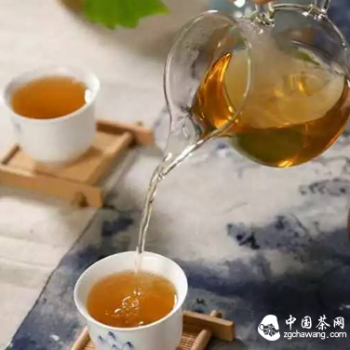
Drink for Health: Pair Different Types of Tea with Different Tea Sets!
Drinking tea is a healthy habit, especially in dry weather, as it hydrates the body, refreshes the mind, and offers numerous health benefits. However, using the right teaware is crucial for bringing out the best in each tea. This article explores the importance of matching tea types with appropriate...
Tea News · Jan 20, 2026
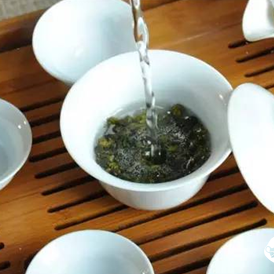
Is There a Relationship Between Tea Foam and Tea Quality?
When brewing tea, the foam that forms is primarily caused by substances like tea saponin, proteins, solid powders, and charcoal dust present in the tea leaves. Tea saponin, in particular, is a natural foaming agent. The amount of foam is not an indicator of tea quality. For instance, teas with fine...
Tea News · Jan 07, 2026
All About Tea, Are You Drinking It Right, Tea Enthusiasts?
This comprehensive guide explores over 70 different types of teas and their unique health benefits. From traditional Chinese teas like Tieguanyin and Pu'er to herbal infusions like chrysanthemum and lavender, each variety offers distinct advantages. Green teas like Longjing and Biluochun help with a...
Tea News · Nov 20, 2025