What is aged tea? The rarity of old tea leaves lies in the aging time. By selecting high-quality Pu'er tea and storing it scientifically, one can enjoy a premium aged tea with a clear, oily soup color, a delicate aged aroma, a smooth and mellow texture, and a rich, sweet taste. What exactly is aged tea? How can we identify it when making a purchase?
New tea and aged tea are relative terms. Conventionally, the first few batches of fresh leaves picked from tea plants in spring or tea processed from leaves harvested in the current year are called new tea. Tea processed from leaves harvested in the previous year or even earlier, even if stored scientifically, is generally referred to as aged tea. Some tea experts categorize tea stored for 1-5 years as new tea; 5-10 years as old tea; 10-20 years as aged tea; and over 20 years as well-aged tea or simply old tea.
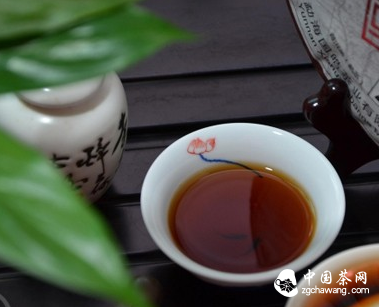
"Drink tea when it's new, drink wine when it's aged" is a long-standing summary of drinking culture. For most tea varieties, new tea is indeed considered better. However, this is not true for all teas. Some tea varieties actually improve in quality after being stored for a period. Aged tea undergoes changes over time, altering its original nature, suppressing negatives and enhancing positives, resulting in a transformation process that is more beneficial to humans. For example, Wuyi Rock Tea has a tradition of "aging before drinking." Traditionally, Wuyi Rock Tea is highly roasted. Drinking it immediately after roasting can cause a dry sensation due to unresolved "fire energy," so it is generally stored for a while before consumption, making the taste more mellow.
Furthermore, roasted tea not only stabilizes and improves tea quality but also allows for long-term storage. Especially after five, ten, or even more years of aging, the flavor becomes richer and more mellow. Examples include Hubei Qingzhuan Tea, Hunan Fuzhuan Tea, Yunnan Pu'er Tea, and Guangxi Liubao Tea. If stored properly, these teas not only do not deteriorate but can even improve in quality. This is because during storage, two main types of aromas develop: one is the aged aroma formed during slow maturation, and the other is a slight mustiness from minimal mold. These two aromas interact and coordinate, producing a new fragrance that people enjoy.
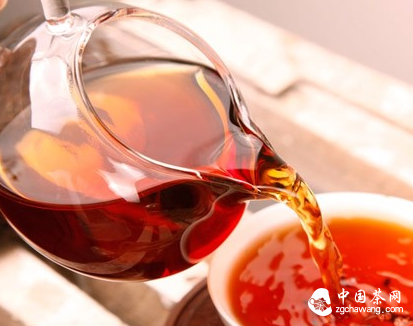
Furthermore, roasted tea not only stabilizes and improves tea quality but also allows for long-term storage. Especially after five, ten, or even more years of aging, the flavor becomes richer and more mellow. Examples include Hubei Qingzhuan Tea, Hunan Fuzhuan Tea, Yunnan Pu'er Tea, and Guangxi Liubao Tea. If stored properly, these teas not only do not deteriorate but can even improve in quality. This is because during storage, two main types of aromas develop: one is the aged aroma formed during slow maturation, and the other is a slight mustiness from minimal mold. These two aromas interact and coordinate, producing a new fragrance that people enjoy.
If you want to purchase authentic old tea, it's best to choose reputable brand tea companies or tea merchants with good market standing. You can also identify it through the following methods:
1. Appearance: Genuine old tea leaves turn brown, deep brown, or even black, with a natural color. They emit an aged aroma when smelled, sometimes similar to Pu'er. For tea over 30 years old, hand-picking was more common, with less scissor-cutting. Tea over 50 years old is all hand-picked, appearing strip-shaped because tea processing at that time did not involve rolling.
2. Tea Soup: For very old tea, the leaves may not fully unfurl after brewing, some showing signs of lignification. If the leaves appear glossy black, it's often "fresh old tea" artificially aged with charcoal roasting, not genuine aged tea. For example, Oolong tea aged about 30 years yields a light amber tea soup, while over 40 years results in a darker color.
3. Taste: Aged tea is rich, mellow, and sweet, with a slight hint of acidity. True aged tea is not charcoal-roasted, as charcoal-roasted tea can cause internal heat. Therefore, aged tea should not have a charcoal taste. Moreover, the concept of charcoal roasting is a recent development. Aged tea undergoes long-term natural fermentation, resulting in a smooth, natural, sweet taste without sharpness, being warm, mellow, and enduring through multiple infusions.
4. Storage: Shortly after opening packaged old tea, if the tea soup turns slightly sour, this is due to the activation and transformation upon contact with air. It should return to its original fragrant and mellow taste after a few weeks. This is a sign of truly aged "live old tea."
What is aged tea? Chinese tea is diverse and rich. In fact, every type of tea has its merits. Both new tea and old tea have their unique characteristics. As long as it suits your taste, it is good tea.
Source: Network Reprint
Editor: Tea Bubble Net Xiaolin