Modern people have less physical activity and more high-fat, high-calorie diets, leading to an increase in metabolic diseases. If one regularly drinks Tibetan tea, it can help solve a significant portion of "urban lifestyle" health problems.
Tibetan Tea
Chinese Tibetan tea has been recorded since the Tang Dynasty, making it an ancient tea with a history of over a thousand years. Tibetan tea is the main daily beverage for nearly three million Tibetan compatriots and is also known as the "livelihood tea" of the Tibetan people. Throughout history, depending on the period and regional customs, it has been called big tea, horse tea, dark tea, black tea, coarse tea, Southern Border Tea, brick tea, strip tea, compressed tea, cake tea, border tea, etc. It is made from mature tea leaves and red moss harvested from mountains above 1,000 meters in altitude, processed through special techniques into a fully fermented tea. Tibetan tea is a typical black tea, with a deep brown color and full fermentation.
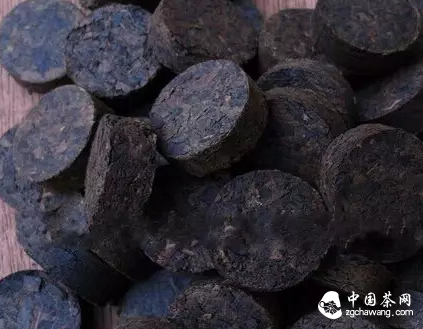
Definition of Tibetan Tea
1. By origin: Refers to the fully fermented brick tea made from small-leaf varieties, specifically produced in the Han region of Xikang (now within Ya'an City, Sichuan Province) for Tibet and surrounding Tibetan-inhabited areas;
2. By demand: The high-altitude, oxygen-deficient, high-radiation environment of the Tibetan Plateau requires residents to consume high-fat, high-sugar foods to adapt. Tibetan tea becomes essential for digesting grease and supplementing vitamins. Since high-altitude regions do not produce tea, tea had to be transported from Han regions to the plateau, forming supply lines (Tea Horse Road, Southern Border Tea). Tibetan tea is thus called the "livelihood tea" of Tibetan compatriots;
3. By ethnic material complementarity: Throughout dynasties, Tibetan tea was used as a tool for trading warhorses and managing Tibetan communities, once making tea a political bargaining chip, most strictly during the Ming Dynasty's Hongwu period. After the founding of New China, with improved status of ethnic minorities, Tibetan tea became a bridge for ethnic friendship.
4. By economy: Historically, due to chaotic currency systems in Tibetan regions and a serf-based society, barter was mainstream. Tibetan tea was traded by the "strip" (bamboo-strip bundles of 10kg or 5kg) as a value standard. Moreover, as Tibetan tea gains value with age, Tibetan people hoard strip tea as a store of value, often using it as currency during times of material shortage or economic depression;
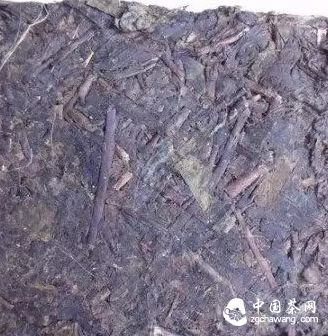
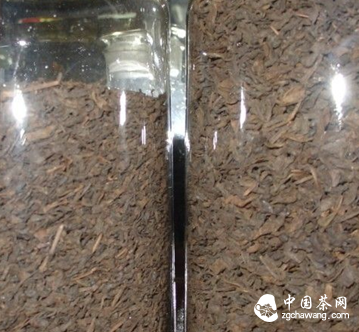
5. By production process: Tibetan tea involves the most time-consuming and complex procedures among all teas, generally requiring five major steps (mixing, smoothing, adjusting, shaping, aging) and thirty-two processes over about six months, following ancient methods. Standard Tibetan tea is dark brown with a sheen, possessing the four unique characteristics of "redness, richness, aged aroma, and mellowness."
Efficacy and Characteristics of Tibetan Tea
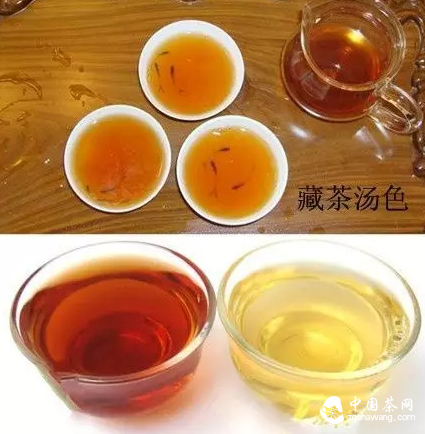
Appreciating Tibetan tea involves four unique qualities: "redness, richness, aged aroma, and mellowness." "Redness" refers to the translucent, vibrant red liquor; "richness" to the authentic, refreshing taste; "aged aroma" to the mature fragrance that intensifies with longer storage; "mellowness" to the smooth, non-bitter, sweet, and full-bodied flavor.
Modern medical research indicates that Tibetan tea, made through special prolonged fermentation, contains nearly 500 types of beneficial organic compounds, about 700 aroma compounds, and rich inorganic substances including at least 15 minerals like phosphorus, potassium, magnesium, and selenium. It has the following efficacy characteristics: 1. Antioxidant effects; 2. Effects on lowering the three highs (blood lipids, blood sugar, blood pressure) and inhibiting arteriosclerosis; 3. Anti-radiation, anti-mutation, and antiviral effects; 4. Regulating gastrointestinal function and improving metabolism; 5. Detoxifying and improving water quality; 6. Comprehensively supplementing trace elements and vitamins.
With deepening research on tea and health, many previously unknown benefits of Tibetan tea have been discovered. "Tibetan tea healthcare" has sparked热潮 (a wave of enthusiasm) both domestically and internationally. Due to its multifaceted, bidirectional regulatory functions, Tibetan tea has a very broad applicability. People of all ages and body types can benefit from drinking it. Depending on taste or physical condition, it can be blended or mixed with fruits, honey, dairy products, spices, butter, or other herbs. Tibetan tea remains fresh over time; besides maintaining its original quality, it allows added ingredients to release their characteristics. This highlights Tibetan tea's great包容性 (inclusiveness) as a foundational health product.
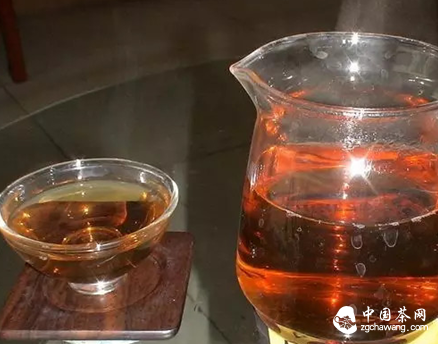
Tibetan tea has many positive effects on human health. It contains large amounts of tea polysaccharides, tea polyphenols, various minerals, vitamins, cellulose, and organic compounds, greatly benefiting health. Regular consumption can help lower blood lipids, prevent arteriosclerosis, reduce blood sugar, control blood pressure, and provide antioxidant, anti-radiation, and even anti-mutation effects. Tibetan tea is a staple beverage for preventing tumors. Tibetans living on the high-altitude, oxygen-deficient, fruit-and-vegetable-scarce, high-radiation Qinghai-Tibet Plateau are generally robust and adaptable to harsh environments, closely linked to their daily consumption of Tibetan tea. Their lifestyle is almost "three times tea a day, one meal a day; rather go three days without food than one day without tea." The per capita annual consumption of Tibetan tea among Tibetans is around 8,000 grams, sometimes reaching 15,000 grams, indicating its vital importance to health.
Modern people have less physical activity and more high-fat, high-calorie diets, leading to an increase in metabolic diseases. If one regularly drinks Tibetan tea, it can help solve a significant portion of "urban lifestyle" health problems.