Many tea-drinking friends are very particular about cleanliness, especially regarding items on the tea table. Even a slight stain can make the tea session feel very awkward, so they often clean. However, there are many 'hygiene blind spots' on the tea table. You might think they are clean, but in reality, they are already extremely dirty.
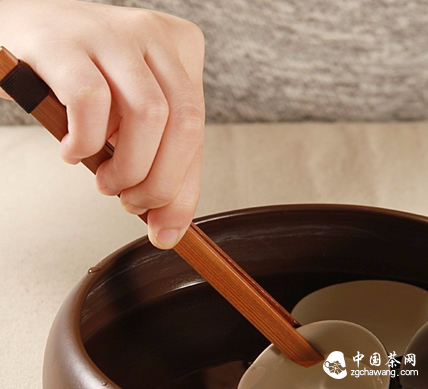
What's Being Clipped Isn't Tea, It's Bacteria
Tea clips are often made of wood. With long-term use, the wood gets soaked with water, leading to significant bacterial growth. Alternatively, water droplets may flow along the clip's body into the six-tool holder, eventually forming a dark, dirty mass inside. Moreover, the six tools left casually on the table not only collect dust but may also be crawled over by insects and moths.
The best solution is to wash the tea clip immediately after use, then dry it with a clean cloth or handkerchief. Additionally, store the six tools in a six-tool holder or a dedicated tea clip stand. In simple terms, maintain your tea clip just as you would your chopsticks.
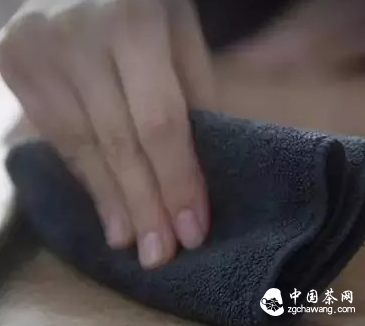
The Multipurpose Tea Towel: A Hub for Countless Bacteria
The tea towel is a handy item used in various aspects of tea brewing. However, most people use the same towel for all these purposes. Think about it: wiping the table, drying spills, cleaning the tea pick, handling overly hot lidded bowls, and some even use it to wipe their Yixing teapots. To make an inappropriate analogy, it's like using the same cloth at home to wash your face, feet, and hair. Furthermore, after washing, most people fold and leave the tea towel on the table like a rag, preventing it from drying promptly.
Therefore, it's best to prepare two tea towels if possible, each with its specific role. Wash them frequently and ensure they are dried as quickly as possible.
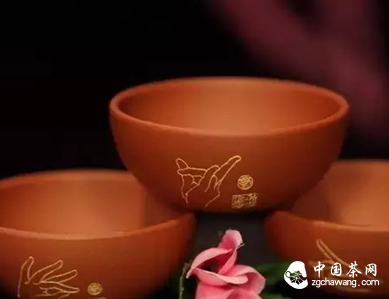
Nourishing the Pot, Not Bacteria
It's said that some tea enthusiasts who 'nourish' their teapots have a bad habit: they don't clean their Yixing teapots immediately after brewing tea. Instead, they leave the tea leaves and liquid inside to 'nourish' the pot for a while, only cleaning it when they remember. Leaving aside whether this actually nourishes the pot, this practice makes the teapot very dirty. The leftover tea leaves and liquid breed large amounts of bacteria. Moreover, Yixing clay has fine pores. If not cleaned promptly, it becomes an excellent hiding place for dirt and grime.
So, to ensure your Yixing teapot isn't a trash bin, here's some advice: nourish your pot properly and stay away from dubious methods.