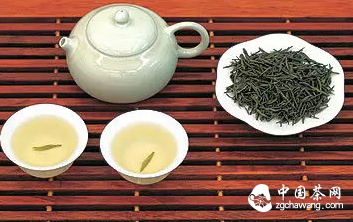
The drinking temperature of tea should be between 56°C and 60°C
Iranian researchers published a study in 2009 indicating that drinking a cup of hot tea daily can easily increase the risk of esophageal cancer. Furthermore, when the water temperature of the tea is between 65°C and 69°C, the risk of esophageal cancer doubles. Once the tea water temperature exceeds 70°C, the incidence of esophageal cancer increases eightfold. If tea is consumed within 2 minutes after being poured, the risk of developing esophageal cancer is about 5 times higher than if one waits for 4 minutes before drinking. Another study found that when drinking tea, a water temperature between 56°C and 60°C is more beneficial for health.
In addition to the increased cancer risk from excessively hot tea, if tea leaves contain pesticide residues, it may also be detrimental to health. If concerned about pesticide residues, one can discard the water from the first infusion. When brewing tea, open the lid to prevent trapping steam, as some pesticide substances may evaporate with the steam. When purchasing tea, try to choose organic tea for greater safety.
How many cups of tea per day?
Tea drinking must be moderate; avoid being greedy for quantity or strength. For normal individuals, especially middle-aged and elderly people, 4 to 5 cups per day is appropriate. Tea is better when it is light. Those who prefer strong tea should limit themselves to 1 to 2 cups of medium-strength tea per day. Drinking too much tea increases the amount of water in the body, adding burden to the heart and kidneys. Strong tea can overstimulate the brain, accelerate heartbeat, and lead to symptoms like frequent urination and insomnia. Brewing tea with boiling water is advisable.
How many minutes should tea steep?
Oolong tea should steep for about two minutes before being poured from the teapot into cups for drinking. Brewing tea with warm water does not extract beneficial chemical components as fully as using boiling water. However, when drinking, warm tea is preferable. One should not drink tea that is too hot or scalding, as it can strongly irritate the throat, esophagus, and stomach, potentially causing mucosal lesions in these organs. Cold tea and tea that has been steeped for too long should also be avoided, as cold tea can have side effects such as causing cold stagnation and phlegm accumulation in the body. Tea steeped for too long or left overnight sees a significant reduction in effective components and an increase in harmful microorganisms.
Five times when one should drink less tea
① Avoid drinking tea on an empty stomach, as the nature of tea enters the lung and stomach systems, can cool the spleen and stomach, and easily lead to "tea drunkenness."
② It is not suitable to drink tea immediately before or after meals. Drinking tea before a meal dilutes stomach acid, making food tasteless and affecting the digestive organs' absorption function.
③ Drinking tea immediately after a meal causes the tannic acid in tea to coagulate with proteins and iron in the food, affecting the absorption of these elements.
④ It is not advisable to take medicine with tea, as the tannic acid in tea can combine with many drugs to form precipitates, affecting the efficacy of the medicine.
⑤ Drinking tea after alcohol does not help sober up; it only harms the kidneys and damages the heart.
In addition to the above issues, it is also necessary to avoid drinking too much strong tea. Regularly consuming excessive amounts of strong tea can lead to fluoride poisoning. Daily tea consumption should be controlled within 5 grams, and one should drink less brick tea, which is high in fluoride.