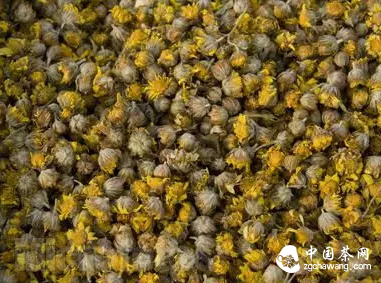
Chrysanthemum tea is a deeply popular beverage, commonly used as a Chinese herbal medicine in clinical practice, with a cultivation history of over 300 years in China.
Chrysanthemum tea has the effects of dispelling wind, clearing heat, calming the liver, and improving vision. It can be used to treat wind-heat colds, headaches, dizziness, red and swollen eyes, and blurred vision. According to modern pharmacological research, chrysanthemum also has various pharmacological effects such as antibacterial, anti-inflammatory, antioxidant, vasodilatory, lipid-lowering, anti-tumor, and lead-removing properties.
Chrysanthemum tea is very effective in relieving eye strain, blurred vision, and other eye symptoms, making it particularly suitable for office workers and others with high work pressure. However, some people may experience side effects from drinking chrysanthemum tea. Let's see if you are suitable for drinking it.
1. Pregnant women: Chrysanthemum tea is cold in nature and sweet in taste, with excellent fire-reducing effects. However, pregnant women have lower immunity and weaker spleen and stomach. Consuming chrysanthemum tea can easily irritate the stomach and intestines, causing symptoms like abdominal pain and diarrhea, which is not conducive to the healthy growth of the fetus.
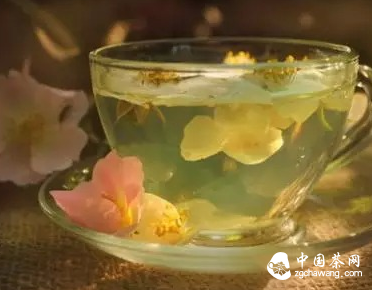
2. People with allergic constitutions: In reality, some people are allergic to chrysanthemum tea. Drinking it can cause allergic reactions such as skin redness, swelling, and rashes. Therefore, for those with allergic constitutions, chrysanthemum tea can have side effects and be detrimental to their health.
3. People with cold constitutions: Those with cold constitutions are characterized by fear of cold, weak bodies, weak spleen and stomach, and low immunity. Even in summer, they may experience symptoms like cold hands and feet, diarrhea, and gastrointestinal discomfort. Chrysanthemum tea, being cold in nature, will only worsen these symptoms and is not beneficial for their health.
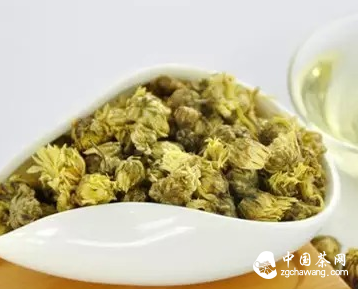
4. Some elderly people: While many believe that elderly people can drink chrysanthemum tea to lower blood pressure and cholesterol, and that it is safe in summer, the elderly have declining digestive functions and weaker spleen and stomach. Drinking chrysanthemum tea may potentially cause gastrointestinal diseases, so the elderly should be cautious.
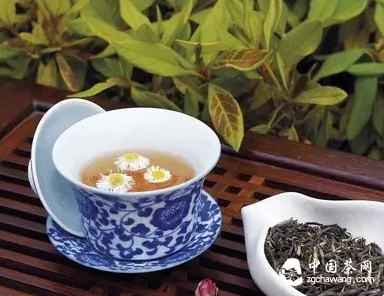
5. People with cold-type感冒 (Shanghan感冒): Generally, cold-type感冒 are caused by exposure to cold. The nature of chrysanthemum tea决定了 that individuals with cold-type感冒 are not suitable for drinking it during their illness. Additionally, those with a cold accompanied by咽喉炎 should definitely not drink chrysanthemum tea, as it can stimulate gastric acid secretion, aggravate咽喉 inflammation, delay recovery time, and reduce the quality of recovery.