Traditional Chinese Medicine believes that tea leaves can clear the head and eyes, aid digestion, and promote urination, making them a natural healthcare beverage. However, the pharmacological effects vary depending on the tea's place of origin and variety.
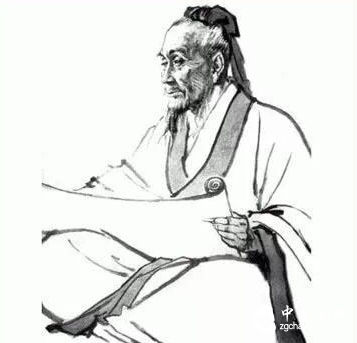
Tea produced in Anhui is called Songluo, primarily functioning to "aid digestion"; tea from Shaoxing, Zhejiang, is called Rizhu, specializing in "clearing internal heat"; tea from Fujian is called Jian tea, specializing in "warding off miasma"; tea from Liuhe is called Kuding, specializing in "relieving dysentery"; tea from southern Yunnan is called Pu'er tea, which combines the functions of aiding digestion, warding off miasma, and relieving dysentery. It is evident that there is great knowledge in using tea as medicine.
Moreover, Traditional Chinese Medicine also holds that just as there are four seasons—spring, summer, autumn, and winter—tea leaves have differences in their nature and flavor, being cold, hot, warm, or cool. Therefore, drinking tea should also vary according to the season.
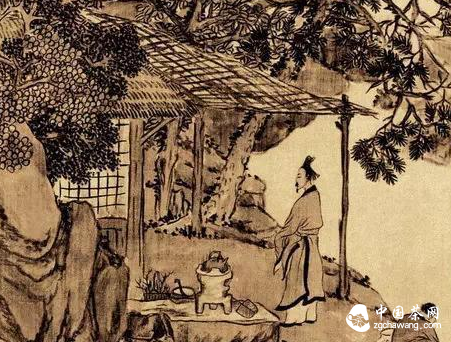
Spring is warm, with rising yang energy and descending yin energy, and all things revive. After a long winter, people have "accumulated internal heat," so attention should be paid to dispelling cold, resisting pathogens, and supporting yang energy to consolidate qi. At this time, it is suitable to drink scented tea and roasted oolong tea. Because scented tea has a strong fragrance that is uplifting but not floating, refreshing but not turbid, it has the effects of regulating qi, relieving stagnation, dispelling impurities, and harmonizing the middle. Roasted oolong tea, having sufficient tea energy, promotes the generation of the body's yang energy, invigorates the spirit, and eliminates spring fatigue.
Summer is hot, with scorching sun, muggy weather, and excessive sweating, which disrupts the balance of water and electrolytes. Therefore, a large amount of fluid must be replenished. At this time, it is suitable to drink green tea or light fragrant teas, lightly fermented teas. Because these teas have a bitter-cold nature, are fresh and refreshing, and have effects such as clearing summer heat, promoting fluid production, quenching thirst, and aiding digestion.
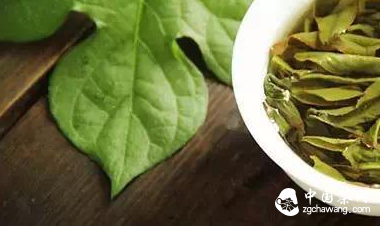
Autumn is cool, with an astringent atmosphere, and the air gradually becomes dry. People feel discomfort from dryness in the skin, nasal cavity, and throat, which is called "autumn dryness." At this time, it is suitable to drink lighter teas, such as Tieguanyin, white tea, raw Pu'er, etc., which have a green and moist color, a rich and fragrant inner quality, and are neither cold nor hot. Drinking them in cool autumn can moisturize the skin, relieve dryness, promote fluid production, moisten the lungs, clear heat, and cool the blood.
Winter is cold, with freezing weather and cold air invading. The body is in a contracted state, metabolism slows down, and it is easy to suffer from "cold diseases." At this time, it is suitable to drink black tea, dark tea, aged white tea, and aged Tieguanyin. These teas have red leaves and red soup, are mellow, dry, and warm, nourish yang energy, increase warmth, and can be consumed with milk or sugar. Their fragrance is not dispersing, and they can also reduce greasiness and soothe the stomach and intestines.
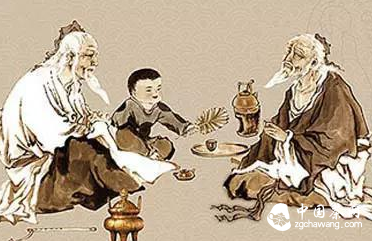
Misconception: "Tea cures all diseases." Some people believe that tea is not only a safe beverage but also a good medicine for treating diseases. However, it is not known that for some patients, drinking tea, especially strong tea, is not advisable. The caffeine in strong tea can cause excitement, insomnia, and increased metabolic rate, which is not conducive to rest; it can also make patients with hypertension, coronary heart disease, kidney disease, etc., have increased heart rate, even arrhythmia, frequent urination, and加重 heart and kidney burden. In addition, caffeine can stimulate gastrointestinal secretion, which is not conducive to the healing of ulcers; while the tannins in tea have an astringent effect, slowing intestinal peristalsis and aggravating constipation.