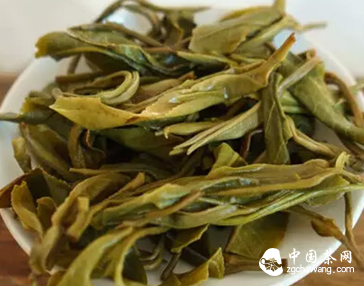
Important Components of Pu-erh Tea: Carbohydrate Compounds

【Carbohydrate Compounds】
Carbohydrate compounds, also known as carbohydrates, are the primary products of plant photosynthesis. Most components in plants are synthesized from them. They serve not only as storage nutrients and structural support in plants but also as precursors to other organic substances.
Tea leaves contain approximately 20-25% carbohydrate compounds, and their content is closely related to tea quality.
Carbohydrate compounds mainly include: monosaccharides, disaccharides, insoluble polysaccharides, and active polysaccharides.
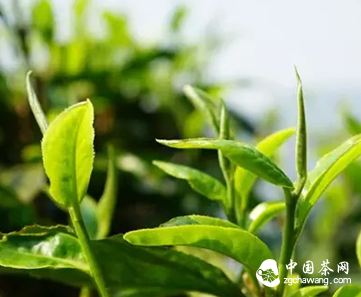
【Insoluble Polysaccharides】
Insoluble polysaccharides consist of: starch, pectin, cellulose, and other components. They are colorless and transparent, accounting for about 15-20% of the dry matter in tea leaves.
1. Starch: A storage substance, difficult to dissolve in water, usually not utilized during brewing, with limited nutritional value. However, during tea processing, enzymatic or hydrothermal action can hydrolyze it into soluble sugars, which contributes to improving the tea's taste, aroma, and liquor color.
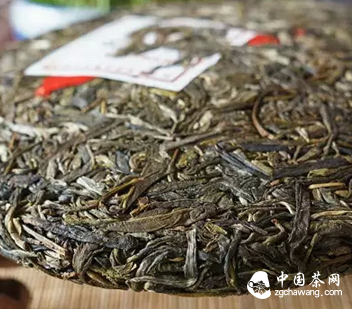
2. Pectin: Divided into pectic acid, pectin, and protopectin. Among them, pectic acid is water-soluble, acidic, and viscous. Water-soluble pectin can enhance the sweetness, fragrance, and thickness of the tea soup. Additionally, due to its viscosity, water-soluble pectin aids in rolling the leaves into strips and gives the tea leaves a glossy appearance. Pectin and starch work together to form the thickness of the tea soup.
3. Cellulose content is an indicator of tea leaf tenderness. Generally, lower cellulose content indicates better tenderness of fresh leaves, making rolling and shaping easier, which facilitates the production of high-quality teas.
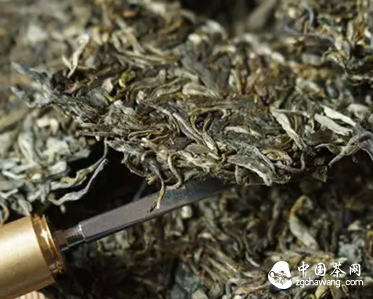
【Taste Attributes of Insoluble Polysaccharides】
The taste attributes of converted polysaccharide substances: sweet and thick. If the content is high, the viscosity is high, and the smoothness is good. The optimal tea soup temperature to experience the sticky, thick, sweet, and smooth characteristics is 40-55°C.
【Active Polysaccharides】
Active polysaccharides mainly refer to tea polysaccharides, accounting for about 2-4% of tea dry matter. Tea polysaccharides are primarily water-soluble polysaccharides.
【Functions of Tea Polysaccharides】
Tea polysaccharides have effects such as lowering blood sugar and enhancing human immunity. Other polysaccharide components in Pu-erh tea require the assistance of external biological enzymes for oxidative decomposition before they can be absorbed by the human body. Therefore, diabetic patients do not need to avoid drinking Pu-erh tea.
【Post-Fermentation Transformation of Polysaccharide Substances】
1. In the early stage of oxidation, Pu-erh tea decomposes polysaccharides into monosaccharides and oligosaccharides. While decomposing proteins, starch, and ash, it also reduces part of the pectin, forming the viscosity of the tea soup (pectin is a metabolite of sugars).
2. The complexes of tea polysaccharides and tea polyphenols slowly transform during conversion to form secondary metabolites, namely alcohol compounds. These compounds, represented by oxidized linalool, further react with various acids to convert into ester compounds, ultimately forming the deep and delicate aroma of Pu-erh tea.
3. Polysaccharide substances are also key to the post-fermentation of Pu-erh tea.
(1) High polysaccharide content in Pu-erh tea results in a good glossy appearance. During the later aging of raw Pu-erh tea, due to the overflow of a large amount of sugar, the tea body appears oily and glossy, which is a manifestation of high sugar content.
(2) After prolonged steeping, Pu-erh tea exhibits a noticeable "sweetness," which is the result of sugar decomposition from cellulose.