In daily life, when friends or colleagues visit, it is customary to brew a cup of tea as a gesture of courtesy, demonstrating friendliness and concern. On a hot day, a sip of tea can not only quench thirst and relieve fatigue but also bridge distances and foster emotional exchange. However, brewing tea is not simply about pouring hot water or casually tossing a few tea leaves into a cup. It involves multiple etiquettes, including how to brew, serve, and receive tea, which reflect a person's character and convey emotional signals between host and guest.
First, let's discuss brewing tea. Choose a clean, transparent cup free of tea stains, impurities, fingerprints, or other residues. The first infusion should be used to rinse the leaves, removing any off-flavors or impurities to preserve the tea's original purity. Use water at the appropriate temperature for brewing, resulting in a clear, transparent tea that is both visually appealing and delicious.
In reality, we sometimes see people brewing tea without care: handling cups without regard, gripping the rim regardless of sweaty hands; some, for convenience, insert all five fingers into the cup, disregarding whether they leave sweat or fingerprints, then toss in tea leaves and pour hot water. Such brewing is unappealing and unlikely to be enjoyed.
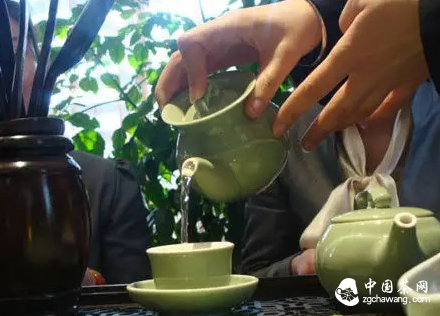
Serving tea. Typically, use both hands to hold the cup, showing sincerity and respect toward the guest. Maintain body coordination, keep both hands balanced, with one hand supporting the base and the other holding the lower half or handle of the cup, avoiding contact with the rim. Using a tray is safer, ensuring stability and making it easier for the guest to take the cup. When serving tea to elders or seniors, hold the cup with both hands and lean forward slightly as a sign of respect. Some serve tea casually, without attention to detail—grabbing the rim with all five fingers or using one hand to pass the cup—which shows insufficient respect for elders or guests.
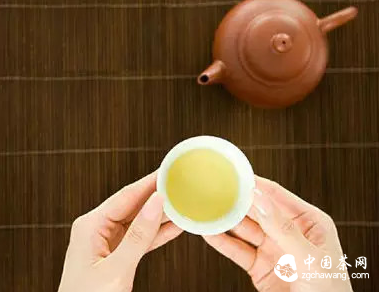
Receiving tea. This reveals a person's character and moral cultivation. In daily interactions, when an elder pours tea for you, you must stand up and receive the cup with both hands to show respect. If you do not drink tea, inform the host in advance to avoid unnecessary trouble, which is also a courtesy. When receiving tea from colleagues or peers, you may use one or both hands, but saying "thank you" is essential.
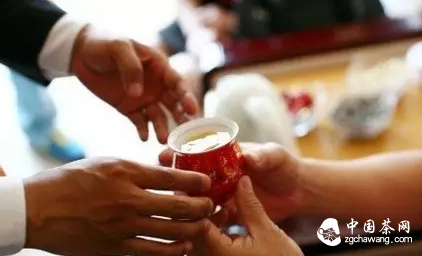
In reality, we also encounter recipients who, due to slightly higher status, show disregard for the server, considering it their due. Some do not extend a hand, remaining rigidly seated; even when the server offers the cup with both hands, they act indifferent, without a word of thanks. In fact, the host's act of serving tea is already a sign of respect. Failing to respond with gratitude and instead reacting coldly is impolite to the server. Even if your attention is momentarily elsewhere, showing acceptance or appreciation prevents hurting the host's feelings and self-esteem.
As the saying goes, "Is it not a joy to have friends come from afar?" Hosting guests with tea requires sincerity and mutual respect. Tea conveys emotions and enhances emotional exchange. Whether brewing, serving, or receiving tea, with sincerity and respect, the tea brewed will be sweeter, more refreshing, and more memorable.