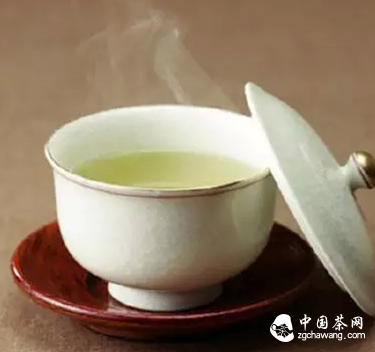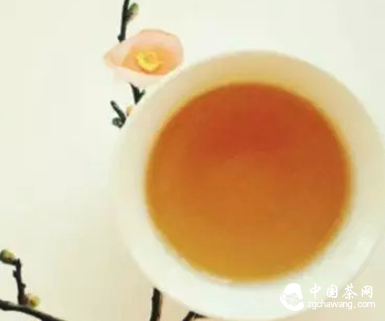
Refined Tea: As the name suggests, it is tea produced through精细加工 based on the initial rough毛茶. After undergoing a series of refining processes, the毛茶's overall quality is improved. Most teas sold on the market essentially require this refining process.
1. Purpose of Refining
The tea refining process is complex and varies depending on the tea type, origin, season, grade, and other factors. It requires considering different technical measures for the毛茶 to harmonize the tea's appearance and internal quality, ultimately achieving the goal of improving tea quality and fully realizing the毛茶's highest economic value.
In summary, tea refining generally has four purposes:
First,淘汰不好的茶条, remove劣质 and杂物, improve purity, and promote整齐形状;
Second,整理各种不同形状, enabling different teas to form various花色, meeting standards;
Third,划分品质等级, classify and blend, ensuring pure quality and clear distinction between good and bad;
Fourth, remove excess moisture,适度干燥, enhance internal quality,使叶质紧缩, and ensure耐久贮藏.
2. Refining Processing Technology
The methods and purposes of refining processing technology are complementary. Moreover, the processing techniques adopted vary depending on the tea type, but总体上加工技术大致可分为筛分切细, winnowing,拣剔, blending, and drying等工序. Meanwhile, modern tea companies increasingly emphasize achieving continuity and automation in the refining process through联装 of refining equipment, thereby further improving product quality and production efficiency.
1. Sifting and Cutting
Sifting and cutting for material separation can be divided into筛分 and切细. Its main purpose is to整饰外形 and分做花色.筛分 mainly includes圆筛 and抖筛.圆筛 involves茶叶在筛面做回旋运动, separating茶叶的长短和大小;抖筛 involves茶叶在筛面上往复抖动, to separate茶叶的长圆和粗细.切细 is mainly because毛茶粗细,弯曲等 cannot pass through the筛孔 of筛分, requiring further processing to make细. Most tea types do not require further切断 and轧细, but some export teas likeQimen Black Tea require further processing to make细, such as分解,折断等工艺. This also explains why QimenBlack Tea appears relatively fine and碎 in appearance.
Taking Qimen Black Tea as an example, traditional Qimen Black Tea refining can be divided into:初抖,分筛,打袋,毛抖,毛撩,净抖,净撩,挫脚,风选,飘筛,撼筛,手拣,拼配,补火,匀堆,装箱,初抖. Among these,初抖,分筛,打袋,毛抖,毛撩,净抖,净撩,挫脚 belong to the筛切取料 step, aiming to整形分级. For example,毛抖 is to separate粗细 according to规格, and毛撩 is to separate长短 according to requirements. Currently, the use of tea sifting machinery in production is becoming increasingly common, such as滚筒园筛机,平面园筛机,旋转振动筛分机, and切茶机等.
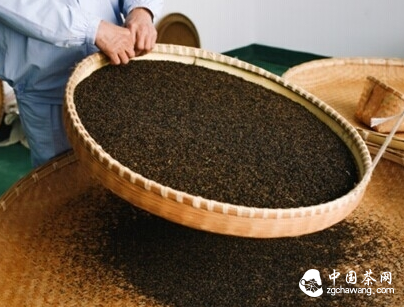
Qimen Black Tea Traditional Refining ——抖筛
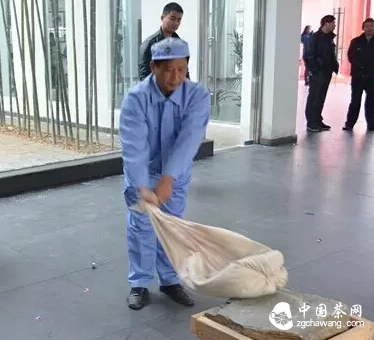
Qimen Black Tea Traditional Refining ——打袋
2. Winnowing
Although筛分,切轧等 can address the issue of tea shaping, it is difficult for筛分 to handle the issue of轻重 for various花色, requiring the辅助处理 of winnowing. During winnowing,茶叶 with heavier身骨 will fall in place. Generally, these have鲜嫩原料, rich化学成分含量, soft叶质, good可塑性, and the成品茶 can be较紧结, with generally superior quality. Conversely, those with lighter身骨 have较差 quality. Winnowing is also the main operation for定型 of various花色. For example,风选 in the Qimen Black Tea refining process has the function of分出轻重 and剔除轻质茶. Currently, common winnowing machines include吸风式 and送风式两种.
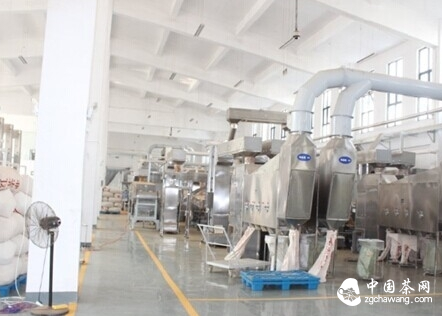
Qimen Black Tea Modern Refining Production Line
3. Sorting
Due to the relatively粗放 nature of tea harvesting and initial processing, the previous refining工序 cannot remove all次质茶 and非茶类夹杂物. The main purpose of拣剔 is to remove粗老畸形的茶条 and非茶类夹杂物 through mechanical or manual methods,整齐形状. For example, in Qimen Black Tea refining,飘筛弥补风选不足,剔出轻质黄片, and撼筛则是弥补风选不足,剔出轻质茶. Additionally, there is手工拣剔 to ensure整齐划一 of tea quality. With the continuous advancement of tea-making technology, tea sorting methods are also shifting from traditional reliance on manual labor to modern equipment. For example, tea color sorters can utilize the color difference between tea stems, yellow leaves, and正品 in tea, using high-definition CCD optical sensors for precise selection of tea. Tea electrostatic stalk sorters use the difference in moisture content between tea leaves and stems. Through the action of electric field force, stems and tea leaves form an angle difference due to differences in吸力, and then achieve separation through分离机构, mainly used to remove茶梗 and黄片等 from tea. In some large production enterprises, such machinery is becoming increasingly common in tea making. For example, Xiangyuan Yiwu Factory has introduced these two types of machinery, which is of great significance for improving tea refining efficiency and enhancing and ensuring product quality.
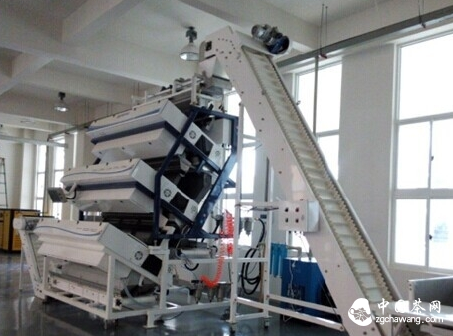
Tea Color Sorter
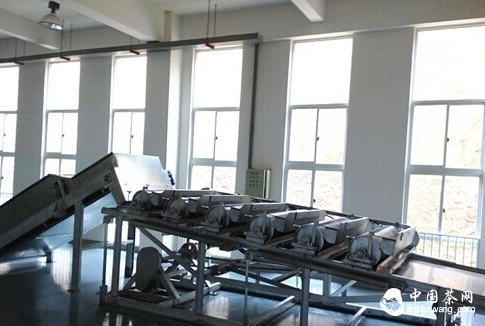
Electrostatic Stalk Sorter
4. Blending
Blending is one of the main technical measures for调剂茶叶品质 and stabilizing茶品质量. It is divided into原料拼配 and毛料拼配.原料拼配 is the blending of different varieties, origins, seasons, and grades before毛茶加工;毛料拼配 is the rational blending of semi-finished products of different grades and筛孔 during refining to组成成品茶. This is a highly technical task, requiring取长补短 among various teas, balancing外形及内质, to achieve the purpose of improving quality. In Qimen Black Tea production, this process is called拼配 or官堆. Xiangyuan Qimen Black Tea's production consultant and非遗技师, the elder闵宣文, is a master of Qimen Black Tea官堆.
5. Re-drying
Re-drying plays an important role in the formation of成品茶内质. Chinese tea masters have always attached great importance to using火工 in tea making. The role of re-drying is not only to evaporate水分 but, more importantly, to调高茶叶的色香味 during this process. For example,拉老火 forLu'an Guapian and辉锅 for眉茶 can adjust the tea's外形色泽, while the drying (补火工艺) of Qimen Black Tea can transform the青气 in红毛茶 into蜜糖香 or甜花香.
In summary, the refining process is a re-processing based on the initial processing. It not only整饰茶叶外形 but also further improves tea quality. Therefore, compared to毛茶, refined tea achieves improvement in overall quality from appearance to internal quality.