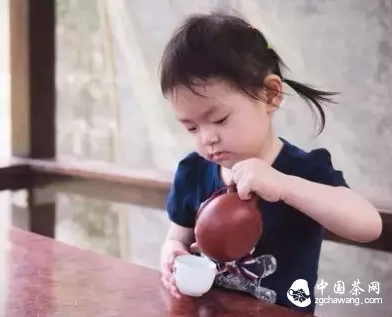
In daily life, we rarely see children drinking tea. Many parents allow their children to drink regular soft drinks and fruit juices but forbid tea, believing it is a beverage for adults. This notion is not entirely scientific. The claim that children cannot drink tea is not comprehensive. Preschool children indeed should not drink tea, but this does not mean all children cannot.
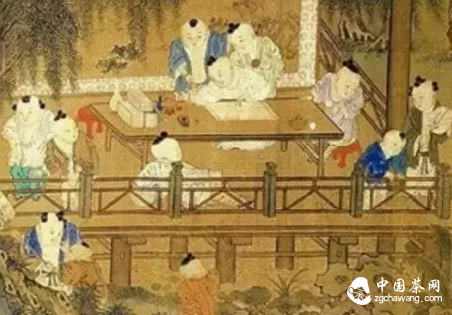
Su Hanchen, a painter from the late Northern Song to early Southern Song dynasty, specialized in painting children. One of his works, "Hundred Children Playing," depicts a large group of children admiring flowers, playing musical instruments, and enjoying themselves while holding small teapots and cups to savor tea. This painting vividly portrays the carefree life of children from official families and also reflects the popularity of tea culture in ancient China, where even children knew how to appreciate tea.
For school-aged children, drinking tea in moderation (please note, it must be moderate) can be beneficial for the following six reasons:
1. Nutritional Supplement
Tea leaves contain various inorganic mineral elements such as phosphorus, potassium, sulfur, magnesium, manganese, fluorine, aluminum, calcium, sodium, iron, copper, zinc, and selenium, as well as organic compounds like proteins, amino acids, lipids, carbohydrates, and vitamins. These can provide most of the nutrients needed for children's growth and development.
2. Increasing Appetite
Due to poor self-control, children are prone to developing bad eating habits such as anorexia, picky eating, refusal to eat, and small appetite. Drinking tea can help digest greasy food, increase gastrointestinal motility, promote the secretion of digestive juices, aid digestion, and enhance appetite.
3. Preventing Obesity
According to relevant surveys, over one-fifth of school-aged children in China's major cities suffer from varying degrees of nutritional excess, leading to many overweight children and cases of hypertension and hyperlipidemia, which affect their physical and mental development. Drinking tea in moderation can reduce greasiness, aid weight loss, and promote a healthy body.
4. Detoxification
In modern life, electronic radiation sources such as televisions, computers, microwaves, mobile phones, and urban environmental pollution can harm children's health. The combined effects of tea polyphenols, lipopolysaccharides, vitamin C, and carotene in tea can help protect against radiation.
5. Disease Prevention
Tea contains higher levels of fluorine compared to other plants. When tea is brewed, about two-thirds of the fluorine dissolves into the tea. Fluorine helps prevent dental caries. Drinking tea can supplement vitamin deficiencies and prevent gum bleeding; the carotene in tea can metabolize into visual purple to protect children's eyesight; tea has the effects of clearing heat and reducing internal heat, helping to prevent constipation in children.
Viewpoint
Children can drink tea, but it should be done appropriately according to the situation. Children under 6 years old are not recommended to drink tea, while children over 6 should have tea selected based on their age, constitution, and season. It is important to ensure the tea is not too strong to avoid issues such as over-excitement, rapid heartbeat, and insomnia.
Therefore, when teenagers and children drink tea appropriately—neither excessively nor too strong—it does not harm their health. Instead, it can provide health benefits.