Tea comes in two forms: the tea of "firewood, rice, oil, salt, sauce, vinegar, and tea," and the tea of "lute, chess, calligraphy, painting, poetry, wine, and tea." Tea can be the timely water when you're dry and thirsty, gulped down in large mouthfuls, focusing on soothing the throat and refreshing the heart, where the aroma and taste matter less. Tea can also be the slow life of savoring and appreciation, sipped in small mouthfuls, enjoying the falling petals in a quiet courtyard, tasting the lightness of clouds and breeze.
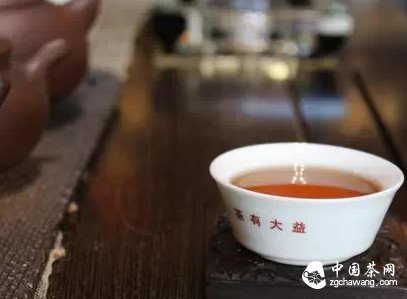
Tea is indispensable in life. When guests visit, brewing a cup of fragrant, strong tea to entertain them leads to joyful conversations between host and guests. In the scorching heat of summer, steeping a large pot of hot tea and drinking several bowls opens all the pores, causing sweat to flow freely and calming the restless fire within.
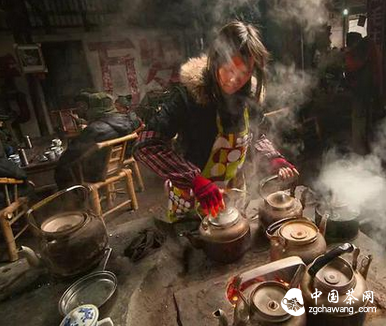
If understanding the origin, historical background, and production process of every tea is what it means to know tea, then long-time tea drinkers may not necessarily know tea. Whether one knows tea or not is unimportant; what matters is drinking tea daily. When tea drinking becomes a habit hard to break, and each day without tea feels like something is missing, then tea has deeply embedded itself into every corner of life, becoming the water of life that flows with time, nourishing our bodies.
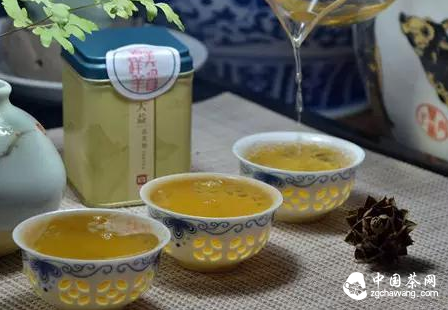
Yet, tea's role in life extends far beyond dietary habits; it is also a carrier of spiritual culture. Tea tasting becomes an internal spiritual activity where tea, water, utensils, setting, artistry, and people are all essential elements. Any slight change in these elements can unpredictably affect the spiritual experience of tea. This is the charm of the tea ceremony—it is a fluid state, and each tea tasting becomes a unique encounter.
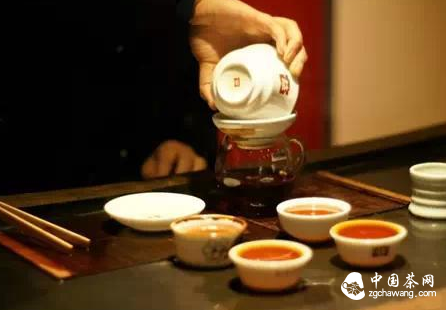
When meeting suitable water, a skilled tea person, and appropriate utensils, tea can bloom into its best state of life.
The tea soup is slightly bitter, with a subtle fragrance spreading, leaving a lingering aroma on the lips and teeth. From a single tea leaf, one can glimpse the scenery of mountains and rivers and the spirit of nature. A cup of tea soup can clear worries and anxieties, restoring peace to the mind. Without the disturbance of music or the burden of official documents, savoring tea with a calm heart allows one to become immersed in it.
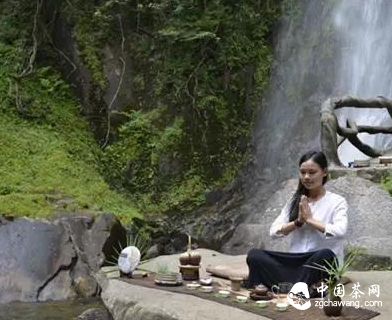
Tea offers numerous insights and revelations, astonishing in its alignment with life. Different seasons or times of the day correspond to different teas, much like the warm or cool moments in life. The difference is that most of life consists of ordinary times, yet when the mind settles, tea always has flavor. Some sigh: drinking tea is not about drinking water, but about tasting flavors; over time, it's not even the flavor of tea being tasted, but the flavors of the heart and life.
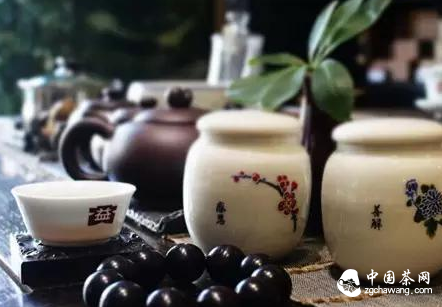
Tea and the Way represent the two aspects of tea in life: tea soup quenches thirst, while the tea ceremony cleanses the heart. Whether for the body or the soul, we need the nourishment of tea. In this bustling world, it helps us maintain a bit of clarity, preserve a carefully guarded purity, and retain a space for self-entertainment and comfort.