In the past, when people mentioned aged tea, the immediate association was Pu'er tea. Over the two decades of Pu'er tea's popularity, it has not only become the hottest star in China's tea industry but also completely颠覆了 the traditional concept of tea valuing "newness as preciousness." The trend of aged tea has spread from Pu'er tea and dark tea to oolong tea, black tea, white tea, and even green tea and yellow tea have started to see aged versions.
The concept of "aged tea," due to its many uncertainties and lack of reference standards, has been destined for "constant controversy" and "a troubled life" since its birth.
The "Advantages" and "Concerns" of Aged Tea
Aged tea is sought after for its unique charm. First, in terms of its inherent tasting value, the aging years, the activity of the dry leaves, and the aged aroma after brewing offer a completely different experience from "new" tea, allowing drinkers to appreciate the art of time沉淀. Second, aged tea possesses收藏 value, opening a new profit point for investors. Furthermore, the aged tea craze has led more and more people to pay attention to, understand, and drink tea, undoubtedly promoting the growth of tea consumption.
"Tea gains more substance over time; age gives it flavor." Many drinkers believe this is the charm of aged tea. However, when it's impossible to scientifically and accurately determine the age of aged tea, when there are no standards to evaluate its quality, and when fake and genuine aged teas are mixed in the market, the troubled fate of aged tea begins. Regardless of the type of tea, once associated with the word "aged," it directly equals "expensive." The道理 is simple: time is priceless. In today's market, aged tea generally relates to only three keywords: "vintage," "price," and "legend." Regarding "vintage," most consumers can only judge from packaging and taste, with very few truly skilled in鉴别 aged tea. Some unscrupulous manufacturers and merchants take advantage of this consumer psychology, deliberately labeling relatively new tea as aged or blending new tea into aged tea to pass it off. Even worse, some employ "wet storage造假" methods, storing raw Pu'er tea in poorly ventilated, high-humidity cellars to accelerate aging due to increased relative air humidity. This method has been successfully replicated for oolong and white teas. Artificially "accelerated aging" results in tea losing its original flavor, leaving only a thin aged taste and fermentation味, which is unpleasant to drink.
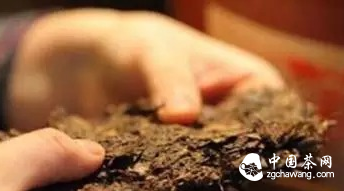
For tea enthusiasts, the emergence of aged tea has shifted focus towards the tea's vintage and price, often高于 the tea's quality itself. There's a tendency to impose elusive concepts like "aged aroma" and "old taste" onto the tea while neglecting its inherent quality. Even teas like green and yellow tea, originally prized for their freshness, now seem to need an "aged" label to gain fame, completely抛弃 the distinct characteristics and charm of China's six major tea categories in favor of a simplistic pursuit of the same tasting standard. While time's沉淀 can indeed give a tea a different风采, isn't the process from嫩芽初萌 to the first brew of new tea around Qingming each year, though not漫长, equally令人期待?
More可怕的是, as more "legends" about aged tea circulate, it is有意无意地标榜 as a traditional culture.翻阅 Chinese tea history, there is no precedent for推崇 drinking aged tea. Tea merchants throughout dynasties emphasized "new tea上市." Aged tea generally only appeared in two situations: leftover tea that couldn't be sold, to be blended with new tea for sale; or dark tea and Pu'er tea supplied to边疆牧民 and藏民 for消食去油腻, which aged due to long journeys and time. Today's全民藏茶 and drinking aged tea phenomenon兴起 with the Pu'er tea craze. A more时尚的说法 calls it "post-modern tea culture." Culture encompasses more than just history, and drinking aged tea不一定非得和文化扯上关系.
Today's Good Tea is Tomorrow's Aged Tea
Whether aged tea is a昙花一现 due to commercial hype or will天长日久 due to consumer demand, its value must be based on it being good tea in the first place. Only today's good tea can potentially become真正的 aged tea in the future.
Good Ecology. "Without good ecology, you cannot grow good tea." Good tea first comes from good regions—scenic,云深雾绕,远离污染. The growing environment for good tea has certain生态标准, like altitude, temperature, and air. Relatively high altitude provides optimal climatic conditions for tea growth. High altitude means低气压,稀薄空气, strong蒸腾作用, enhancing tea metabolism and producing richer芳香物质. Tea leaves from regions still constantly开荒僻壤,破坏环境, planting茶树 everywhere,一味追求 large面积 and high产量 as industrial development方向, can only沦为原料 for various明星茶品. What value do they have?
Good Craftsmanship. As the古云 says, "Picked at the right time, made with precision." The standards for tea leaf maturity, the timing of picking, and the茶匠's use of the most suitable processing methods for the tea's nature are key to whether tea becomes good. The myriad processing techniques aim to改良 the tea's苦、麻、涩、酸、辣等不良口感, using the "most appropriate"工艺 to maximize preservation of the tea's natural aroma, color, shape, and弥补口味缺憾, while also seeking a new配置平衡 between taste, effective components, and future time. Take岩茶 for example. If the做青 process is insufficient during制作 or the火功不足, the tea will返青 or变味 within a year or two. Can such tea still have陈放价值?
Therefore, not all teas are suitable for storage. Some are best drunk当下, while others are suitable for存放几年再喝.
Good Quality. Tea suitable for aging into老茶 must have excellent initial quality. Otherwise, decades later, its performance in color, aroma, taste, and shape will be极为逊色. A tea that originally had weak aroma, thin茶味, no回甘, and no起伏变化 in aroma and taste over several brews, even if properly陈放 for fifty years, will still taste the same. It won't develop品饮感受 like香扬水活,醇厚滋味, or rich层次感 in aroma and taste.
Also, not all high-quality tea is suitable for aging into老茶. The quality特色 of green tea lies in its richness in氨基酸,维生素,芳香类物质. Without microbial participation in后期转化, the longer it ages, the fewer its活性物质 become. The活性物质 in black tea are already完全被氧化, leaving微生物几无物质可转化, so陈年亦无益.
Good Storage. Aged tea storage has strict温湿度标准 and卫生条件. Tea easily absorbs odors. If the storage place has异味, they will钻入 the tea, resulting in杂味 when brewed. Poor温湿度 control can lead to霉斑,馊味 appearing on the aged tea, making one不敢下手泡. China is vast. The温差 between north and south and海拔差异 between east and west directly affect tea storage outcomes. Instead of spending大量时间,精力,金钱 on如何辨别老茶 and repeatedly "交学费," it's better to start now存些可以放心的老茶 for oneself ten or twenty years later.
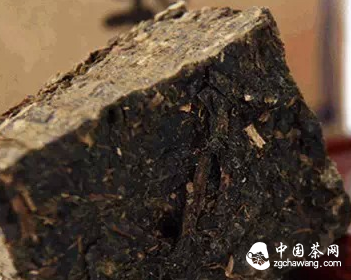
Good Market. The frequent炒作 of aged tea reflects consumers' lack of理性消费 and the国人心理 of "逢涨必买." No matter how expensive, tea's ultimate purpose is to be "drunk." Many of the收藏理念 with their条条框框 are未必合理, even商业炒作的噱头. If the market releases certain需求信号, some varieties will naturally热起来, but未必符合口感的标准.真正的老茶 is注定稀有且价格高昂, so it can only be a消费品 for少数人. Ordinary consumers无需跟风炒作. Only良性行业发展 and理性的消费理念 can prevent "aged tea" from becoming a昙花一现的牺牲品 in the marketplace.
The Aged Tea Craze: A Historical Accident and Inevitability
With社会的发展,物质的丰富,市场的变换, our perceptions are很难不被 this纷乱复杂的世界所影响. Maintaining自我丰富的感官知觉与理性思考判断 is多么难得. Aged tea is not necessarily good, and good tea does not necessarily have to be aged. Only today's good tea can become tomorrow's真正的老茶.