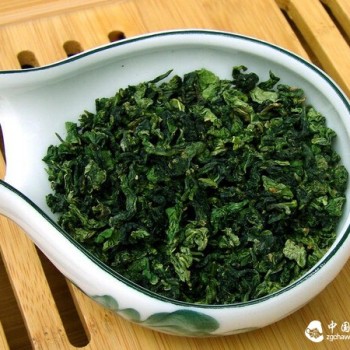
6 Tips to Identify Premium Tieguanyin Tea
Tieguanyin has always been widely popular, but identifying premium Tieguanyin is a profound skill. Experts can easily distinguish it, while beginners can evaluate the tea by observing its shape, listening to its sound, inspecting its color, smelling its aroma, and tasting its essence. This article t...
Tea News · May 28, 2026
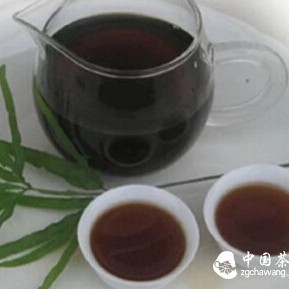
Five Tips for Identifying High-Quality Dark Tea
Dark tea has antioxidant, anticancer, and blood sugar-lowering effects. But do you know how to select high-quality dark tea? There are five key techniques for identifying dark tea: observing its appearance, examining the tea liquor, smelling its aroma, tasting its flavor, and checking the brewed lea...
Tea News · May 19, 2026
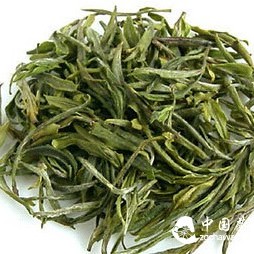
What is Yuqian Tea? Detailed Explanation of the Efficacy and Characteristics of Yuqian Tea
Yuqian Tea refers to tea leaves harvested before the Grain Rain solar term (around April 5th to 20th . While not as tender as Mingqian Tea (harvested before Qingming , the warmer pre-Grain Rain climate allows faster growth, resulting in leaves richer in internal compounds. This makes Yuqian Tea nota...
Tea News · Apr 22, 2026
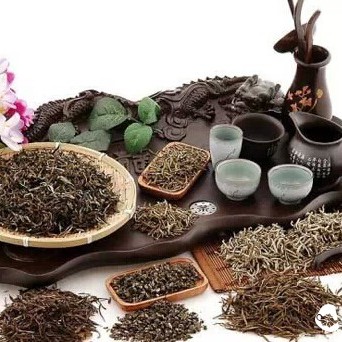
Can the Fuzz on Tea Leaves Be Drunk?
The fine hairs, or 'tea fuzz,' found on many tea leaves, especially young buds, are a natural feature often associated with quality. These hairs, rich in amino acids and aromatic compounds, contribute positively to the tea's appearance, aroma, and taste. In green teas like Biluochun, they appear whi...
Tea News · Apr 16, 2026
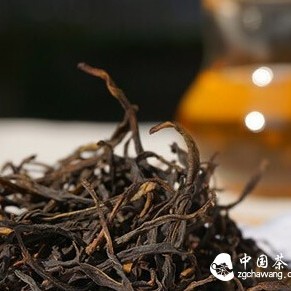
Is the Difference Between New Tea and Old Tea Just a Matter of Time?
The distinction between new tea and old tea is relative. Generally, tea processed from the first few batches of fresh leaves picked in spring of the current year is called new tea, though sometimes any tea produced in the current year is considered new. Tea processed in previous years or older, even...
Tea News · Mar 25, 2026
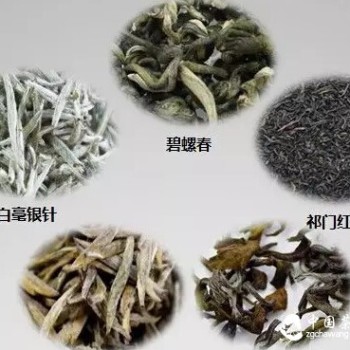
The Relationship Between Tea Fuzz and Quality
Tea fuzz, the fine hairs on tea leaves, plays a significant role in determining tea quality. Originating from the tender buds and young leaves of the tea plant, these hairs contribute to the appearance, aroma, and taste of the final product. For many premium teas, such as Biluochun, Silver Needle, a...
Tea News · Mar 17, 2026
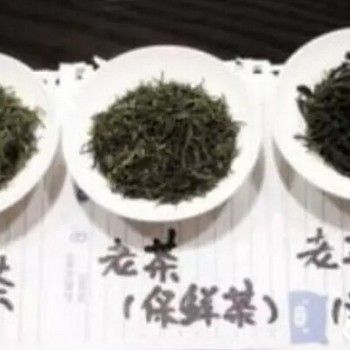
Which is Better: New Tea or Aged Tea?
The debate between new tea and aged tea centers on personal preference and the type of tea. New tea, typically from the current year's harvest, is prized for its freshness. However, certain varieties like Wuyi Rock Tea, Fu Brick Tea, and Pu'er actually improve with proper aging, developing richer, s...
Tea News · Mar 12, 2026
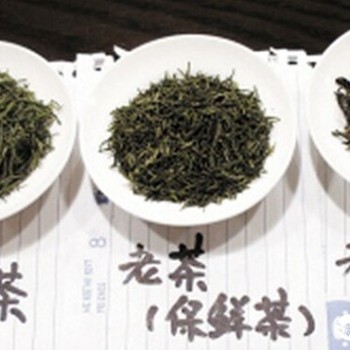
Color, Aroma, Taste: Three Techniques to Teach You How to Distinguish New Tea from Old Tea
This article provides a comprehensive guide on distinguishing new tea from old (or stored tea using three key sensory evaluations: color, aroma, and taste. It explains that while new tea is generally preferred for its freshness, certain types like some oolongs, dark teas, and Pu-erh can improve wit...
Tea News · Mar 01, 2026
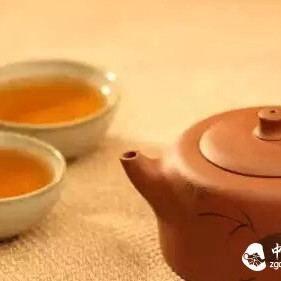
What Kind of Tea Can Be Considered Good Tea?
Good tea is defined by a combination of objective qualities and subjective enjoyment. Key objective standards include a clear, bright liquor regardless of its color, indicating proper processing and storage. While bitterness and astringency are inherent to tea, they should dissipate quickly on the p...
Tea News · Feb 17, 2026
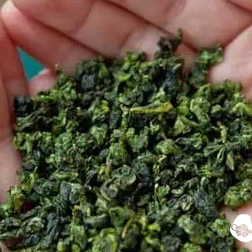
When Choosing Anxi Tieguanyin Spring Tea, Be Sure to Avoid These Seven Misconceptions
With the fresh arrival of Anxi Tieguanyin spring tea, a top ten famous tea in China, many tea enthusiasts face common pitfalls in selection. This article highlights seven key misconceptions to avoid. It clarifies that earlier harvest isn't always better for Tieguanyin, cautions against overly fresh...
Tea News · Feb 15, 2026