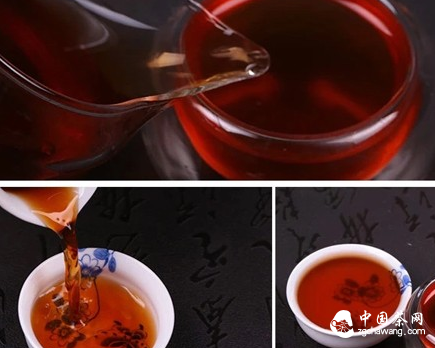
Pu-erh tea is a variable tea, and the people who drink it as well as the environment in which it is consumed are equally variable. Therefore, when considering the influence of seasonal changes on Pu-erh tea products, we must examine two aspects: the season in which the Pu-erh tea is produced, and the season in which it is consumed.
The production of Pu-erh tea is divided into raw material processing and finished product processing. In actual Pu-erh tea production, work continues throughout all four seasons: spring, summer, autumn, and winter.
Spring, Summer, and Autumn: Most attention is focused on the processing of raw materials. Many often overlook the passive processing that occurs after the maocha (rough tea) is made, which is commonly called "sweating." The active process involves blending—combining maocha from spring, summer, and autumn in certain proportions, then pressing it into tea products (cakes, bricks, tuos, etc.) during winter. This production method is no longer commonly used today; instead, tea raw materials from each season are typically made into products and sold within that same season.
Compared to past finished product processing, today's finished product processing takes much less time—as short as three days from fresh leaf picking to drying into maocha. Nowadays, maocha itself is also considered a type of finished product.
In the current context, if raw materials from each season are processed separately, they will only exhibit two outcomes after five years: one that tastes good and one that does not. Reflecting on these outcomes, we find that the influence of seasons on tea products only becomes apparent when considering the season in which the Pu-erh tea is consumed.
Spring: Winter has just passed, and the season remains relatively dry. Tea products do not change much during this season, so the tea consumed should be light; drinking strong tea may feel drying. On sunny days, drinking ripe (shu) Pu-erh can make the body feel hot, and tea products made from even the best raw materials this season may have slight imperfections.
Summer: The weather is hotter than in spring. At this time, the tea consumed should be stronger, as the hot weather leads to greater loss of energy and moisture from the body. Tea products change more rapidly in this season, and the taste can vary significantly depending on the environment, location, and mood.
Autumn: This season also greatly influences the transformation of Pu-erh tea, with changes occurring faster than in spring and summer. Thus, drinking ripe (shu) Pu-erh is most suitable. As the weather gradually turns colder, the aroma of raw (sheng) tea may not fully emerge in the cold air.
Winter: Tea drinking in this season is almost entirely about atmosphere. The cold weather and social gatherings with family and friends require conversation, and tea drinking here is about the ambiance.
There is nothing wrong with discussing the flavor of Pu-erh raw materials from each season, especially for raw (sheng) tea. However, from the perspective of the entire production process today, it seems that for ripe (shu) Pu-erh production, seasons have little impact on the tea products.