The Largest Sect in the Tea World - Wuyi Rock Tea
Sect Name:
Wuyi Rock Tea
Territory:
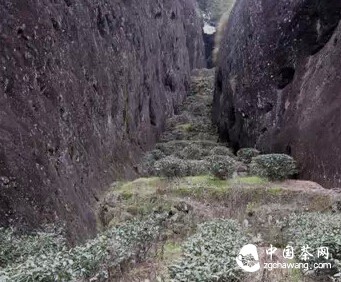
The "Most Beautiful in Southeast China" Wuyi Mountain is divided into the Famous Rock production area and the Dan Rock production area for Wuyi Rock Tea. The Famous Rock area is within the scenic range of Wuyi Mountain City, bounded by Chongyang Stream to the east, Nanxing Highway to the south, Gaoxing Highway to the west, and Huangbai Stream to the north. The Dan Rock area includes all other regions within the designated origin area of Wuyi Rock Tea besides the Famous Rock area.
Current Sect Leader:
Niulankeng Rougui (Cinnamon)
Rougui is one of the famous varieties of Wuyi Rock Tea, also known as Yugui. It was originally one of the famous Wuyi tea bushes and had already gained fame during the Qing Dynasty. Besides possessing the characteristic taste of rock tea, Rougui is particularly welcomed for its sharp, high, and lasting aroma. Currently, Niulankeng Rougui is the most important variety of Wuyi Rock Tea.
Four Elders:
Dahongpao (Big Red Robe)
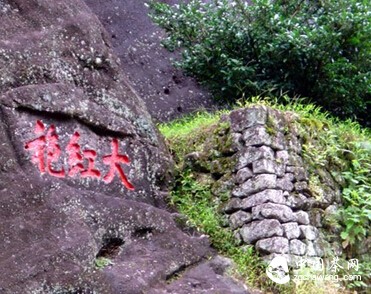
A marvel among Chinese teas, famously known as the "Number One Scholar of Tea" and the king of rock teas. Only four original bushes remain on the steep cliff of Jiulongke (Nine Dragon Nest), planted in stone-walled terraces on the mountainside. Nourished by spring water seeping from rock crevices and without fertilization, they grow luxuriantly and are already a thousand years old.
Tie Luohan (Iron Arhat)
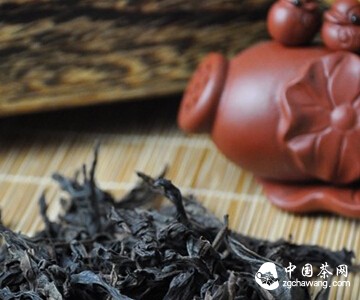
Originally produced in the Neigui Cave (also called Fengke Pit) of Huiyuan Rock. The Tie Luohan trees are planted in a narrow strip beside a small stream, flanked by steep cliffs (there are trees of equal fame in Zhuke Rock's Changke). It is said that the name Tie Luohan existed as early as the Song Dynasty, making it one of the earliest famous Wuyi bushes.
Bai Jiguan (White Cockscomb)
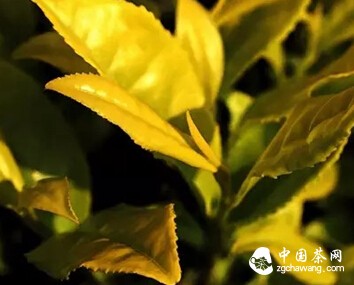
The tea bushes located at the Waigui Cave below Huoyan Peak of Huiyuan Rock and behind the Wuyi Mountain Ancestral Temple have unique buds and leaves. The leaf color is pale green, white-tinged, with buds that are curved and downy. Their shape resembles the cockscomb on a white silkie chicken, hence the name Bai Jiguan.
Shui Jin Gui (Golden Water Turtle)
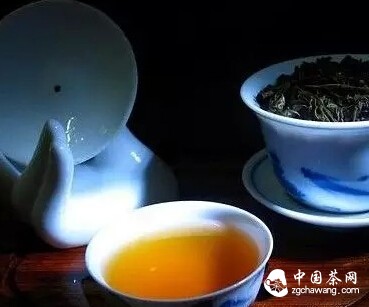
Produced on the halfway cliff below Gezhai Peak in the Niulankeng area of the Wuyi Mountains. It gets its name because the dense, glossy leaves resemble a golden turtle. The plucked leaves are mainly two or three leaves, with a color green tinged with red. The taste is sweet, the aroma is high and pronounced, and even when brewed strong, no bitterness or astringency is apparent.
Five Guardians:
Qilan
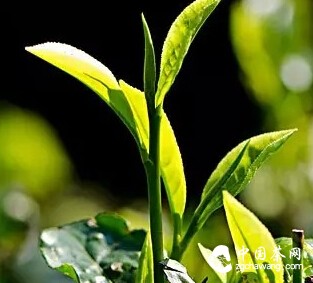
Wuyi Qilan was introduced from Pinghe, Minnan in the 1990s. After over a decade of adaptation, it has integrated into the Wuyi Mountain tea varieties. Processed according to Wuyi Rock Tea techniques, it has become today's Wuyi Qilan.
Shuixian (Narcissus)
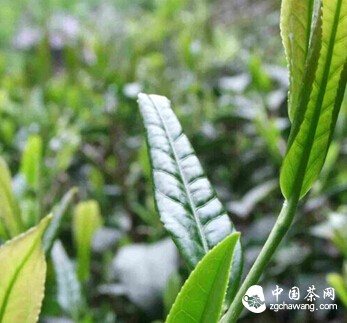
A premium rock tea. Although not as famous as Dahongpao, it is also a fine oolong tea. It has now become the main variety of North Fujian oolong tea, exported to Southeast Asia, and won a gold medal at the 1915 Panama International Exposition.
Que She (Sparrow Tongue)
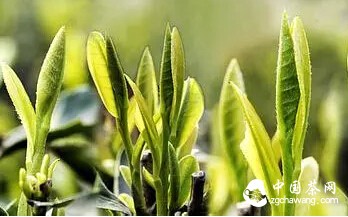
An ancient famous tea of Wuyi Mountain, named for its small, sparrow-tongue-like shape. Its aroma is extremely unique and rich. It was considered a top-grade tribute tea in ancient times. Research suggests its mother tree originally came from Jiulongke. It was selectively bred in the early 1980s from the sexual progeny of the first Dahongpao mother bush.
Bantianyao (Halfway to the Sky)
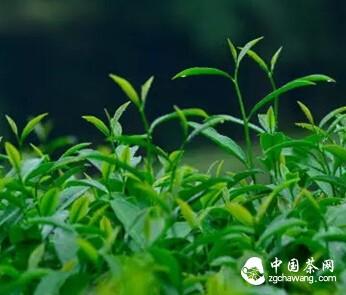
Also called Bantianyao. Originally produced halfway up Sanhua Peak in Jiulongke. Originally named Bantianyao (Halfway Kite), its name dates back to the Ming Dynasty Yongle period. The leaves are elliptical, dark green and glossy, with shallow serrations. The finished tea has a rich, high, and long-lasting aroma with a sweet and mellow taste.
Huang Guanyin (Yellow Guanyin)
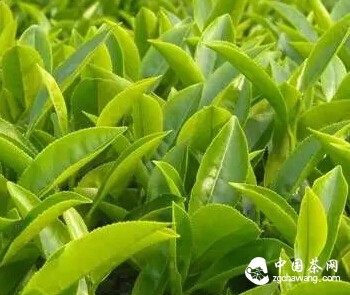
Huang Guanyin is a clonal new variety bred by the Tea Research Institute of the Fujian Academy of Agricultural Sciences from the artificial hybrid progeny of Tieguanyin and Huangdan. It is a small arbor type. The dry leaves are yellowish-brown and glossy. The aroma is rich and fragrant, possessing the "sky-piercing fragrance" characteristic of Huangjingui (Golden Osmanthus). The taste is mellow, sweet, and refreshing.
Unique Secret Techniques (Characteristics):

Fragrance. The fragrance of Wuyi tea includes true fragrance, orchid fragrance, clear fragrance, and pure fragrance. Uniform inside and out is called pure fragrance; neither raw nor over-fired is called clear fragrance; perfectly even firing is called orchid fragrance; possessing spirit before the rain (i.e., high quality) is called true fragrance. These four fragrances blend wonderfully, making the tea aroma pure, sharp, elegant, refined, high, and lasting.
Clarity. Refers to a clear, bright, and beautiful liquor color; a pure, smooth, and palatable tea taste; a clean, sweet, and lasting aftertaste; and a pure tea fragrance without any off-odors. A tea that is fragrant but not clear is considered ordinary among Wuyi Rock Teas.
Sweetness. Refers to a fresh, mellow, and delicious tea liquor with a thick, full-bodied taste and a pleasant, lingering sweet aftertaste. A tea that is fragrant but not sweet is called a "bitter tea".
Liveliness. Refers to the unique spiritual sensation experienced when savoring Wuyi Rock Tea. This sensation must be discerned from the "root of the tongue" when "sipping the essence," paying attention to the "thick rhyme," "aftertaste in the mouth," and "aroma lingering in the cup."
Sacred Sites of the Sect:
Niulankeng (Ox Pen Pit)
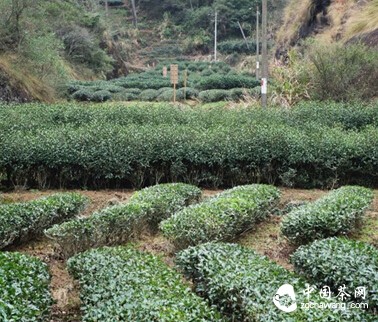
Huiyuankeng (Wisdom Garden Pit)
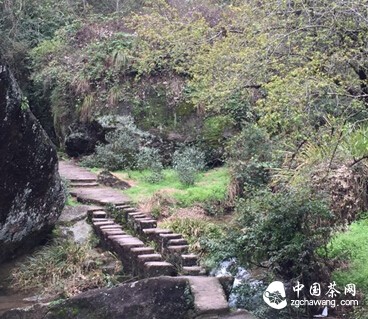
Daoshuikeng (Inverted Water Pit)
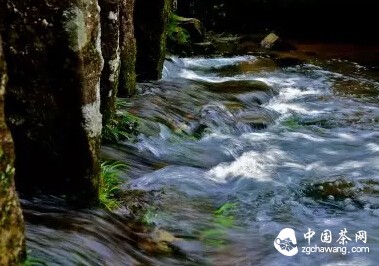
Liuxiangjian (Fragrance Retaining Stream)
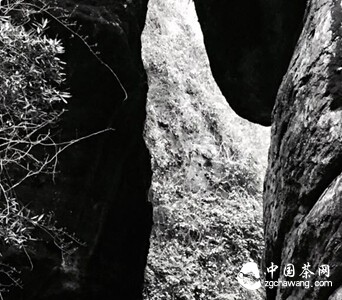
Wuyuanjian (Enlightenment Source Stream)