For a teapot made from good clay material, three indicators should be considered: First, whether the "water sheen" is good—that is, visually, whether the color and luster of the teapot look comfortable. Zisha teapots do not pursue a metallic shine or the sparkling brilliance of gemstones; their glow is introverted,含蓄, and somewhat subdued. Its luster appears soft and pleasant, which is what insiders refer to as whether the "water sheen" is good. Teapots made from fine clay will have a very comfortable water sheen. Even for teapots made from sand-mixed clay, one can still see whether the sand is evenly distributed. The overall harmony, fineness, inner radiance, and smooth, exquisite touch provide an excellent手感.
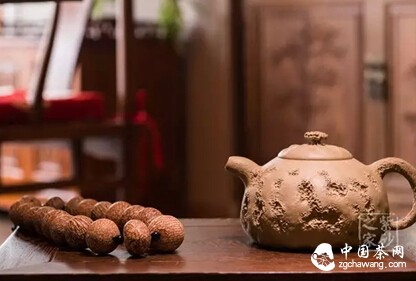
Second, whether the breathability is good. The great reputation of Zisha teapots stems from their difference from other porcelain or glass teapots—Zisha is breathable. It is透气而不漏, which is a characteristic of Zisha. As mentioned earlier, a good Zisha teapot can brew tea in the hottest weather and leave it overnight without turning sour, precisely because Zisha is breathable. There is also a simple experiment for Zisha's breathability: pour water over the entire Zisha teapot, and its surface will dry quickly. It won't have the issue of water vapor附着 on glass cups that makes them hard to wipe dry, because Zisha has a double-pore structure. Therefore, in Yixing, many households use lower-grade Zisha clay to make flower pots. When we were young, there were also many exquisite miniature盆景 flower pots made from Yixing Zisha.
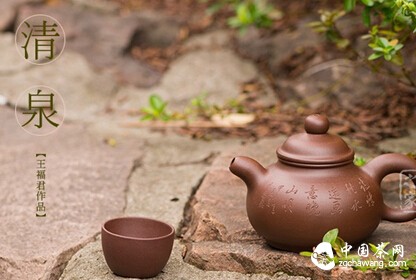
Third is transformability, which is what people call "pot cultivation." A good Zisha teapot undergoes significant changes before use and after a period of use—its color becomes more lustrous, and its texture becomes smoother. A "well-cultivated" Zisha teapot and one that has never been used can be distinguished at a glance, without needing close inspection. This is also the乐趣 of playing with Zisha teapots.