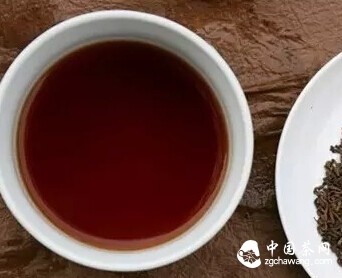
High-quality Pu-erh tea must provide an excellent experience in appearance, liquor color, and taste. So, what are the indicators of high-quality Pu-erh tea? Rainbow Yunnan introduces the evaluation indicators for premium Pu-erh tea.
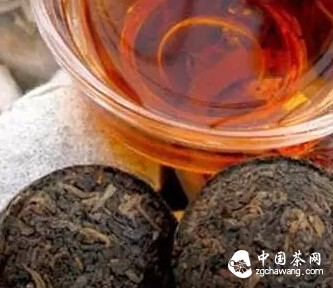
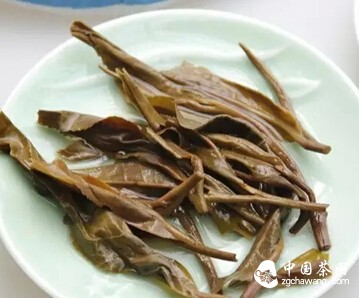
1. Excellent Color: Mainly observe the depth and brightness of the liquor. High-quality Yunnan loose-leaf Pu-erh tea yields a reddish, bright, and clear liquor with a "golden ring" and an oily film on the surface. The brewed leaves of ripe Pu-erh appear reddish-brown. Inferior quality tea liquor is reddish but not rich, lacking brightness, often with suspended dust-like particles, and may even appear black or dark, commonly called "soy sauce soup." High-quality raw Pu-erh has an orange-yellow, clear, and transparent color, as if coated with an oily film, and its color remains stable even after prolonged steeping.
2. Excellent Aroma: Mainly assessed through hot and cold sniffing, using the same method as for loose-leaf Pu-erh. High-quality Yunnan loose-leaf Pu-erh dry tea exhibits aged fragrance (sometimes with notes of dried mushroom, herbal, dried longan, dried mildew, or camphor). High-quality tea has a strong, pure aroma when hot sniffed, and a long-lasting, sweet, and refreshing fragrance when cold sniffed. Inferior tea has a low aroma, sometimes mixed with sour, stale, metallic, or other off-odors, or even "moldy" or "rotten" smells.
3. Excellent Taste: Mainly perceived through smoothness, sweet aftertaste, and throat-moistening sensation. High-quality tea offers a rich, mellow, smooth, throat-moistening, and sweet aftertaste, with salivation at the base of the tongue. It is refreshingly smooth, mellow, sweet, and salivation-inducing, with ever-changing nuances.
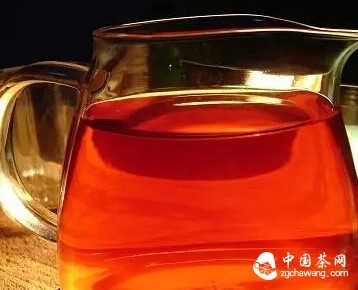
4. Excellent Throat Sensation: Assessed through smoothness, sweet aftertaste, and throat-moistening feel. High-quality tea has a rich, mellow, smooth, throat-moistening, and sweet aftertaste, with salivation at the base of the tongue. Inferior tea tastes flat, not smooth, lacks sweet aftertaste, causes discomfort on both sides of the tongue base, and may even produce an "astringent" or "numbing" sensation.
5. Excellent Qi (Energy): The tea has a strong, pure, and unique aged fragrance, with a long-lasting aroma and robust tea energy. Mainly assessed through hot and cold sniffing, using the same method as for loose-leaf Pu-erh. High-quality tea has a strong, pure aroma when hot sniffed and a long-lasting, sweet, and refreshing fragrance when cold sniffed. Poor-quality Pu-erh lacks these characteristics.
6. Excellent Quality (Material): Good raw material is the primary fundamental element for any high-quality tea. The raw material for premium Pu-erh must first be Yunnan large-leaf tea, and preferably from traditional Pu-erh production areas (i.e., Simao City, Xishuangbanna Prefecture, Lincang City in Yunnan). Here, we advocate three principles for good tea: raw materials from the place of origin processed locally. Raw materials are further distinguished by ancient tree tea, terrace tea, spring tea, and autumn tea. Different regions have distinct characteristics due to variations in climate, soil, and vegetation. For example, teas from Yiwu in Xishuangbanna, Brown Mountain in Menghai, and Jingmai Mountain in Lancang, Simao, are considered top-grade Pu-erh teas, each with its own鲜明特点.
7. Excellent Form: First, observe the strip shape of the tea leaves—whether they are完整, tight, and clear. Older leaves are larger, tender leaves are finer. Smell the dry tea while observing its color and cleanliness. There should be no异or杂odors. The color should be brownish or reddish-brown (liver color), with an oily luster, reddish tinge in the brown (commonly called red-ripe), strips should be stout, and broken tea should be minimal. Inferior tea may have only a slight aged fragrance or just an aged smell, or even sour, stale, or other off-odors. Strips are thin, tight, and incomplete, with a dark brown, dull, and lusterless color. Raw Pu-erh should have an even appearance, tightly knit strips, a greenish-brown or brown color, and an oily sheen. Tapping the tea cake lightly should produce a crisp sound. Ripe Pu-erh should have an even appearance, tightly knit and clear strips, a reddish-brown color, and an oily sheen. Evaluation Indicators of High-Quality Pu-erh Tea
Judge by smoothness, sweet aftertaste, and throat-moistening sensation. High-quality tea offers a rich, mellow, smooth, throat-moistening, and sweet aftertaste, with salivation at the base of the tongue. Inferior tea tastes flat, not smooth, lacks sweet aftertaste, causes discomfort on both sides of the tongue base, and may even produce an astringent or numbing sensation.
These seven are the indicators of high-quality Pu-erh tea. The表现of high-quality Pu-erh tea indicators are quality, form, color, aroma, taste, energy (qi), and sensation (yun).