Green Tea Overview
Green tea refers to tea made from freshly picked leaves that undergo processes such as deactivation, rolling, and drying without fermentation. The deactivation step reduces enzyme activity and halts the oxidation of tea polyphenols, preserving the natural green color of the leaves and resulting in a clear, greenish infusion.
Among Chinese tea varieties, green tea has the most types and the longest history, with cultivation spanning many provinces. For modern urban lifestyles, green tea is believed to offer benefits such as cancer prevention and radiation resistance, and may help reduce harm caused by nicotine in cigarettes.
Depending on the deactivation method, green tea is further categorized into stir-fried green tea, baked green tea, sun-dried green tea, and steamed green tea.
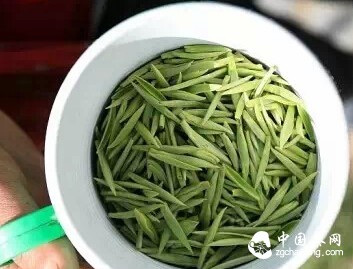
Drinking Green Tea
Green tea is the most diverse and widely consumed category in China, with many famous varieties such as West Lake Longjing, Dongting Biluochun, Huangshan Maofeng, Mabian Yunwu, Xinyang Maojian, Liuan Guapian, and Enshi Yulu. Generally, anyone in good health can drink green tea, and summer is the most suitable season for its consumption. While green tea offers numerous benefits like refreshing the mind and potentially combating radiation and cancer, it is important to remember that no health product suits everyone. Green tea is no exception:
Green tea contains tannic acid, which can bind with iron molecules in food to form precipitates, hindering intestinal absorption of iron.
It is not advisable to drink green tea immediately after meals. Children, due to their growth needs and higher iron requirements, should be particularly cautious.
Women during menstruation and individuals with iron-deficiency anemia should also avoid drinking green tea.
Due to its richness in tea polyphenols and theophylline, green tea can irritate the stomach lining. Thus, it should not be consumed on an empty stomach or by individuals with chronic stomach issues.
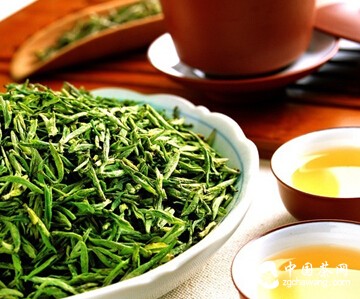
It is best not to take medication with green tea. Although scientific analysis suggests that only a few drugs interact with green tea, it is safer for the general public to avoid doing so unless fully informed.
Avoid drinking green tea after alcohol consumption. Green tea does not sober you up; instead, it may combine with alcohol to overstimulate the nerves and heart, potentially leading to severe outcomes, including sudden death in extreme cases.
Green tea can rapidly lower blood sugar levels in a short time, so individuals with hypoglycemia should consume it cautiously.
Green tea should not be consumed in strong concentrations. While dozens of reasons could be listed, this is especially important for elderly individuals, who should avoid strong green tea altogether. If you have elderly family members, advise them against it! Strong green tea is particularly unsuitable shortly after meals.
Remember, tea is not a miracle cure for all ailments. Drinking tea should not be approached uniformly; it requires mindful and informed consumption.