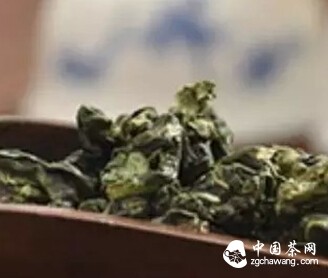
1. Observe the Appearance
Oolong tea from southern and northern Fujian has different shapes: southern Fujian tea is curled, while northern Fujian tea is straight-striped, both with a glossy finish. Tea that appears coarse, loose, dull, or discolored is of lower quality or aged. Also, check for uniformity, cleanliness, and absence of impurities like stems, flakes, or debris. Heft the tea in your hand—heavier tea is generally better.
2. Smell the Aroma and Taste the Flavor
After inspecting the appearance, brew the tea to evaluate its aroma and taste. Assess whether the floral scent is pure and identify the aroma type. Determine if the fragrance is strong or faint, and whether it carries fermentation notes. Choose a scent that appeals to you. When tasting, note the intensity and any distinctive character. The tea should not have bitter, astringent, sour, stale, smoky, or other off-flavors. Each Fujian Oolong variety has a unique taste—select one that suits your palate.
3. Examine the Tea Soup
The tea soup should be golden or orange-yellow, clear and transparent, not cloudy or dark, and free of sediment. High-quality tea retains its color even after three or four infusions.
4. Inspect the Tea Residue (Brewed Leaves)
After drinking, examine the brewed leaves at the bottom of the cup. They should lie flat, have a glossy appearance, and show reddish edges or spots. Gently squeeze the leaves; they should feel soft, thick, and not prickly, indicating good raw material and proper processing.
5. Assess the Roasting Notes
Fujian Oolong tea is often described as "northern water, southern fragrance," meaning northern Fujian teas blend aroma into the soup, while southern Fujian teas release fragrance immediately upon opening the lid. When selecting, avoid teas with strong, old, heated, or burnt fire notes—these indicate improper roasting.
6. Consider Cost-Effectiveness
If several teas suit your taste and are similarly priced, choose the one that best matches your preference and withstands multiple infusions.